
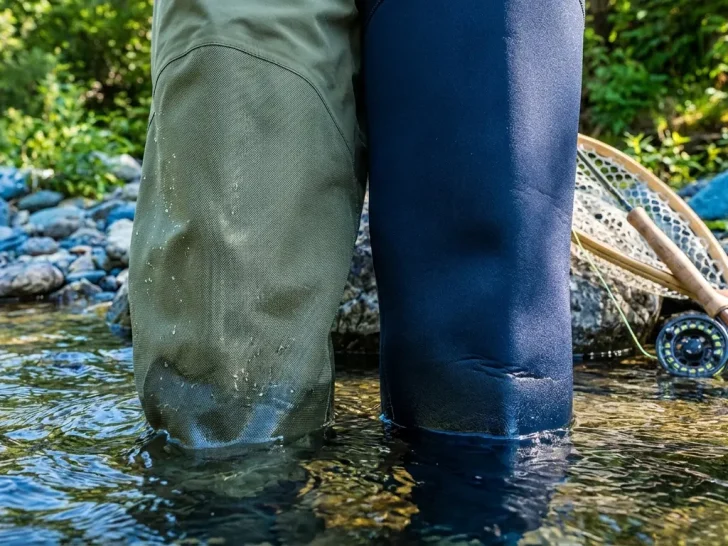
Nothing ruins a day on the water faster than the cold, damp sensation of a leaking seam. Your choice of durable waders determines whether you stay focused on the catch or are distracted by physical discomfort. Finding the best waders for fishing requires an honest assessment of your specific environment and angling style.
The market for chest waders is flooded with options ranging from heavy neoprene fishing waders to featherlight breathable fishing waders. Anglers often struggle to balance durability with comfort, leading to regrettable purchases that fail after a single season. You need fishing gear that withstands briars, gravel, and freezing currents while keeping you dry.
We will examine the critical factors that separate professional-grade waterproof fishing gear from bargain bin failures. This guide breaks down material science, construction methods, and fit requirements to help you make an educated investment. The goal is to keep you dry, safe, and effective on the water for years to come.
Best Waders for Fishing: Breathable vs. Neoprene
The primary decision every angler must face involves selecting the right fabric technology for their climate.
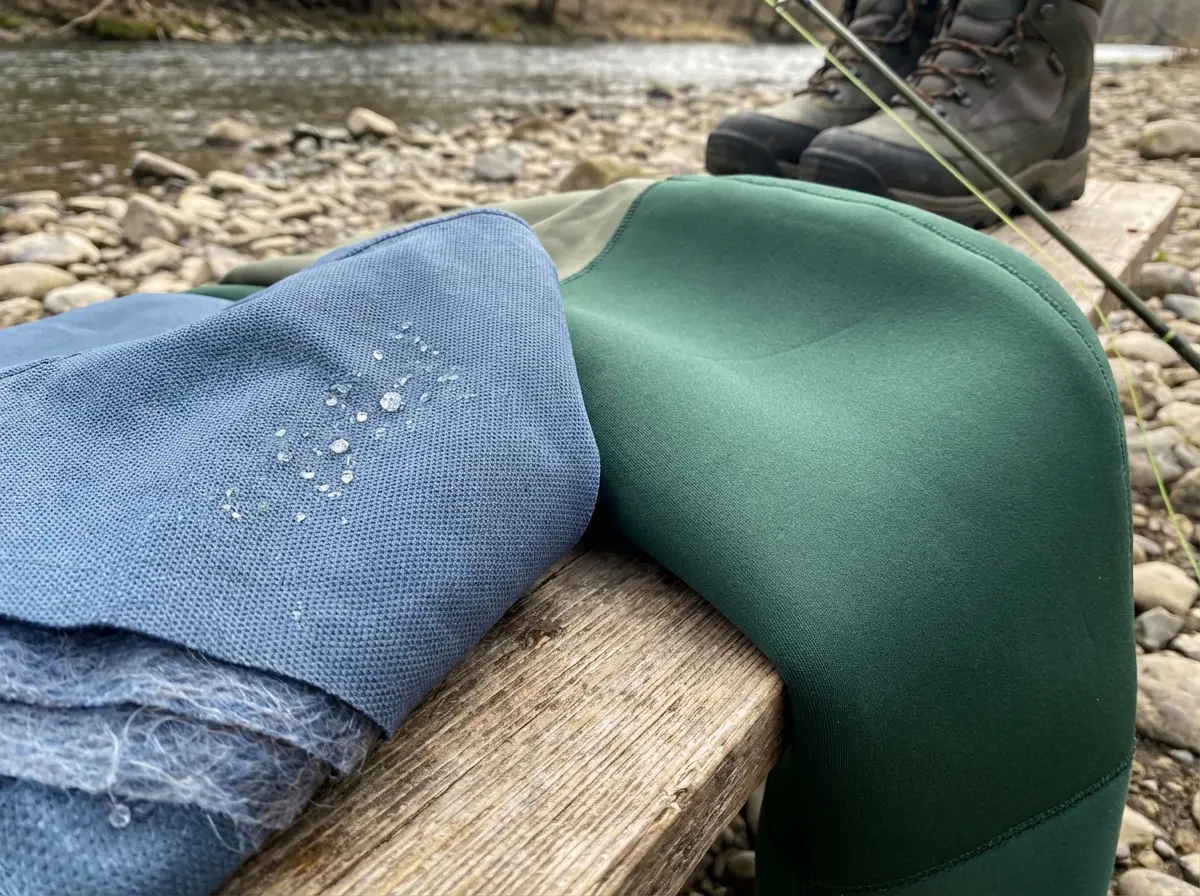
Breathable fishing waders, typically made from layers of polyester and Gore-Tex, dominate the modern market for good reason. They allow sweat vapor to escape while blocking liquid water from entering, which regulates body temperature effectively.
Neoprene fishing waders serve a very specific function that breathable fabrics cannot easily replicate in extreme conditions. These thick, rubber-like suits provide immense insulation and buoyancy, making them the standard for cold-water wading or duck hunting. However, they trap body heat and moisture, which leads to clamminess during high-activity days.
You should prioritize breathable materials if your fishing involves hiking, climbing banks, or warm weather. The ability to layer underneath breathable waders makes them versatile enough for winter steelheading and summer trout fishing alike.
Neoprene remains the superior choice only for sedentary fishing in near-freezing water temperatures.
- Breathable waders offer superior versatility for active anglers who hike or fish in varying temperatures.
- Neoprene provides essential insulation for sedentary fishing in extremely cold water, but traps sweat.
- Layering under breathable waders allows for year-round use compared to the seasonal limits of neoprene.
Best Waders for Fishing: Bootfoot vs. Stockingfoot Wading Boots and Systems
The connection point between your body and the riverbed defines stability, and this choice drastically alters your fishing experience.
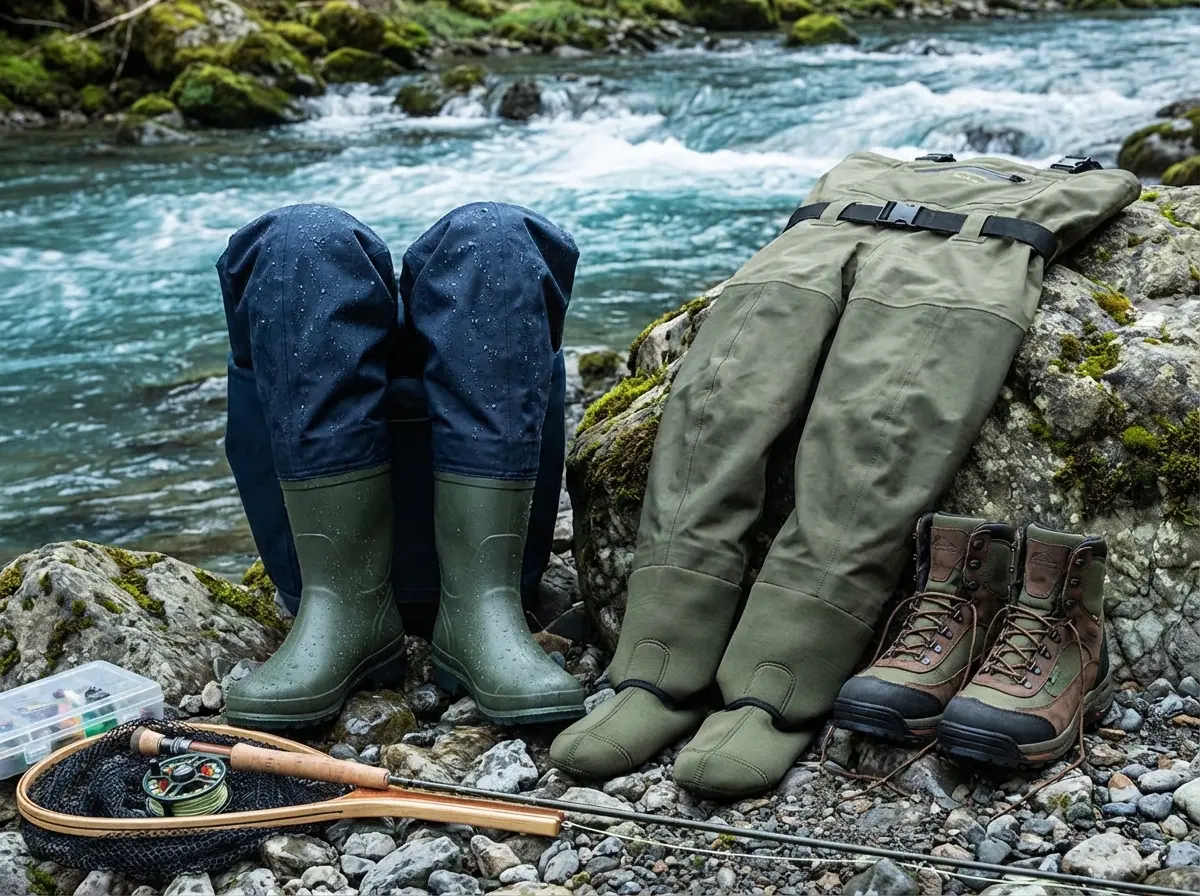
Stockingfoot fly fishing waders feature a neoprene sock attached to the leg, requiring you to purchase a separate pair of wading boots. This system offers superior ankle support and allows you to swap boots for different terrain types.
Bootfoot waders integrate a heavy rubber boot directly into the leg of the wader, creating a seamless single unit. Surf casters and anglers who fish sandy beaches often prefer this style because sand cannot invade the boot system. They are also incredibly fast to put on, which appeals to anglers who want to jump straight into the water.
Stockingfoot models generally provide a better fit because the boot laces tighten around the ankle to lock your heel down. Bootfoot models often suffer from “heel slip,” where your foot pulls out of the boot slightly with every step in the mud.
For technical wading in rocky rivers, the stockingfoot system is the undisputed standard for safety and performance.
Best Waders for Fishing: Durability and Construction Standards for Chest Waders
Manufacturers often use the term “denier” to describe fabric thickness, but the number of layers is equally important. High-end chest waders typically utilize 3-layer fabric in the upper chest area and 4 or 5-layer fabric in the legs. This strategic construction places the heaviest armor where brush, rocks, and thorns are most likely to strike.
Seam construction represents the most common failure point in any pair of waders, regardless of the brand or price. Look for seams that are stitched, glued, and taped on the inside to create a redundant waterproof barrier. Some modern designs move the seams from the inside of the leg to the back to reduce abrasion while walking.
Gravel guards are another non-negotiable feature that protects the neoprene stockingfoot from debris intrusion and puncture. These integrated cuffs hook onto your wading boots to form a seal that keeps sand and rocks out of your footwear. Without functional gravel guards, friction from small stones will destroy the neoprene socks within a few trips.
Always hang your waders by the shoulder straps, not the boots, to prevent stress on the seams. Gravity helps maintain the shape and integrity of the material over time.
Sizing, Fit, and Wading Safety for Fly Fishing Waders
Many anglers mistakenly buy fly fishing waders that are too large, assuming the extra room allows for more clothing layers. Excessive material creates “drag” in the current, acting like a sail that pushes you downstream and makes wading difficult. Conversely, waders that are too tight compress your insulation layers, which eliminates the air pockets needed to keep you warm.
Proper inseam length is critical for mobility, especially when stepping over logs or climbing steep river banks. If the inseam is too short, lifting your knee will stress the crotch seams until they eventually burst. You should be able to squat fully without the material pulling tight across your knees or lower back.
A wading belt is the single most important wading safety device you will wear while standing in moving water. This belt cinches the chest waders at your waist to prevent water from filling the legs if you fall in. Without a tight belt, waders can fill with gallons of water instantly, creating a dangerous anchor effect.
Maintenance and Repair Protocols for Waterproof Fishing Gear and Apparel
Durable waders require active maintenance to retain their waterproof qualities and breathability over several fishing seasons. Sweat, body oils, and dirt clog the microscopic pores in breathable fabric, which eventually leads to internal condensation. You must wash your gear periodically with specialized cleaners designed for waterproof fishing gear to restore performance.
Drying your waders properly prevents the growth of mold and mildew that breaks down seam tape adhesives. You should dry the inside first to remove perspiration, then flip them to dry the exterior surface. Never leave wet waders rolled up in a hot car, as heat delaminates the fabric layers.
Leaks are inevitable if you fish hard, but most pinholes are easily repairable at home with the right technique. Detecting the leak is often harder than fixing it, so use a methodical approach to find the breach. The following process will help you locate and seal punctures effectively.
How to Find and Fix a Pinhole Leak in Your Fishing Waders
Isolate the Leak Area
Turn the waders inside out and spray the suspected area with rubbing alcohol. The alcohol will turn the pinhole into a dark black or grey spot on the fabric.
Apply the Adhesive
Apply a small dab of urethane-based sealant, such as Aquaseal, directly over the dark spot. Use a brush or gloved finger to smooth it into a flat circle.
Cure and Test
Allow the adhesive to cure for at least 12 to 24 hours before using the waders. Flex the area gently to check that the bond is secure and flexible.
Best Waders for Fishing: Price Points and Value Analysis for Performance Waders
The price gap in the chest waders market is massive, with entry-level options costing under $100 and premium models exceeding $900. Cheap waders usually utilize fewer layers of fabric and basic stitching, making them prone to leaks within the first year. They serve as adequate backups or starter gear but rarely withstand rigorous use.
Mid-range waders often provide the best return on investment for the average angler who fishes twenty to thirty days a year. These models typically incorporate articulated knees, better suspension systems, and reliable warranty support from reputable brands. You pay for better quality control and materials that resist abrasion significantly better than budget options.
Premium waders justify their cost through advanced membrane technology, custom sizing options, and rigorous factory testing. Brands at this level often offer extensive repair programs that can extend the life of the product for a decade. If you fish more than fifty days a year, the cost per use of a premium pair eventually beats replacing cheap waders annually.
- Stockingfoot waders provide a better fit and stability for hiking and technical wading environments.
- Regular cleaning prevents breathable pores from clogging with dirt and body oils.
- Mid-range waders usually offer the best balance of durability and cost for most anglers.
Conclusion
Selecting the best waders for fishing involves more than just picking a brand name or a price tag. You must match the material to your local climate and choose a boot system that fits your mobility needs. The right waterproof fishing gear allows you to stay in the water longer, increasing your odds of success.
Remember that even the most expensive waders require care, cleaning, and proper storage to function correctly. Treat your waders as a tool rather than clothing, and they will protect you against the elements for seasons to come. Prioritize fit and wading safety features, and the comfort will naturally follow.