
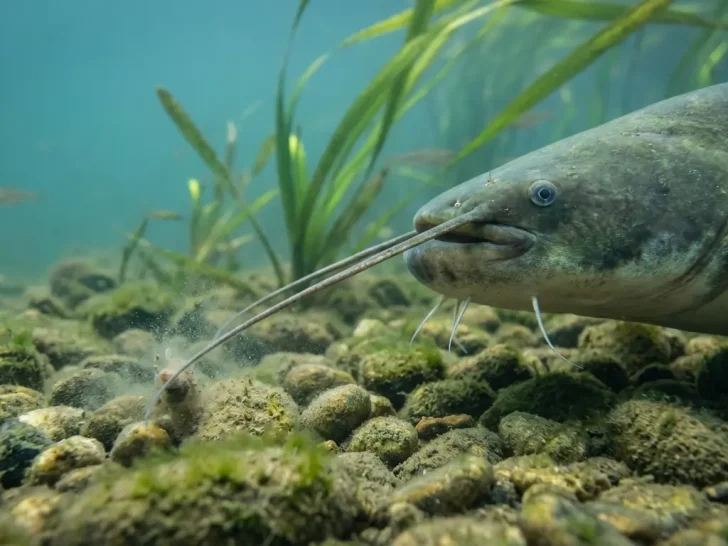
Catfishing stands as one of the most popular freshwater angling pursuits across the United States, requiring specialized knowledge to be successful. Identifying the best baits for catfish involves more than just luck; it demands a solid understanding of what triggers their specific feeding instincts.
While anglers often debate which yields the best results, the most effective catfish bait usually depends on the species, water temperature, and local forage base.
You cannot approach all catfish with a single strategy because their behaviors differ significantly across various aquatic environments.
Channel catfish often scavenge for food, while flatheads prefer to hunt live prey in heavy cover or deep structures. Blue catfish fall somewhere in the middle, consuming both live and fresh dead fish depending on seasonal availability.
Success starts with selecting a lure that appeals to the sensory organs of your specific target fish.
This guide examines the best catfish bait available to modern anglers. We will analyze why certain scents and textures work better than others in specific environments across the country. You will learn how to present these catfish baits to maximize your chances of landing a trophy fish in any condition.
By matching your catfish bait to the fish’s biology, you increase your success rate significantly during every outing.
The Science of Scent: How the Best Baits for Catfish Work
Catfish possess some of the most advanced sensory systems in the freshwater world, allowing them to thrive in diverse habitats. Their entire body acts as a swimming tongue, covered in taste buds that detect minute chemical concentrations in the water. This biological trait allows them to find food in muddy, dark water where visibility is near zero for most predators.
The barbels, or whiskers, serve as the primary tools for locating food sources on the river bottom during low-light periods. These appendages contain a high density of sensory receptors that help the fish distinguish between rocks and potential meals.
When a catfish tracks a scent trail, it swims in a zigzag pattern to pinpoint the source with incredible accuracy. Your bait must release enough scent to create a detectable trail downstream to attract fish from a distance.
Different species rely on these senses to varying degrees during their daily feeding cycles and seasonal migrations.
Channel catfish use their sense of smell to scavenge over wide areas of lake or river bottoms for organic matter. Flatheads, however, use their lateral lines to detect the vibration of distressed fish before using scent to finalize the strike.
Your bait choice must align with the primary sensory mechanism of the fish you want to catch today.
Top Picks for Channel Catfish: Using Nightcrawlers and Liver
Channel catfish are the most widespread species in North America and generally the easiest to catch for novice anglers. They are opportunistic feeders that will eat almost anything that gives off a strong organic odor in the water.
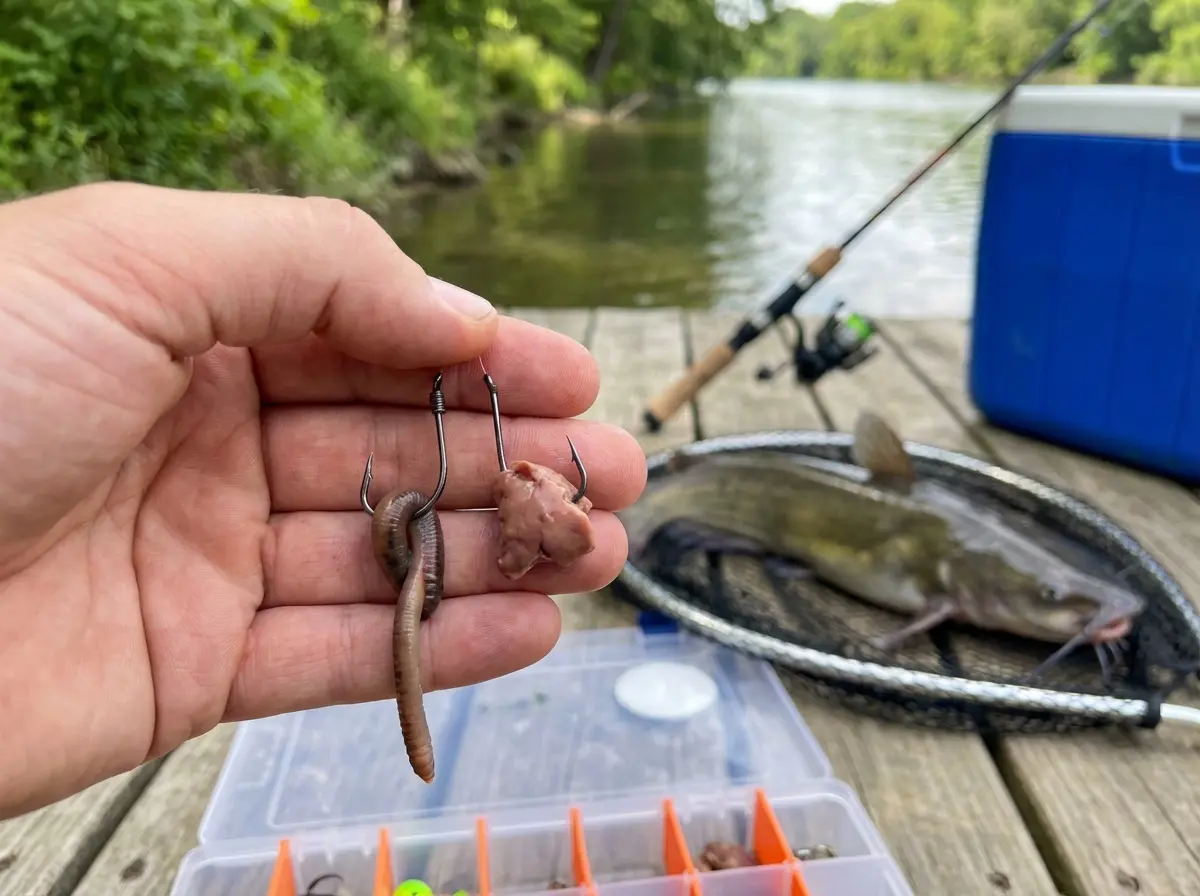
This indiscriminate feeding habit opens up a wide range of bait possibilities for anglers fishing in ponds or rivers. The most consistent producers for channels include nightcrawlers, chicken livers, and prepared stink baits that disperse scent quickly.
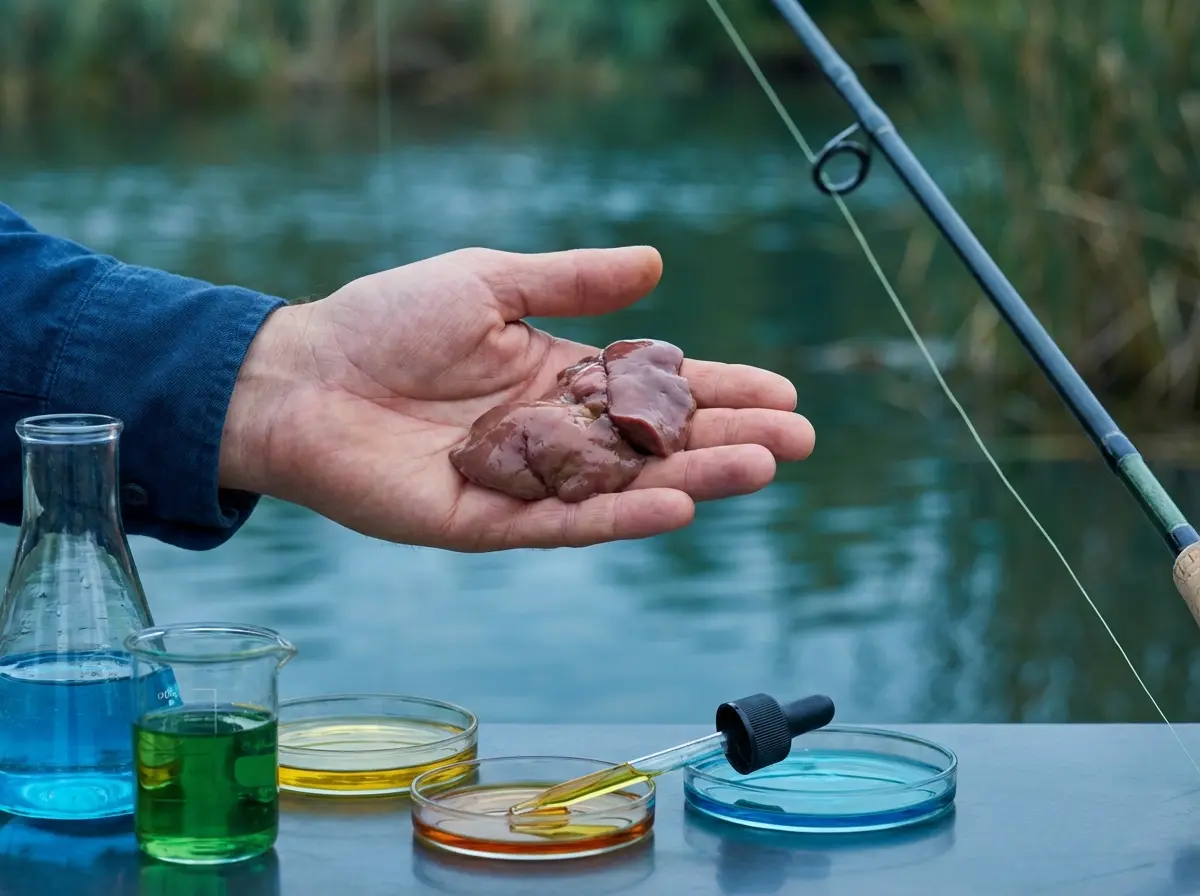
Chicken livers are a classic choice because they release a dense cloud of blood and amino acids into the water. The texture of liver can be difficult to manage, as it tends to fly off the hook during forceful casts.
Many anglers use specialized treble hooks or wrap the meat in mesh to keep it secure during the presentation. Despite the mess, the effectiveness of liver for a number of medium-sized fish is undeniable in most warm-water scenarios.
Nightcrawlers offer a more natural presentation that appeals to catfish in nearly every body of water across the country. A large glob of worms on a hook mimics the natural displacement of invertebrates after a heavy spring rain. This bait works exceptionally well in early spring when fish move into shallow water to feed on washed-in nutrients.
You can float crawlers under a bobber or fish them tight to the bottom with a standard slip sinker rig.
- Catfish use their entire bodies to taste the water, making scent dispersion critical for success.
- Channel catfish are opportunistic scavengers that respond best to strong-smelling organic baits.
- Chicken liver is highly effective but requires careful rigging to stay on the hook during casting.
Targeting Blue Catfish with Fresh Cut Bait and Shad
Blue catfish grow to immense sizes and act as the primary predator in many large reservoirs and river systems. While they will scavenge, trophy-class blue cats prefer fresh, oily fish over rotten or prepared baits found in stores.
The standard for catching these giants is fresh cut bait, specifically from forage species native to the water you are fishing. Shad, skipjack herring, and bluegill usually top the list of productive options for serious trophy hunters.
Gizzard shad and threadfin shad make excellent bait because they are naturally oily and bloody when prepared correctly. When cut into chunks, these fish release a slick of scent that attracts blue catfish from long distances downstream.
You should try to use shad caught the same day you fish, as freezing can diminish the oil content significantly. A firm piece of fresh shad stays on the hook better in strong currents than frozen alternatives.
Skipjack herring, often called “River Herring,” is widely considered the premier bait for big river blue catfish in the Midwest. This fish has an incredibly strong odor and a tough skin that resists being stolen by smaller fish or turtles.
Anglers often catch skipjack on light tackle before their main outing to secure the freshest bait possible for the day. If you cannot find skipjack, common carp or buffalo cut into cubes also serve as durable alternatives for big blues.
Leave the scales on your cut bait. The scales create a flash in the water that can attract catfish visually, while also helping to keep the hook point exposed but snag-free.
Live Bait for Flathead Catfish: Sunfish and Bluegill Strategies
Flathead catfish differ from their cousins because they prefer to eat live prey almost exclusively throughout their lives. These fish are ambush predators that hide in submerged timber or rock piles waiting for an easy meal to swim by.
While you might catch a flathead on cut bait occasionally, live fish are superior for targeting this species consistently. The vibration and distress signals from a live fish trigger the flathead’s predatory aggression and hunting instincts.
Green sunfish, bluegill, and bullheads make the best live bait choices due to their hardiness in various water conditions. These species can survive on a hook for hours, remaining active and struggling against the weight of the rig.
This struggle sends vibrations through the water that flatheads can detect with their lateral lines even in pitch-black conditions. You should match the size of your bait to the size of the flathead you hope to catch today.
Goldfish are another popular option, where legal, as they are extremely durable and highly visible to predators in murky water. However, you must check local regulations, as some states prohibit the use of goldfish to prevent invasive species spread.
Regardless of the species, hooking the bait through the back just behind the dorsal fin encourages it to swim naturally. This presentation keeps the bait alive longer and entices a strike from wary predators in heavy cover.
- Blue catfish prefer fresh, oily cut bait like shad or skipjack herring over rotten options.
- Flathead catfish are ambush predators that respond best to the vibrations of live bait.
- Hardy baitfish like sunfish and bluegill are ideal for flatheads because they remain active on the hook for extended periods.
Effective Grocery Store Solutions: Hot Dogs and Artificial Baits
You do not always need a cast net or a bait shop to find effective catfish lures for your next trip. Many successful anglers rely on items found in the aisles of the local grocery store for convenience and cost savings. These baits are inexpensive, easily accessible, and often outperform natural options for channel catfish in stocked ponds or slow rivers.
Hot dogs and shrimp are the most reliable human foods that double as effective fish attractants.
Cheap hot dogs are a staple for weekend anglers targeting smaller channel cats in local community lakes. They are easy to cut into bite-sized chunks and stay on the hook reasonably well during long casts.
To increase their effectiveness, many fishermen marinate the hot dogs in garlic powder or unsweetened drink mix packets for extra scent. The porous meat absorbs these extra flavors, creating a profile that catfish find irresistible in most conditions.
Laundry soap, specifically bars containing animal tallow like Zote, works surprisingly well for trotlines and jug fishing in moving water. The main advantage of soap is its durability; it dissolves slowly and resists small bait-stealing fish like bluegill or perch.
Catfish are attracted to the fatty oils released as the soap melts in the current over several hours. This makes it an excellent “set it and forget it” option for overnight fishing trips in large rivers.
How to Prepare Marinated Hot Dog Bait
Cut and Dry the Hot Dogs
Slice the hot dogs into one-inch chunks. Place them on a paper towel for 30 minutes to remove excess moisture.
Add the Flavor Enhancers
Place the chunks in a zip-top bag. Add two packets of unsweetened strawberry Kool-Aid and two tablespoons of minced garlic.
Marinate and Store
Seal the bag and shake vigorously. Refrigerate overnight to allow the meat to toughen and absorb the scent.
Commercial Stink and Punch Baits for Summer Success
Manufactured baits offer convenience and intense scent profiles that are hard to replicate at home for most casual anglers. These products generally fall into two categories: dip baits and punch baits, each requiring specific rigging techniques for success.
Dip baits have a thin, sticky consistency and require a special sponge or tube hook to hold the mixture in place. Punch baits are thicker, fibrous mixtures that you can mold directly onto a tr