
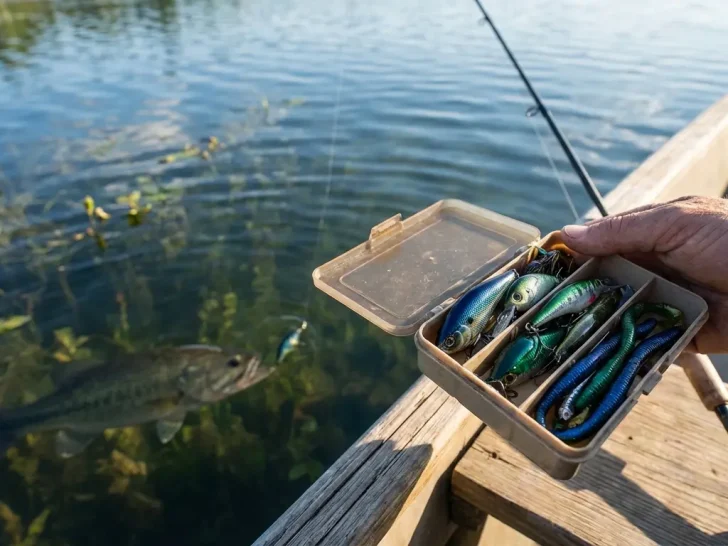
Freshwater fishing offers millions of Americans an accessible way to connect with nature and chase trophy catches. Finding the best fishing lures for freshwater allows you to cast a line in a calm neighborhood pond or battle a massive river system. Success relies heavily on presenting an artificial bait that triggers a predatory response from your specific target species.
Anglers spend billions of dollars annually on freshwater fishing gear, attempting to find the perfect presentation for every possible water condition. Finding the best fishing lures for freshwater requires understanding water temperature, clarity, and the natural forage base. We will examine the top categories of artificial baits and explain exactly how they generate aggressive strikes from predatory fish.
Fish operate as instinctual predators driven by environmental factors rather than conscious thought or emotion. Water temperature dictates their metabolic rate, which directly influences their willingness to chase fast-moving artificial baits. A largemouth bass in sixty-degree water will aggressively pursue a fast-moving spinnerbait, while a cold-water bass needs a slow-moving jig.
Water clarity plays an equally critical role in determining which lure you should tie onto your fishing line. Clear lakes require realistic color patterns that closely mimic shad, bluegill, or crawfish to fool keen eyesight. Muddy water forces fish to rely heavily on their lateral lines, making noisy, vibrating baits highly effective.
Seasonal transitions force fish to migrate between deep water holding areas and shallow feeding flats. Spring spawning periods bring fish near the bank, making shallow-running baits incredibly productive for anglers casting from shore. Summer heat pushes larger fish into deeper, cooler water where deep-diving crankbaits and heavy jigs excel.
- Match your lure speed to the current water temperature to accommodate the fish’s metabolic rate.
- Select natural colors for clear water and vibrant, noisy baits for muddy or stained conditions.
- Adjust your bait depth based on seasonal migrations between shallow flats and deep water structures.
Effective Crankbaits: High-Performance Freshwater Fishing Lures for Covering Water
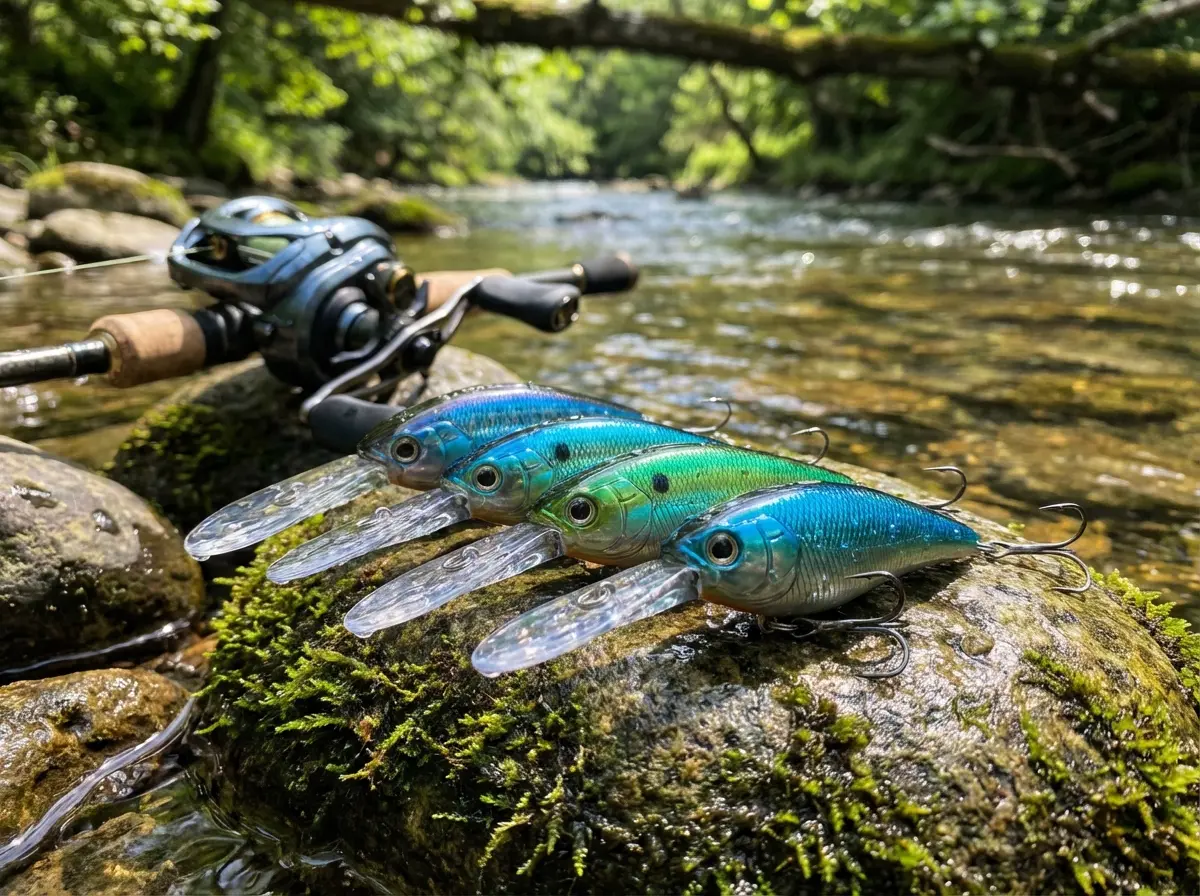
Crankbaits allow anglers to search massive expanses of water efficiently to locate active schools of feeding fish. These hard-bodied lures feature a plastic or metal diving lip that dictates their maximum running depth. The angle and size of the bill determine whether the bait dives two feet or twenty feet down.
Professional tournament anglers rely heavily on crankbaits during practice days to map out productive underwater structures. You cast the bait long distances and retrieve it at varying speeds to trigger reaction strikes from predatory fish. Deflecting these baits off rocks, stumps, or gravel bottoms creates an erratic action that forces fish to bite.
Lipless Crankbaits: High-Vibration Bass Fishing Lures
Lipless crankbaits deliver intense vibration and loud rattling sounds that call fish from long distances. These flat-sided lures sink rapidly, allowing you to count them down to a specific depth before beginning your retrieve. Anglers rip these baits through submerged grass beds to trigger vicious strikes from hiding bass and pike.
The tight wobble of a lipless crankbait perfectly imitates a fleeing baitfish in distress. They perform exceptionally well during the pre-spawn period when water temperatures hover in the low fifties. Red and orange color patterns dominate early spring fishing trips because they mimic the appearance of molting crawfish.
Squarebill Crankbaits: Deflection-Based Artificial Lures
Squarebill crankbaits dominate shallow water environments filled with heavy cover like laydown trees and rock piles. The squared-off diving lip acts as a bumper, causing the lure to deflect off solid objects without snagging. This deflection mimics a disoriented baitfish and almost guarantees a reaction strike from any nearby predator.
You should fish squarebills on heavy fluorocarbon line to prevent break-offs when rubbing against abrasive cover. A steady retrieve mixed with occasional pauses allows the highly buoyant bait to back away from potential snags. Shad and bluegill patterns produce consistent results across most freshwater reservoirs in the United States.
Always check your crankbait to make sure it runs straight during the retrieve. If it pulls to one side, gently bend the metal line tie in the opposite direction with needle-nose pliers.
Soft Plastic Baits: The Versatility of Soft Plastic Baits in Freshwater Environments
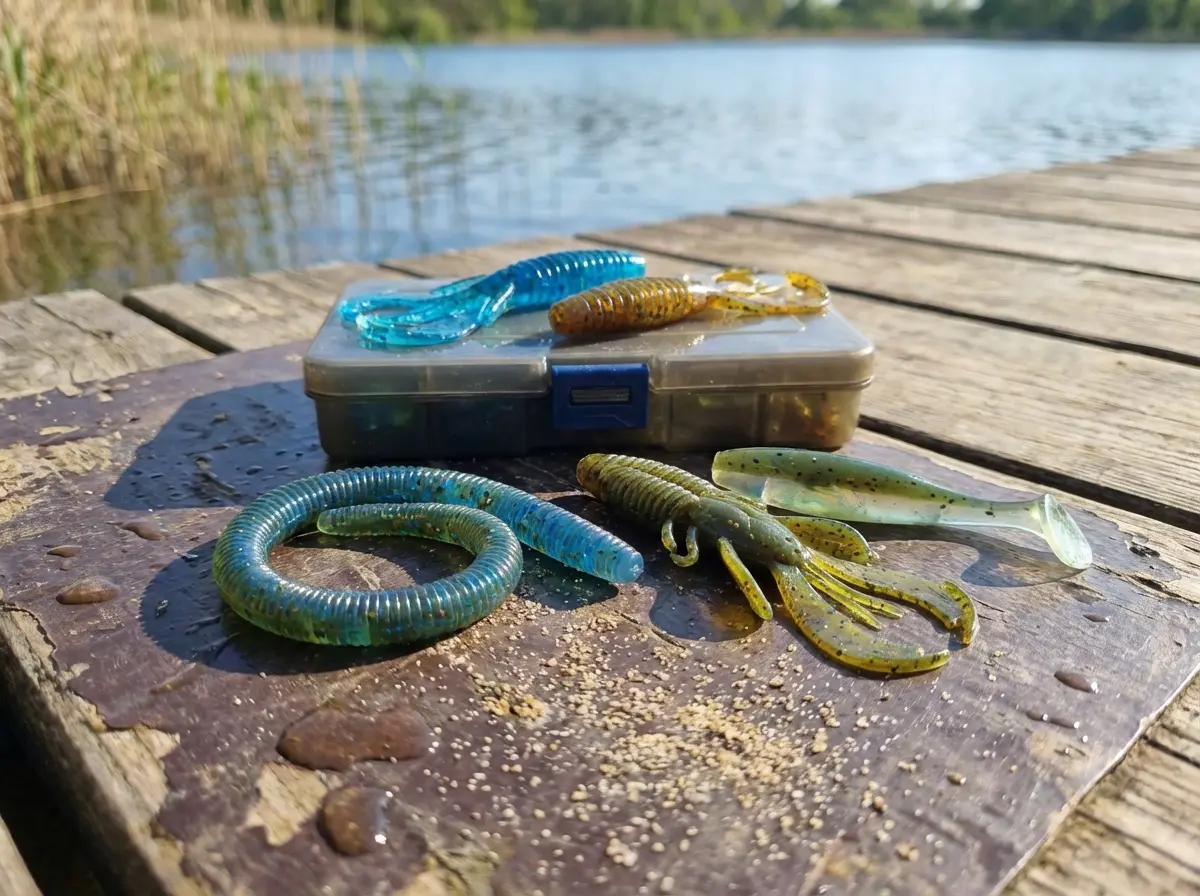
Soft plastic baits represent the largest and most diverse category of the best fishing lures for freshwater. Manufacturers pour liquid plastic into molds to create endless shapes, sizes, and colors that imitate natural forage. These artificial lures feel natural in a fish’s mouth, causing them to hold on longer and increasing your hookup ratio.
Anglers can rig soft plastics in dozens of different configurations to target fish at any depth in the water column. You can fish them completely weedless through the thickest vegetation or drag them across bare rocky bottoms. Their subtle, lifelike action makes them an excellent choice for highly pressured lakes where fish ignore loud, aggressive baits.
Senkos and Stick Baits: Essential Freshwater Fishing Gear
The soft plastic stick bait revolutionized modern bass fishing techniques with its simple yet effective design. These cigar-shaped lures lack any molded appendages but generate a mesmerizing quivering action as they sink. Fish simply cannot resist the subtle wobble of a weightless stick bait falling past their face.
Wacky rigging a stick bait involves hooking the lure perfectly in the middle, allowing both ends to flutter downward. This technique produces incredible results during the post-spawn period when fish suspend around boat docks and shallow brush. Texas rigging the same bait provides a weedless presentation ideal for pitching into heavy lily pad fields.
Creature Baits and Craws: Bulky Bottom Bass Fishing Lures
Creature baits feature multiple flappers, tentacles, and appendages designed to displace water and create vibration. These bulky plastics imitate crawfish, waterdogs, or large insects that represent a substantial meal for a predatory fish. Anglers typically rig these baits on heavy hooks and flip them directly into isolated cover targets.
Crawfish imitations feature realistic pinchers that stand up defensively when dragged across the lake bottom. You pair these baits with a tungsten sinker to maintain constant contact with the bottom composition. Dragging a green pumpkin craw across a gravel point remains one of the most reliable methods for catching smallmouth bass.
How to Rig a Weedless Texas Rig
Thread the Bullet Weight
Slide a bullet-shaped tungsten or lead weight onto your main fishing line with the pointed end facing your rod tip.
Tie the Hook and Penetrate the Bait
Tie on an offset worm hook using a Palomar knot. Insert the hook point about a quarter-inch into the top of the soft plastic bait and push it out the side.
Bury the Hook Point
Slide the bait up the shank to the eyelet, rotate it 180 degrees, and embed the hook point straight back into the plastic body to make it weedless.
Wire Baits: Spinnerbaits and Chatterbaits as Essential Freshwater Fishing Gear
Wire baits combine flashing metal blades with a pulsating silicone skirt to create a highly visible and noisy presentation. Spinnerbaits utilize an overhead wire arm holding one or more spinning blades that flash like a school of baitfish. The single large hook sits upright, making this lure incredibly resistant to snagging on submerged wood and vegetation.
Blade selection dictates the running depth and vibration output of your spinnerbait presentation. Willow leaf blades spin tightly, offering maximum flash and minimal resistance for fishing in clear, deep water. Colorado blades create a wide, thumping rotation that moves significant water, perfect for muddy conditions or night fishing.
Chatterbaits, or vibrating jigs, feature a hexagonal metal blade attached directly to the eye of a jig head. The blade oscillates rapidly during the retrieve, creating a frantic hunting action and a hard-thumping vibration. This lure bridges the gap between a crankbait and a jig, offering both profile and intense action.
You fish a chatterbait by casting it around submerged grass beds and retrieving it just fast enough to feel the blade thump. Tipping the bait with a soft plastic trailer adds bulk and modifies the running depth of the lure. White and chartreuse combinations excel in muddy water, while natural green pumpkin works best in clear environments.
Avoid using heavy braided line with a stiff rod when fishing chatterbaits. The lack of stretch can cause you to pull the heavy hook completely out of the fish’s mouth during aggressive strikes.
Topwater Lures: Surface Action and Explosive Freshwater Fishing
Nothing matches the adrenaline rush of watching a massive fish violently strike a lure on the surface. Topwater fishing requires specific conditions, typically excelling during low light periods like early morning or late evening. Overcast days with a slight chop on the water surface can extend the topwater bite throughout the entire afternoon.
Surface lures target the aggressive, feeding instincts of predatory fish looking upward for an easy meal. These baits imitate dying baitfish, struggling insects, or frogs attempting to cross open stretches of water. A successful topwater angler must learn to delay their hookset until they actually feel the weight of the fish.
Hollow Body Frogs: Weedless Surface Lures
Hollow body frogs dominate incredibly thick aquatic vegetation where no other bait can function effectively. These lures feature a soft, collapsible body that shields two large hooks facing upward against the back. You can drag a frog directly over matted lily pads or thick algae without snagging any weeds.
When a fish strikes a frog, the soft body compresses, exposing the heavy hooks for a solid connection. Anglers must use braided line testing at least fifty pounds to extract large fish from the dense cover. Walking a frog side-to-side in open pockets within the grass triggers explosive strikes from territorial bass and pike.
Walking Baits and Poppers: Rhythmic Topwater Fishing Techniques
Walking baits feature an aerodynamic, cigar-shaped profile that glides rhythmically from left to right during the retrieve. This classic action requires a cadence of rhythmic rod twitches while simultaneously taking up slack line. The side-to-side motion perfectly mimics a wounded shad struggling near the surface, drawing strikes from deep water.
Poppers utilize a cupped face that spits water and creates a loud popping sound when twitched abruptly. You fish a popper much slower than a walking bait, allowing it to rest motionless between aggressive pops. This stop-and-go retrieve frustrates trailing fish and often results in violent strikes during the long pauses.
- Reserve topwater lures for low-light conditions like dawn, dusk, or heavily overcast days.
- Wait until you feel the weight of the fish before setting the hook on a surface strike.
- Use heavy braided line when fishing hollow body frogs around dense aquatic vegetation.
Bass Jigs: Precision Bottom Fishing Lures for Freshwater Bass
A skirted jig represents the ultimate tool for catching the largest fish in any freshwater system. Jigs mimic crawfish or bottom-dwelling baitfish, presenting a bulky profile that appeals to trophy-sized largemouth and smallmouth bass. The combination of a lead or tungsten head, a silicone skirt, and a weed guard creates a highly versatile presentation.
Football jigs feature a wide, oblong head that prevents the bait from rolling over and snagging in rocky terrain. You drag these heavy jigs slowly across deep gravel bars, maintaining constant contact with the bottom structure. Adding a twin-tail grub or craw trailer gives the jig a lifelike, defensive posture when paused.
Swim jigs utilize a bullet-shaped head designed to glide smoothly through aquatic vegetation without accumulating debris. Instead of dragging the bottom, you retrieve a swim jig steadily through the middle of the water column. Pumping the rod slightly during the retrieve causes the skirt to flare, imitating a fleeing bluegill.
Always pair your jig with a soft plastic trailer that matches the color of the silicone skirt. This adds necessary bulk and slows down the fall rate of the lure.
Spoons and Spinners: Multi-Species Success with Essential Freshwater Lures
Classic spoons and inline spinners remain incredibly effective for targeting a wide variety of freshwater species across the country. These simple metal lures rely entirely on flash and vibration to trigger strikes from trout, salmon, pike, and panfish. Many anglers catch their very first fish using a classic inline spinner on a local stream.
Casting spoons feature a curved metal body that flutters and wobbles erratically as it moves through the water. The heavy metal construction allows for incredibly long casts, making them perfect for shore anglers targeting distant drop-offs. Silver spoons reflect sunlight beautifully in clear water, while gold finishes excel on overcast days or in stained water.
Inline spinners feature a metal blade rotating around a central wire axis, creating a continuous flash and vibration. As the blade spins, it generates a subtle hum that trout and smallmouth bass find highly attractive. These versatile trout lures and spoons are essential for any multi-species tackle box.
Conclusion: Mastering the Best Fishing Lures for Freshwater
Selecting the best fishing lures for freshwater requires a solid understanding of environmental conditions and fish behavior. No single bait guarantees success on every lake, making a diverse fishing tackle box essential for consistent results. You must analyze the water clarity, temperature, and available cover before deciding which presentation to tie on your line.
Mastering a few specific lure categories yields better results than carrying hundreds of baits you rarely throw. Spend time learning the mechanics of crankbaits, soft plastics, and topwater lures to build a strong foundation. Applying these proven techniques will significantly increase your catch rate and make your time on the water more rewarding.
Fishing remains a continuous learning process where observation and adaptation separate average anglers from exceptional ones. Pay attention to how fish react to different retrieve speeds, colors, and profiles on any given day. Your willingness to experiment with various presentations ultimately leads to more successful trips and heavier stringers.

- Understanding Pier Fishing for Beginners: Fundamentals and Strategy - September 10, 2026
- Why Connection Selection and the Right Fishing Knot Matters - August 10, 2026
- Understanding Topwater Lure Types for Successful Bass Fishing - July 10, 2026