
If you have northern pike on your mind, you already understand the excitement that comes with pursuing big predator fish. You likely picture that long green torpedo sliding out of a weed bed to crush your lure.
Learning how to catch northern pike is about understanding what makes them such aggressive hunters.
Most anglers first learn how to catch northern pike by accident. You might be casting for largemouth bass or walleye when something heavy grabs on and performs a wild headshake.
After you lose a couple of jigs and a nice fish right at the boat, you realize you want to start targeting pike on purpose.
Once you decide to pursue this game fish, the obsession grows quickly. It transforms from a nuisance bite into a dedicated pursuit of one of the most aggressive freshwater fish in North America.
Table Of Contents:
- Understanding Northern Pike Behavior
- Where to Find Pike in Different Seasons
- Gear Setup for Northern Pike
- Best Lures for Northern Pike
- Fly Fishing for Pike
- How to Catch Northern Pike: Presentation Tactics That Work
- Staying Safe Around Big Pike
- Planning a Pike Trip
- Conclusion
Understanding Northern Pike Behavior
Northern pike are textbook ambush predators. Biologists and guides often describe northern pike as the classic example of a predatory species because they are built to attack fast. They prefer to swallow big meals in one gulp.
If you look at reports from northern Ontario fisheries, you see a consistent pattern. These fish have long bodies, flat heads, and a big mouth full of sharp teeth. Pike hang near cover and burst out when something looks wounded or careless.
That is why location and presentation matter more than fancy gear or complicated tricks. Pike feeding habits rely on stealth and sudden speed. They are not usually roaming open water aimlessly; they are waiting for a mistake.
Pike also loves cool water. They stay shallow during spring, move slightly deeper as summer warms up, and often slide back into bays when the water cools in fall. Once you know this seasonal pattern, you are no longer just casting blindly.
Where to Find Pike in Different Seasons
You can throw perfect lures all day and catch nothing if you are in dead water. To really dial in how to catch northern pike, you must match your fishing spots with the current season. This approach separates the casual pike anglers from the experts.
Spring: Post-spawn bays and flats
Right after ice out, pike slide into shallow back bays. They like places that warm up fast and hold baitfish. Pike prefer areas with flooded grass, cattails, and dark bottom shorelines during this time.
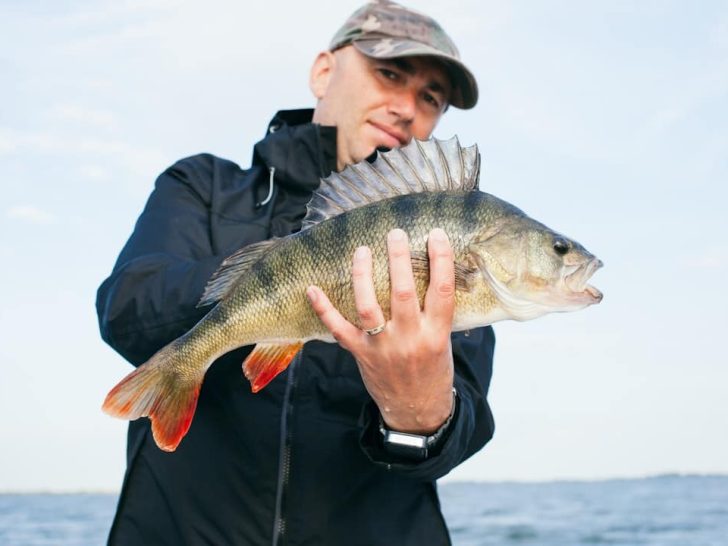
During post-spawn, big females often sit just off the first break near spawning zones. Many experienced anglers will work the outer edges of weed lines, creek mouths, and current seams. If there are yellow perch or suckers around, pike will be nearby.
Slow presentations shine here because the water temperature is still cold. This is where minnow-shaped baits and smaller soft plastics perform exceptionally well. It is a good idea to fish the warmest part of the day.

Summer: Weeds, points, and deeper breaks
Once the water warms, pike spread out. They still use weed beds, but now they favor edges of cabbage and coontail near deeper water. Main lake points, rock humps with some grass, and submerged weed flats become prime locations.
In many classic pike destinations, summer patterns mean covering water efficiently. You should cast along weed edges, fan cast across rocky points, and use baits that call fish in from a distance. Anglers prefer fast-moving baits during this window.
The midday bite might slow in clear shallow water, but pike often stay active where the water is stained. Do not avoid the midday sun if you are fishing in deeper structure. Sometimes they hold as deep as lake trout, depending on the lake.
Fall: Big bait time
As the water cools in the fall, baitfish start to group up again. Pike respond by putting on serious weight before winter. They follow schools of whitefish, cisco, and other larger forage.
They often set up along sharper drops near the last remaining green weeds. This is when larger profile swimbaits and jerkbaits really shine. Pike love a substantial meal this time of year.
Guides on big fish water know that one quality bite in fall might beat a whole day of smaller fish in summer. If your goal is a true trophy, plan a trip to a big pike region. You might look at the lakes around Algoma or camps that Wisconsin big fish specialists use.
Gear Setup for Northern Pike
Can you catch pike on light bass tackle? Yes.
Will you lose a lot of lures, fish, and maybe snap a rod on a big one? Also yes.
Pike fight hard and their first run can feel like someone hooked your rod to a moving truck. Having the right pike tackle ensures you land the fish you hook.
Rod and reel choices
For most casting and trolling, a medium-heavy action or heavy power rod is ideal. You want enough backbone to drive hooks and steer the fish away from weeds and wood. A quality setup involves pairing a strong rod with a sturdy baitcasting reel.
Some anglers who focus almost fully on pike step up to specialized outfits. Gear such as the Abu Garcia MAX41, paired with the Berkley Zilla casting rod, offers excellent control. That rod length and casting range let you throw heavier baits with comfort.
The key is balance. A lighter spinning combo can still land decent fish in open water. However, serious pike hunters often favor casting setups because they handle larger lures with less fatigue.

Line and leaders
Pike cut mono and fluorocarbon leader material with ease. Their teeth are like razors, which is why many seasoned anglers recommend at least 30-pound test line. Many anglers prefer braided line for its lack of stretch and high strength.
Braid in the 30 to 50-pound class works great on casting gear. For even heavier-duty work, setups spooled with lines such as 52-pound Berkley Sick Braid handle both large lures and giant fish. This heavy line helps pull fish out of thick cover.
At the business end, use a steel or heavy fluorocarbon leader to deal with teeth and gill plates. A short wire leader prevents those heartbreaking bite-offs right as the fish shakes near the net. Learn solid fishing knots to join your line to the leader securely.
Best Lures for Northern Pike
This is where pike fishing starts to get really fun. Because pike eat such a wide range of prey, they will hit just about any style of bait. You simply need to match size, speed, and action to the mood of the fish.
Jerkbaits and minnow baits
If you are serious about how to catch northern pike, it is hard to skip a good suspending jerkbait. A reliable choice many anglers trust is the Rapala Husky Jerk in the 3 to 5-inch sizes.
You can fish this bait with a steady crank or a twitch-pause pattern. Often, the strikes come right after a pause when the lure just hangs there. In clear lakes, use more natural patterns, but in stained water, try something brighter.

Soft plastics and swimbaits
Soft plastics might be the best value pike baits available. You can work them slow or fast and swap tails as they get chewed up. Proven choices include curl tail grubs like the Mister Twister Curly Tail Grub.
You can also try slug-style baits like the Lunker City Slug Go.
Another excellent option is a paddle tail such as the Largo Shad paddletail swimbait.
These baits look natural and put off great vibration.
Rig them on jig heads for a simple swim and lift retrieve or on weighted hooks to crawl over weeds. Pike do not mind a plastic that looks a little torn up either. A damaged lure often signals a “wounded meal” to pike generally.
Big profile swimbaits and spoons
For trophy hunting, many anglers turn to large swimbaits or a spoon big enough to displace water. High-action options such as the Bass Pro Z9R swimbaits create a massive target.
Alternatively, a STORM 10-inch Kickin Minnow creates a bigger target for large fish.
These lures give off a strong thump and roll that pulls fish from a distance. You can slow roll them just above the weeds. Lure fishing with these oversized baits often results in fewer bites, but the quality is unmatched.
When fishing a big spoon, let it flutter down into pockets in the weeds. The flash mimics a dying fish, which triggers an instinctual reaction. This is a classic tactic for catching northern pike.
Live and dead bait rigs
Lures are great, but some days live bait or dead bait gets more attention. If you want to soak a sucker or large shiner, run a hook lightly through the nose of the baitfish. This allows the fish to attract predators naturally.
For dead bait setups, such as quick strike rigs under floats or on the bottom, switch to a stronger treble. A 2/0 or 3/0 hook like the Owner Stinger treble hook grips well even when pike nip from odd angles. Bait fishing is incredibly effective in cold water.
Match your bait size to the size of fish you hope to catch. Bigger dead baits might weed out smaller fish. This is fine if you are looking for one serious bite instead of a pile of small fish species.
Fly Fishing for Pike
You do not need heavy casting gear to enjoy this sport. Fly fishing for pike is growing in popularity. It offers a direct connection to the fish that is hard to beat.
You will need a 9-weight or 10-weight rod to cast large, wind-resistant flies. These flies are often called “bunny leeches” or “deceivers” and mimic large baitfish. You typically use a wire bite tippet to prevent cut-offs.
Many anglers find that pike in shallow water will attack a fly more aggressively than a lure. The fly suspends neutrally in the water, looking like an easy target. It is a thrilling way to experience fishing northern pike.

How to Catch Northern Pike: Presentation Tactics That Work
You know what fish eat and where they hang out. The next step is learning how to make your bait move like an easy meal. Avoiding a mechanical look is crucial.
Speed and cadence
Pike usually like a medium to fast-moving bait, but not every day. Cold fronts, clear water, and heavy pressure can make them sulk. It is a good strategy to use your first thirty minutes to test speed.
Try three retrieves in each new spot. First, a steady medium-speed swim. Next, a faster burn with short pauses.
Third, a slow roll with long pauses and gentle twitches. When you get a strike, pay close attention to the cadence. Repeating that specific speed is often the key to fishing northern waters successfully.
Cover angles and boat position
Pike face into the current or sit along weed edges waiting for food to pass. You should cast past the key cover, then bring your lure across their face. Ambush prey logic dictates they will not chase far if they don’t have to.
Work parallel to weed lines rather than straight in toward shore. In small bays, many anglers start on the inside edge and then back out. A better plan can be to set the boat off the deeper weed edge and fan cast shallow to deep.
This covers several holding zones effectively. It gives you a chance to trigger both active and neutral fish. This method works well on everything from pike walleye lakes to remote fly-in destinations.
Handling follows and short strikes
Pike are famous for following baits right to the boat. You see that green flash behind your lure and your heart rate jumps. Instead of pulling your bait straight up, add a big direction change near the boat.
On spinning or casting gear, do a wide oval with your rod tip and speed up slightly. That sharp turn often flips a lazy follow into a full-speed strike. This maneuver is known as a figure-eight, similar to musky fishing.
If the pike caught your eye but didn’t bite, toss a different lure right back where it came from. Many times, you can trigger a second look. Pike usually remains in the area after a follow.
Staying Safe Around Big Pike
A 20-pound pike thrashing beside the boat is no joke. Their gill plates are sharp, and their jaws look like a mix of a saw and a trap. Handling them the wrong way can lead to a nasty cut.
Use a quality net and keep your hands away from its mouth. Tools such as long-range pliers and jaw spreaders help you deal with deep hooks from a safe distance. Tackle tips often overlook safety, but with pike, it is essential.
That slashing motion is a real risk. If you are not careful, the fish can do serious damage.
If you want to keep a fish for table fare, dispatch it quickly and keep it cool. Pike are delicious food fish if the y-bones are removed correctly. If you plan to release it, support the belly and avoid squeezing the gills.

Planning a Pike Trip
You can find good pike water in many places. Northern pike fishing is excellent from small local lakes to famous northern destinations. Parts of Canada, such as Algoma and Sunset Country, host a strong pike scene with lodge sites that cater to serious anglers.
Excellent pike fishing also exists in the US. States like South Dakota offer tremendous trophy potential. You can also find pike invading trout waters, such as the White River or reservoirs known for brown trout and rainbow trout.
Wherever you fish, local knowledge shortens the learning curve. Guides can provide starting depths, colors, and fishing tips for the season.
Always check local fishing regulations before you go. Some lakes have slot limits to protect the larger breeding females. Adhering to these rules ensures the pike season remains productive for years.
| Fishing Style | Rod Power | Line Strength | Best Lure Types |
|---|---|---|---|
| Casual casting from shore | Medium to medium-heavy | 20 to 30 pound braid | Jerkbaits, small soft plastics, spinners |
| Boat casting for larger pike | Heavy | 30 to 50 pound braid | Swimbaits, large spoons, Husky Jerks |
| Trophy-focused swimbait fishing | Heavy extra fast | 50-pound braid or stronger | 10-inch swimbaits, big dead baits |
| Live bait rigging | Medium-heavy | 20-pound mono or braid | Live suckers, minnows under floats |
Conclusion
Figuring out how to catch northern pike is less about secret lures and more about thinking like a hunter. These fish want easy meals and exert as little energy as possible to get them. They use weeds, points, and depth changes as ambush spots.
They respond aggressively when you show them something that looks wounded and worth the effort. Fish northern pike waters with confidence by putting yourself on good structures. Match your presentation to the season, and use gear that stands up to their power.
Every time you set out after these long green predators, you learn something new. Before long, you will have your own story about that first real giant pike that finally did more than just follow.

- Understanding Pier Fishing for Beginners: Fundamentals and Strategy - September 10, 2026
- Why Connection Selection and the Right Fishing Knot Matters - August 10, 2026
- Understanding Topwater Lure Types for Successful Bass Fishing - July 10, 2026