
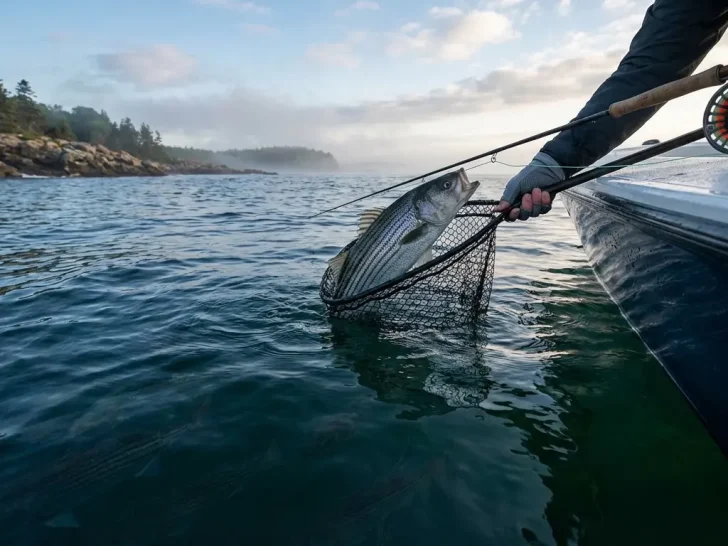
Striped bass command attention along the Atlantic coast with their aggressive strikes and powerful runs. Anglers spend countless hours trying to perfect their approach to landing these magnificent game fish by studying various striped bass fishing tips. You need reliable strategies and a solid understanding of marine environments to succeed on the water. This comprehensive guide provides actionable striped bass fishing tips to elevate your next coastal adventure, focusing on the nuances of striper fishing in diverse environments. Mastering these fundamentals helps you locate fish faster and improves your hook-up ratios significantly.
These predators are highly migratory, moving along the eastern seaboard of the United States from the Chesapeake Bay up through New England as water temperatures rise. Knowing where these fish are during different months dramatically improves your chances of catching striped bass. Understanding where you can find stripers feeding on bunker or herring is the first step toward a successful outing.
These predators follow baitfish schools, making their movements predictable if you study the patterns over several seasons. A successful fishing trip begins with understanding these biological triggers and seasonal movements within the local ecosystem. You can often track their location by monitoring local fishing reports from bait shops and marinas, as many anglers find that the most consistent action occurs when the bait is pinned against a shoreline or structure.
Water temperatures play a massive role in dictating where you will find active fish throughout the changing seasons. Striped bass generally prefer water between 55 and 68 degrees Fahrenheit to maintain their optimal feeding activity levels. When temperatures spike in mid-summer, these predators often retreat to deep water to find cooler, oxygen-rich thermoclines where the bass fish becomes less active during the day and feeds primarily under the protective cover of darkness.
You must adapt your approach and target different depths as the fishing season progresses through the year. Using a high-quality fish finder helps locate these thermal breaks and the baitfish holding near them. Tides and currents also influence how and when these predators feed near the shoreline, as stronger currents often disorient baitfish, making them easier targets for large schools of stripers.
These fish are ambush predators that use moving water to their distinct advantage in various coastal environments. They position themselves behind structure, waiting for the current to sweep baitfish right past them. Fishing during moving tides, either incoming or outgoing, generally yields the best results for successful fishing, especially when looking for “rips” or turbulent water where the current accelerates over a shallow bar or around a point.
- Monitor water temperatures to locate active feeding zones.
- Plan your fishing trips around moving tides for better results.
- Follow the baitfish migrations to find the largest predator schools.
Essential Striper Fishing Tackle and Striped Bass Fishing Tips
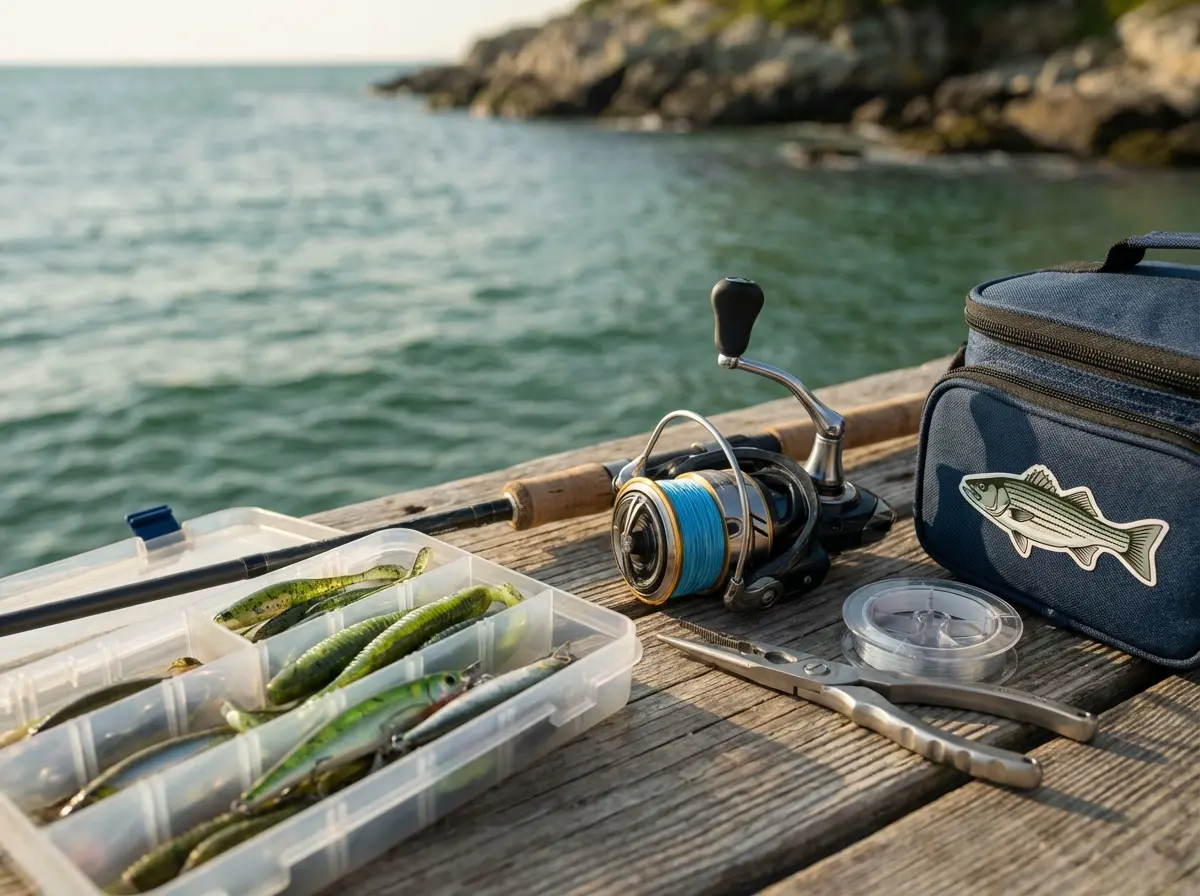
Selecting the right fishing tackle determines how effectively you can present baits and fight fish in heavy currents. You need gear that can handle harsh saltwater environments and the raw power of a heavy fish. A standard setup usually involves a medium-heavy spinning rod or a dedicated casting rod to ensure your gear remains functional throughout the grueling saltwater season.
The exact choice depends heavily on whether you fish from the surf, a boat, or a kayak. Modern kayak fishing requires shorter rods for maneuverability around the small vessel, while surfcasters need longer blanks to achieve maximum casting distance over breaking waves. Choosing the right equipment is the foundation of any successful striper fishing strategy in saltwater environments.
Always rinse your saltwater gear with fresh water immediately after every outing. This simple habit prevents corrosion and extends the life of your expensive reels.
Choosing the Right Fishing Rod and Reel
Your primary fishing rod should measure between seven and ten feet long, depending on your specific fishing platform. Boat anglers typically favor a seven-foot rod for better leverage during vertical fights, while surf casters often rely on nine to eleven-foot rods to punch baits through heavy headwinds. A rod with a fast action helps in setting the hook quickly when a fish strikes.
Pair your rod with a durable saltwater spinning reel in the 4000 to 6000 size range. This combination provides enough backbone to turn a large fish while maintaining sensitivity throughout the fight. A smooth drag system is critical when battling a heavy, aggressive water fish, and high-quality reels feature sealed bearings to keep salt and sand from damaging the internal gears.
Line, Leader, and Fishing Knots
Braided line has completely transformed modern bass fishing by offering incredible strength with minimal diameter. Spool your reel with 30 to 40 pound test braided line for the main running line to cut through the water efficiently and provide exceptional sensitivity for feeling bottom structure. Its lack of stretch ensures that every headshake is transmitted directly to the angler.
However, braid lacks abrasion resistance, making a high-quality fluorocarbon leader absolutely necessary for success on the water. Attach a three-foot section of 40-pound leader to protect your rig from sharp rocks and teeth. Tying reliable fishing knots is a non-negotiable skill for any serious saltwater angler, as a poorly tied knot is the most common reason for losing a trophy fish during the fight.
The FG knot connects braided line to a leader with an incredibly slim profile that glides smoothly through rod guides. This knot prevents wind knots during long casts, so practice these connections at home until you can tie them flawlessly in low light conditions. Consistency in your rigging will lead to more landed fish over the course of the season.
Top Bait and Artificial Lures for Catching Bass Fish
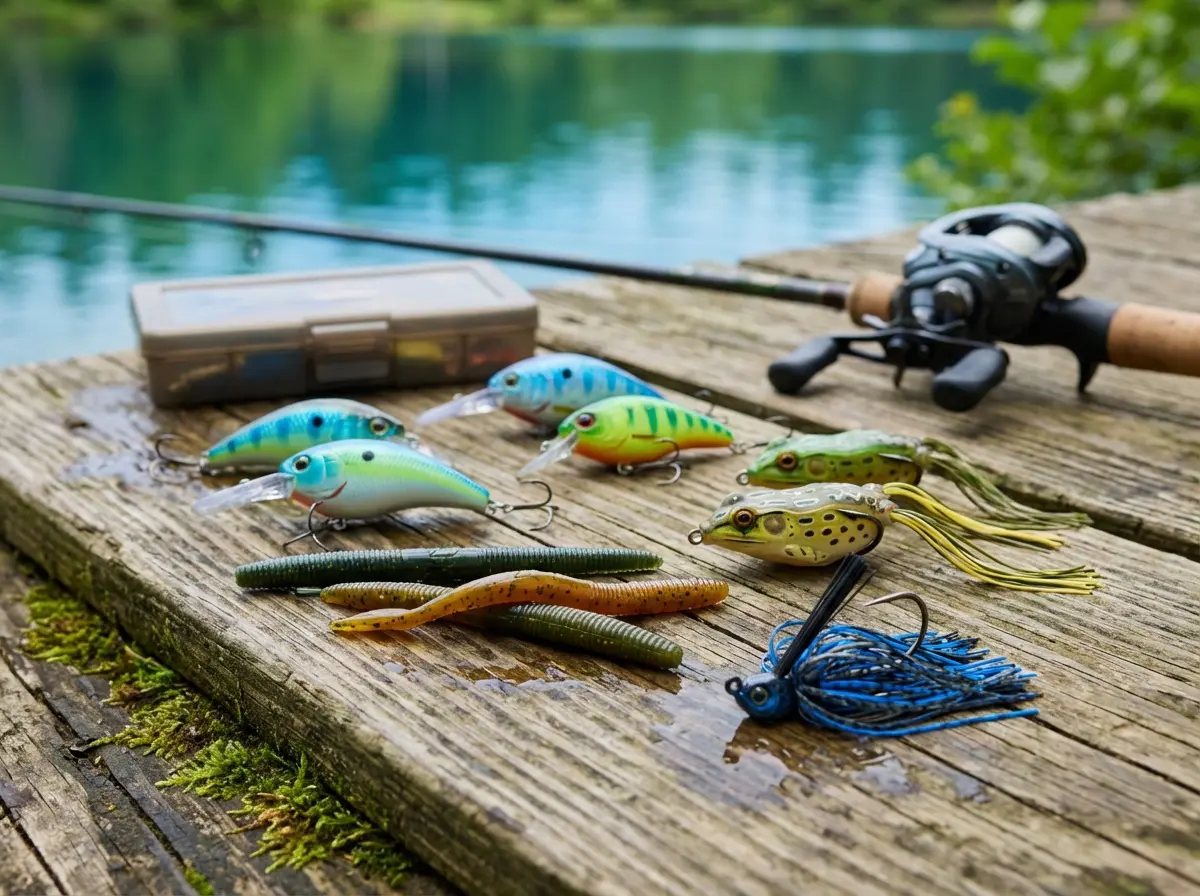
Anglers debate endlessly over the superiority of live bait versus artificial lures for targeting these coastal predators. Both approaches catch fish, but they require different strategies and terminal tackle setups to be effective. Live eels remain one of the most effective baits for targeting a big striped bass or a trophy-sized 50 pound striper because their natural movement is nearly impossible to replicate perfectly with plastic imitations.
Eels swim naturally in the water column and trigger aggressive strikes from large, lazy predators in deep water. Rig them on circle hooks to prevent deep hooking and facilitate safe catch-and-release practices. You can learn more about circle hook regulations through NOAA Fisheries guidelines, as using live bait often requires more preparation but can be the key to success on slow days.
When using artificial lures, you must match the hatch by imitating the local baitfish found in your area. Bucktail jigs are incredibly versatile and catch stripers in almost any environment or depth. Swimbaits with paddle tails generate realistic vibrations that draw fish out of heavy cover, allowing you to cover more water quickly to locate active schools of bass fish.
Topwater Tips and Surface Action
Nothing beats the adrenaline rush of a massive surface strike on a calm morning in the back bays. Topwater pencil poppers and spook-style baits create irresistible commotion that draws fish upward toward the surface. To maximize your success, retrieve these lures with a rhythmic, side-to-side walking action that mimics a wounded baitfish struggling on the surface.
Keep your rod tip pointed down and use short, sharp twitches to impart the correct action to your lure. These topwater tips work best during low-light periods like dawn, dusk, or heavily overcast days. When the water is glassy, a subtle presentation often outperforms a loud, aggressive one because stripers feel more comfortable hunting near the surface when the sun is not directly overhead.
If you notice a fish swipe at the lure and miss, do not stop your retrieve immediately. Maintain your cadence, as the fish will often circle back for a second, more accurate strike. Staying calm during a surface explosion is the mark of an experienced angler who has spent years perfecting their technique.
Proven Fishing Techniques for Different Water Conditions
Adapting your fishing techniques to the environment separates amateur anglers from seasoned veterans who study the water. You must analyze the current, water clarity, and depth before casting your line into the surf. In crystal clear water, fish become incredibly wary of heavy leaders and unnatural lure presentations, requiring you to switch to lighter fluorocarbon to remain undetected by sharp-eyed predators.
Fooling finicky stripers in these situations requires downsizing your tackle and slowing down your retrieve significantly. You must present the bait as naturally as possible to avoid spooking the school. Targeting these bass fish requires immense patience and precise lure placement to trigger a strike, as the difference between success and failure is often just a few inches in your casting accuracy.
Mastering the Fly Fishing Technique
Many anglers consider targeting striped bass on the fly to be the ultimate coastal challenge for any outdoorsman. This approach demands precision casting and a deep understanding of how currents affect your presentation. A standard fly fishing setup involves a 9-weight or 10-weight rod with an intermediate sinking line to allow for a very delicate presentation that can fool even the most pressured fish.
Clouser minnows and Deceivers are standard fly patterns that effectively mimic small baitfish in the water column. You must strip the line erratically to trigger a predatory response from passing fish. This is a highly specialized fishing technique that requires significant practice to master, but watching a large striper inhale a fly in shallow water is an unforgettable experience.
Watch your backcast carefully when fly fishing from a crowded boat. Heavy weighted flies can cause serious injury if they hit you or your fishing partner.
Deep Water and Bottom Bouncing
When the sun beats down, catching striped bass requires moving out to deeper ledges and drop-offs. Bottom bouncing with heavy bucktails or diamond jigs puts your offering right in the strike zone. Drop the lure straight down until you feel it make solid contact with the ocean floor before beginning your retrieve.
Reel it up a few cranks, then sharply lift and drop your rod tip to create a jigging motion. This method triggers reaction strikes from fish holding tight to deep water structures. Landing a big striped from the depths requires heavy drag and steady pressure, so be prepared for a long, grueling fight as the fish uses the deep current to its advantage.
How to Rig and Present Your Bait Effectively
Proper rigging determines whether your bait looks like a natural meal or an obvious trap to a predator. Even the most expensive lures will fail if they are tied improperly or retrieved unnaturally. You must present the bait at the correct depth and speed to mimic the local forage, as this attention to detail is what separates the high-liners from the rest of the fleet.
This requires constant adjustments based on the tide, wind, and the specific behavior of the fish. If you want to catch striped bass consistently, pay attention to the smallest rigging details. Small tweaks to your presentation often make the difference between a skunk and a limit, so always inspect your knots and leader for nicks after every encounter with a fish.
How to Rig for Striped Bass
Prepare the Fluorocarbon Leader
Cut a three to four-foot section of 40-pound fluorocarbon leader material. Connect this directly to your braided mainline using an FG knot or a double uni knot.
Attach Your Lure or Hook
Secure your lure or circle hook to the end of the leader using a Palomar knot or a non-slip loop knot. The loop knot is particularly effective for swimbaits as it allows for maximum movement in the water.
Final Inspection and Drag Setting
Check your knots by giving them a firm tug before casting into the surf. Ensure your drag is set correctly to handle the initial burst of a powerful fish without snapping the line.
Prime Locations: From Cape Cod to Long Island
Finding the best fishing spots often leads anglers to the legendary waters of Cape Cod. This region serves as a primary corridor for migrating schools, placing you smack dab in the path of trophy fish. Further south, the shores of Long Island offer diverse opportunities for striper fishing along rocky points and sandy inlets. Whether you are casting from the Monomoy flats or the Montauk surf, these areas remain world-class destinations for any water fish enthusiast. Success in these Cape Cod rips requires understanding how the current pushes bait against the shoals. Exploring the back bays of Cape Cod can also yield surprising results during the early spring months.
Seasonal Strategies: Adjusting Your Approach
As the seasons change, so must your tactics for locating bass fish in the surf. Spring brings the ‘schoolies’ into the estuaries, while autumn triggers the massive southward migration known as the ‘Fall Run.’ While some outdoorsmen might shift their focus toward deer hunting in the woods or preparing for ice fishing on frozen lakes, the striped bass angler remains focused on the coast. During the summer doldrums, you must fish at night or in very deep water to find active stripers feeding on nocturnal bait. Adjusting your schedule to match these biological clocks is essential for consistent success. The winter months may be quiet, but the anticipation for the first spring migration keeps the community engaged.
Overcoming Common Striped Bass Fishing Challenges
One of the most difficult hurdles is dealing with extremely crystal clear water during bright, sunny days. In these conditions, a big striped bass will easily spot heavy lines or unnatural lure movements. You must refine your tackle tips by using longer fluorocarbon leaders and smaller, more realistic profiles. Another challenge involves navigating heavy boat traffic in popular areas, which can spook fish away from the surface. Learning to find ‘pressure-free’ zones away from the fleet will often result in more productive outings for this elusive bass fish. Wind can also be a major factor, requiring heavier lures to maintain casting distance and control.
Conservation and Catch-and-Release Best Practices
Protecting the future of striper fishing is a responsibility shared by every person on the water. Using circle hooks when fishing with bait significantly reduces gut-hooking and increases the survival rate of released fish. Always keep the fish in the water as much as possible while removing the hook to minimize stress. Proper handling ensures that the population remains healthy for future generations of anglers to enjoy. Supporting local conservation groups helps maintain the delicate balance of our coastal ecosystems. We must act as stewards of the ocean to ensure these magnificent fish continue to thrive.
Conclusion
Mastering these striped bass fishing tips requires a combination of patience, observation, and the right equipment. By understanding migration patterns and refining your presentation, you can consistently land these powerful predators. Whether you are a seasoned pro or a novice, the thrill of the strike never fades. Get out on the water, respect the resource, and enjoy the incredible experience of chasing the silver king of the Atlantic. Every trip is an opportunity to learn something new about the complex behavior of these iconic fish.

- Understanding Pier Fishing for Beginners: Fundamentals and Strategy - September 10, 2026
- Why Connection Selection and the Right Fishing Knot Matters - August 10, 2026
- Understanding Topwater Lure Types for Successful Bass Fishing - July 10, 2026