
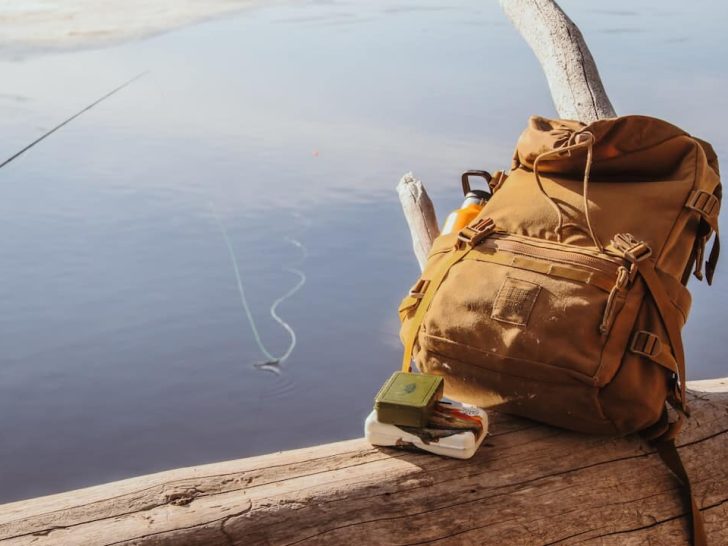
You stand at the water’s edge, ready for a full day of chasing trophy bass or trout. Your gear lies scattered across the bank, and frustration sets in before you even cast your first line. This scenario happens far too often to anglers ill-equipped for the journey.
The right fishing backpack changes this experience entirely. It transforms chaos into a streamlined system where every hook and lure has a home. Finding the best fishing backpack means balancing storage capacity, all-day comfort, and rugged durability.
Whether you prefer fly fishing in mountain streams or surf fishing on the coast, your pack must work as hard as you do. A great pack protects your valuable fishing gear from the elements. It also keeps you mobile so you can reach those secret spots others cannot.
Table Of Contents:
- Types of Fishing Packs: Finding Your Perfect Match
- Material Matters: What Your Pack Should Be Made From
- Storage Solutions: Organizing Your Fishing Arsenal
- Comfort Features You Can’t Ignore
- Capacity: How Much Do You Really Need
- Price Ranges and What You Get
- Special Features That Make a Difference
- Matching Your Pack to Your Fishing Style
- Conclusion
Types of Fishing Packs: Finding Your Perfect Match
Fishing packs come in several styles, each with distinct advantages. Your specific fishing style and the local environment will determine which type works best for you. Understanding these categories helps you make an informed decision.
Traditional Backpacks
Traditional fishing backpacks offer the most storage capacity for long excursions. These are ideal for anglers who carry multiple tackle boxes and bulky rain gear. You can fit everything needed for a full day or even an overnight trip.
Some models feature a separate main compartment for clothing and food. The bottom section often holds utility boxes. The Fishpond Thunderhead fits this category well, offering substantial space and protection.

Sling Packs
Sling packs provide single-shoulder convenience with rapid access to your gear. You simply rotate the pack around your body to grab what you need. This design eliminates the need to take the pack off while standing in the river.
Sling packs are excellent for active anglers who move constantly. They offer enough room for essential tackle bags and fly boxes. Many favor the ease of swinging the pack forward to change lures quickly.
Hip and Lumbar Packs
A hip pack or waist pack sits at your belt line, keeping your upper body free. This style reduces strain on your shoulders and back. It is a favorite among fly fishermen who need unrestricted arm movement for casting.
Lumbar packs often feature heavy-duty waist belts to support the load. They can hold several fly boxes and essential tools. This setup keeps your center of gravity low, which helps with balance while wading.

Chest Packs and Vests
Chest packs keep essentials right at your fingertips on your upper torso. Options sit high on your chest, making them perfect for deep wading. You can easily access your fly box without soaking your gear.
The traditional fishing vest is the predecessor to the modern chest pack. It offers many small pockets for detailed organization. Many guides still prefer this classic silhouette for its practicality and evenly distributed weight.
Material Matters: What Your Pack Should Be Made From
The fabric and construction of your fishing pack determine how long it will last. Cheap materials often fall apart after a season or two of regular use. You want a pack that withstands briars, hooks, and rocks.
Look for tough fabrics like a 1680D polyester material. Higher denier ratings indicate tougher fabric that resists tears and abrasion. The Evolution Outdoor Drift Series 3600 Tackle Backpack relies on this type of heavy-duty construction.
Water protection is another vital factor. Waterproof materials protect your gear from rain, splashes, and accidental dunks. TPU coatings and waterproof zippers seal out moisture completely.
Fully waterproof packs are essential if you wade deep or fish in torrential rain. They allow you to submerge the bag without ruining your phone or camera. A water-resistant build sheds light rain but may leak if submerged.
Breathable mesh on the back panel adds comfort during hot weather. This material allows air to circulate between the pack and your shirt. It prevents that uncomfortable, sweaty feeling during long hikes to your spot.
Storage Solutions: Organizing Your Fishing Arsenal
A fishing pack needs specific storage features to keep your gear organized. Random pockets rarely suffice when you are trying to find a specific hook size quickly. You need a system that makes sense for your workflow.
Tackle storage is the heart of any good pack. Look for designs that accommodate standard 3600 or 3700 size tackle trays. Some packs include these trays, while others provide empty slots for your existing ones.
The Drift Series tackle systems often hold up to four or more trays. This allows you to categorize your hard baits, terminal tackle, and jigs effectively. Excellent organization means you spend less time rigging and more time fishing.
Soft plastic baits can be difficult to store because the bags are slippery. Designated pockets or binders help keep these organized. This prevents them from spilling out into the bottom of your bag.
Fly anglers require different internal storage solutions. Packs with multiple zippered pockets work better for fly boxes, tippet spools, and leaders. Guide fly fishing professionals often look for specific dividers to separate dry flies from nymphs.
Tool storage is also critical for efficient angling. Dedicated spots for pliers, forceps, and line cutters keep these items ready. You should not have to dig to find a tool when you have a fish on the line.

Comfort Features You Can’t Ignore
An uncomfortable pack ruins your fishing trip faster than almost anything else. Sore shoulders and a sweaty back make even the best fishing spot feel miserable. Comfort allows you to stay focused and fish longer.
Padded shoulder straps are non-negotiable for heavy loads. Look for straps at least two inches wide with dense foam padding. Thin shoulder straps will dig into your skin after a few hours of hiking.
A padded back panel creates airflow and cushions your spine. Breathable mesh backing reduces sweat buildup on hot summer days. Some advanced packs include a ventilated frame that suspends the bag away from your back.
A sternum strap connects the shoulder straps across your chest. This simple feature prevents straps from sliding off your shoulders while casting. It also stabilizes the pack while you scramble over rocks.
Hip belts transfer weight from your shoulders to your hips. This becomes important with heavier loads or large capacity packs. A good waist belt has padding and adjustable straps to fit your body properly.
Highly adjustable suspension systems allow you to customize the fit. You can raise or lower the harness to match your torso length. This customization ensures the pack sits correctly and does not swing around.

Capacity: How Much Do You Really Need
Pack storage capacity depends on your fishing style and trip duration. A bag that is too small forces you to leave gear behind. A bag that is too large becomes cumbersome and invites you to carry unnecessary weight.
Day trips to nearby ponds usually need 15 to 25 liters of space. This gives you room for a few tackle boxes, water, snacks, and a light jacket. Reading the capacity on the tag helps you gauge if a pack fits this range.
All-day adventures or trips to remote locations require 30 to 40 liters. You will need space for extra tackle, food, first aid supplies, and layers. You might see specs listed as Volume Capacity, Capacity Dimensions on manufacturer websites.
Minimalist anglers who fish light can get by with 5 to 10 liters. Hip packs and small chest packs in this range work great for ultralight spinning. You are fully loaded with just the essentials and can move very fast.

Price Ranges and What You Get
Fishing backpacks range from budget options under $50 to premium packs over $300. The price often reflects the quality of materials and the warranty provided. It helps to check the regular price versus the sale price to find a deal.
Budget packs between $30 and $80 work fine for casual anglers. They typically offer basic organization and decent water resistance. These packs are a good entry point if you are just starting out.
Mid-range packs from $110 to $200 offer the best value for most people. You get higher quality zippers, better fabrics, and more comfortable carrying systems. Retailers like Tackle Warehouse often stock a wide variety of these reliable options.
Premium packs above $200 give you top-tier waterproofing and bomb-proof construction. Serious anglers who fish frequently find these waterproof packs worth the investment. They will outlast multiple budget packs and often come with excellent warranties.
Special Features That Make a Difference
Some fishing packs include extra features that seem small but prove useful on the water. These additions can make your day smoother and more enjoyable. They are often what separates a good pack from a great one.
Rod holders are fantastic for hiking to your spot. They allow you to strap extra fishing rods to the side of your pack. This keeps your hands free for trekking poles or climbing.
Integrated rod tube straps are a must for fly fishermen traveling with multi-piece rods. This feature secures your expensive gear during the hike. You can carry a backup rod without holding it.
Water bottle pockets or hydration bladder sleeves are essential for staying hydrated. Fishing can be physically demanding, and easy access to water is vital. Ensure the pockets are deep enough to hold a bottle securely.
Attachment points allow you to customize your setup with zingers and retractors. You can clip on line nippers, floatant, or a landing net. External points keep these frequently used items within arm’s reach.
Life jackets are safety essentials that some packs integrate or accommodate. If you are wading deep or fishing from rocks, wearing a PFD is smart. Make sure your pack works with your safety gear rather than against it.

Matching Your Pack to Your Fishing Style
Different fishing methods utilize different pack styles. What works for a guide fly angler will not necessarily work for someone throwing crankbaits. Tailoring your choice to your method improves your experience.
Fly fishing pairs exceptionally well with chest packs and waist packs. You need quick access to fly boxes and tippet while standing in the current. A sling pack is also a popular choice for its ability to stay high on the back.
Bass anglers often prefer a larger tackle backpack. They usually carry more bulky hard baits and trays of soft plastics. A backpack manages this weight better than a shoulder bag.
Surf fishing demands a pack that can handle saltwater spray and sand. Waterproof packs with corrosion-resistant zippers are mandatory here. You need enough capacity to carry heavy sinkers and large plugs.
Travelers heading to destinations like Costa Rica need versatile luggage. A pack that works as a carry-on but performs on the panga is ideal. Durability is key when you are thousands of miles from the nearest tackle shop.
You might witness the evolution of pack designs over time. Companies constantly refine their suspension systems and storage layouts. The Evolution Outdoor Drift Series is a prime example of this continuous improvement.
Ultimately, your fishing trips dictate your gear needs. A quick evening session requires less gear than a weekend expedition. Having the right tool for the job makes every cast more enjoyable.
Conclusion
Selecting the best fishing backpack involves more than just picking a color you like. It requires an honest assessment of your fishing habits and the gear you carry. The right choice will protect your equipment and save you energy.
Whether you choose a massive tackle backpack or a sleek lumbar pack, organization is the goal. You want to spend your time reading the water, not fighting with your zippers. Quality gear allows you to focus on the experience.
Invest in a pack that fits your body and your budget. Remember that features like water resistance and comfortable straps pay off in the long run. With the perfect pack on your back, you are ready for whatever the water throws at you.

- Understanding Pier Fishing for Beginners: Fundamentals and Strategy - September 10, 2026
- Why Connection Selection and the Right Fishing Knot Matters - August 10, 2026
- Understanding Topwater Lure Types for Successful Bass Fishing - July 10, 2026