
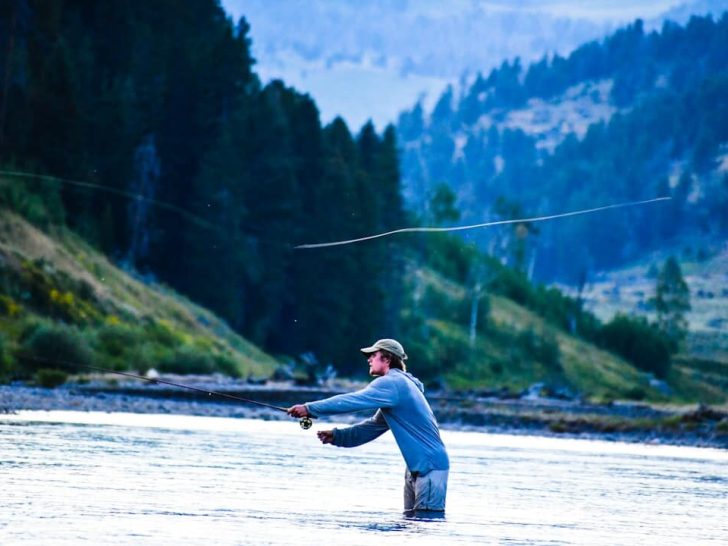
You keep hearing about fly fishing for beginners, and something in you lights up every time. You picture clear water, bending a rod, and feeling that first wild trout shake its head.
But then your brain goes straight to the gear, the knots, and the weird names for flies. It feels confusing, and you might have no idea where to even stand in the river.
This guide is for you if you want a clear, simple path into this sport without feeling like you need a degree in science. You will learn what fishing gear actually matters, where to fish, and how to cast.
Table Of Contents:
- Why Fly Fishing Hooks So Many Beginners
- What Makes Fly Fishing Different From Regular Fishing
- Core Gear You Need for Fly Fishing for Beginners
- How to Choose Flies for Your First Trip
- Basic Knots You Should Learn First
- How to Cast for The First Time
- Where Beginners Should Fish First
- Reading The Water And Presenting Your Fly
- Handling and Releasing Fish Safely
- Keeping Your Gear Working Longer
- Building a Simple Beginner Setup From Kits
- Conclusion
Why Fly Fishing Hooks So Many Beginners
Most people show up to their first lesson wanting to catch fish and leave surprised by how calm they feel. There is something about focusing on a simple cast that resets your brain.
You are listening to the water and watching a beginner fly drift in the current. It is a complete escape from the daily grind.
Many people find that standing in the river is a good reason to disconnect from technology. It forces you to be present in the moment.
What Makes Fly Fishing Different From Regular Fishing
Traditional fishing is usually about the weight of the lure or bait pulling the line out. With fly fishing, the line itself has weight and carries a very light fly to the target.
You are casting the line, not the fly. This specific fishing tackle difference is why the cast looks smooth and looping instead of a quick flick.
The heavy line loads rod energy, allowing you to shoot the lightweight lure forward. This is also why your gear list looks different than the spinning outfit you might already own.
It requires a different approach to fishing flies than simply drowning a worm. You have to actively manage the line on the water.

Core Gear You Need for Fly Fishing for Beginners
People blow a lot of money on stuff that sits in the garage. You do not need that to be a successful fly fisher. You just need a solid basic setup that helps you learn the cast and land fish.
The Basic Fly Rod and Reel Setup
Most new anglers do well with a nine-foot, five-weight rod for trout and panfish. A fly rod that size gives you reach, but it still feels easy to control.
When looking at fly rods, you will hear terms about action. Rod action describes how much the rod bends when you cast.
Fast-action rods are stiff and bend mostly at the tip. They are great for windy conditions or casting heavy streamers, but they can be unforgiving for learners.
Slow-action rods bend deep into the handle. They are fun for tiny flies but require a very slow casting stroke.
We recommend starting with a medium action rod. It offers a balance that helps you feel the line load without being too noodly.
You also need a reel. A simple fly reel that balances the rod is fine. You do not need an expensive drag yet.
However, paying attention to arbor size is helpful. Large arbor reels have a wider center, which helps retrieve line faster.
A large arbor also reduces line memory, so your line stays straighter. While standard arbor reels work, the larger ones are easier to use.
The reel mostly just holds the line, but a good drag helps when fighting fish that run hard. It protects your thin tippet from breaking.

Fly Line, Leader, and Tippet Explained
Your fly lines are thick, bright, and weighted. The line is the engine that drives your cast.
At the end of the fly line, you connect a clear tapered leader. This transfers energy from the heavy line to the light fly.
Many leaders follow a 60-20-20 ratio. This formula helps the line turn over smoothly.
The very end is called tippet. This is the thin line where you make your tippet connect to the fly. You can add more tippet as it gets shorter instead of throwing away the whole leader.
The Starter Flies That Actually Catch Fish
The fly bins at a fly shop look like candy. It is tempting to buy a handful of everything. You really do not need to overwhelm yourself with complex fly selections.
You should have a mix of dry fly patterns and wet flies. A parachute Adams is a classic dry fly that imitates many bugs.
Add a few soft hackle wet flies and maybe a woolly bugger or two. Now you have a box that will fish on almost any stocked trout pond or simple stream.
As you progress, you might get into fly tying to make your own creations. For now, buying a pre-made assortment is the best route.
Essential Accessories That Make Your Life Easier
There are a few small items that take the pain out of early trips. None are fancy, but you will miss them if you forget them.
You need a way to organize your fly fishing flies. Here are some basics to pick up with your first rod.
| Item | Why It Matters |
|---|---|
| Polarized sunglasses | Cuts surface glare so you see fish and protects your eyes. |
| Fly boxes | Keeps flies dry, organized, and out of your pockets. |
| Line nippers | Makes clipping tippet clean and quick instead of biting it. |
| Forceps or pliers | Helps remove hooks without hurting the fish or your fingers. |
| Simple pack or vest | Gives you a place to stash gear, snacks, and water. |
Chest waders and boots can come later if you want to fish bigger rivers often. For local ponds or shallow creeks, you can start in old shoes and quick-drying pants.
How to Choose Flies for Your First Trip
Matching the hatch sounds scary. Early on, you do not need to overthink it. Think in categories like adult insects or underwater food.
You want at least one nymph, one dry, and one simple streamer. This covers the different levels of the water column.
Sometimes you need larger flies to get attention in murky water. In clear water, you might need to use lightweight flies that land softly.

Nymphs, Dries, and Streamers
Nymphs represent insect larvae underwater. Most trout feed below the surface much of the day, so these are important.
Wet flies and nymphs are fished beneath the surface. Techniques like euro nymphing are popular for this, but you can start with a simple indicator.
Dry flies float and imitate adult insects. These are what you use when you see trout rising on top.
Streamers stand for baitfish, leeches, or even crayfish. These often trigger bigger fish, even on a slow day.
Weighted flies like heavy streamers sink fast. They are useful when fish are holding deep in pools.
A Simple Beginner Fly Box
For beginner fly fishing, a small handful of patterns in a couple of sizes goes a long way. Do not chase the perfect fly pattern on day one.
Instead, grab patterns known to catch fish often. Your local fishing guide would likely suggest these staples.
| Fly Type | Pattern Idea | Common Uses |
|---|---|---|
| Nymph | Hare’s Ear | Under surface in riffles, runs, and pools for trout. |
| Dry | Small Adams or Elk Hair Caddis | When fish are sipping on top in slower water. |
| Streamer | Woolly Bugger | Stripped through deeper water for active trout or bass. |
If you plan to nymph with two flies, that second fly can be weighted or not. You can see a nice photo example in this nymph rig layout.
Basic Knots You Should Learn First
Knots feel like a barrier for many beginners, but you really only need two or three to start. The most important thing is that they are tied clean.
You will want a good fishing fly to a tippet knot. You also need a way to connect your tippet to your leader.
Loop knots let a fly swing more freely, which makes streamers move in a lifelike way. The non-slip loop knot is a popular choice because it is strong.
Spend 10 minutes tying this knot with a thick line at home. You do not want to be struggling by the river with cold fingers.
How to Cast for The First Time
Casting is what scares most new fly anglers. People worry they will look silly or snag every bush on the bank.
You can fix a lot of early mistakes by changing how you think about the cast. It is about rhythm, not muscle.
The Feel of a Good Fly Cast
A fly cast is a smooth, timed motion. You lift the line, let it straighten behind you, then smoothly send it forward.
If you watch videos from experienced instructors, you will notice the relaxed grip. They are using the rod as a spring.
Stopping the rod high at the end of each stroke creates a tight loop. This keeps the line above the water behind you.
Proper timing allows the rod fly line system to work together. If you rush, the line piles up.
Field Practice Before You Touch Water
The fastest way to grow is to separate casting from fishing. That way, you are not worried about missing fish while you practice.
Take your rod to a grassy field and tie on a bit of yarn instead of a weight fly. Follow along with an online tutorial.
Ten to fifteen minutes of focused practice does wonders. It is better than a single long day where you thrash the water.

Where Beginners Should Fish First
Fly fishing gets more fun once you stop fighting bad spots. Your first trips should stack the odds in your favor.
Calmer water, easy access, and fish that are used to seeing people are your friends. Trout fishing in ponds is a great way to learn.
Beginner Friendly Spots
Slow ponds, small stocked lakes, and gentle streams are great starting points. You do not have to cast far, and wading is less risky.
Pick areas that are simple to access. Focus on edges and banks. Current seams and spots behind rocks are often trout feeding lanes.
You do not have to wade into the deepest water to reach them. Many times, you can catch water fish right near the bank.

Match those big dream spots with something close to home. There is likely a local pond or small stream nearby.
While many people focus on freshwater, saltwater fly fishing is growing, too. You can target redfish or stripers if you live near the coast.
Reading The Water And Presenting Your Fly
Once you can cast, the next step is putting the fly where fish actually eat. Many beginners cast right to the middle and ignore the best water.
Fish spend energy only when it pays. They want current bringing food to them with some kind of shelter nearby.
Learning to spot these areas helps you fish smaller, more productive pockets of water. It makes the river feel less overwhelming.
Simple Spots to Target
Look for seams where fast and slow water meet. Trout will often sit just inside the slow edge where they can grab passing food.
Eddies behind boulders or logs are another common spot. These pockets hold insects and give fish shelter at the same time.
Fish the water closest to you first before bombing long casts.
If you see a water fly hatch happening, look for fish rising in the soft water. They will often line up in these lanes.
Presentation Basics
For dry flies, you want a drag-free drift. That means your fly moves at the same speed as the current around it.
This requires delicate presentations so you do not spook the fish. A sloppy landing can scare them off.
For nymphs, watch the end of your fly line for any pause or twitch. Many takes feel like the fly simply stopped.
With streamers, mix short strips and longer pulls to see what fish want. This mimics a fleeing minnow or leech.
Even carp flies work best when presented softly. Carp are notoriously spooky and demand quiet casts.
If you want to add stealth to your approach, wear drab clothing. Bright colors can alert fish to your presence.
Handling and Releasing Fish Safely
You hooked your first trout. Now you want to treat it