
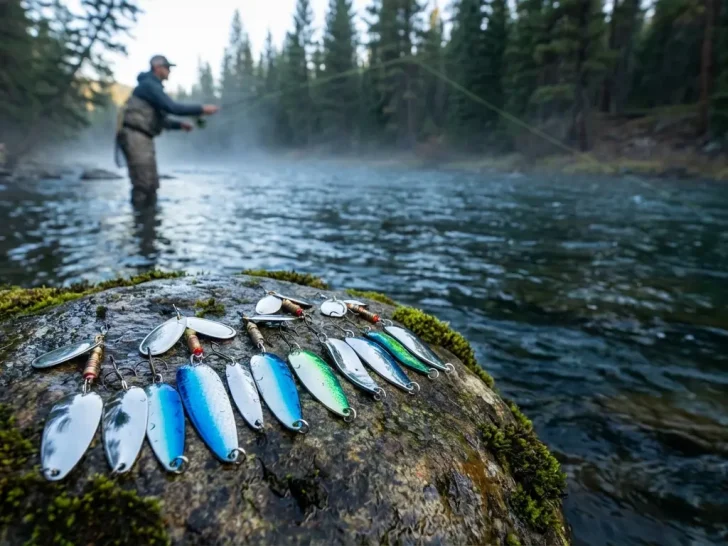
The adrenaline rush of seeing a massive school of fish turning the water into white foam is hard to beat. Birds dive from above while predatory fish smash bait from below. You stand on the edge of the water with your rod in hand, determining which of the best lures for salmon will yield the most success today.
Salmon are aggressive visual predators that respond well to fast-moving objects. They hunt in packs and compete with each other for food. This behavior makes them an ideal target for lure enthusiasts.
However, they can also be incredibly fussy depending on the size of the baitfish they are feeding on. You must match the hatch to trigger a strike.
This guide breaks down the best lures for salmon to add to your tackle box. We will look at metal slugs, surface poppers, and soft plastics. We will also discuss the specific techniques required to fool these hard-fighting pelagic species.
Best Lures for Salmon: Metal Slugs and Distance Champions
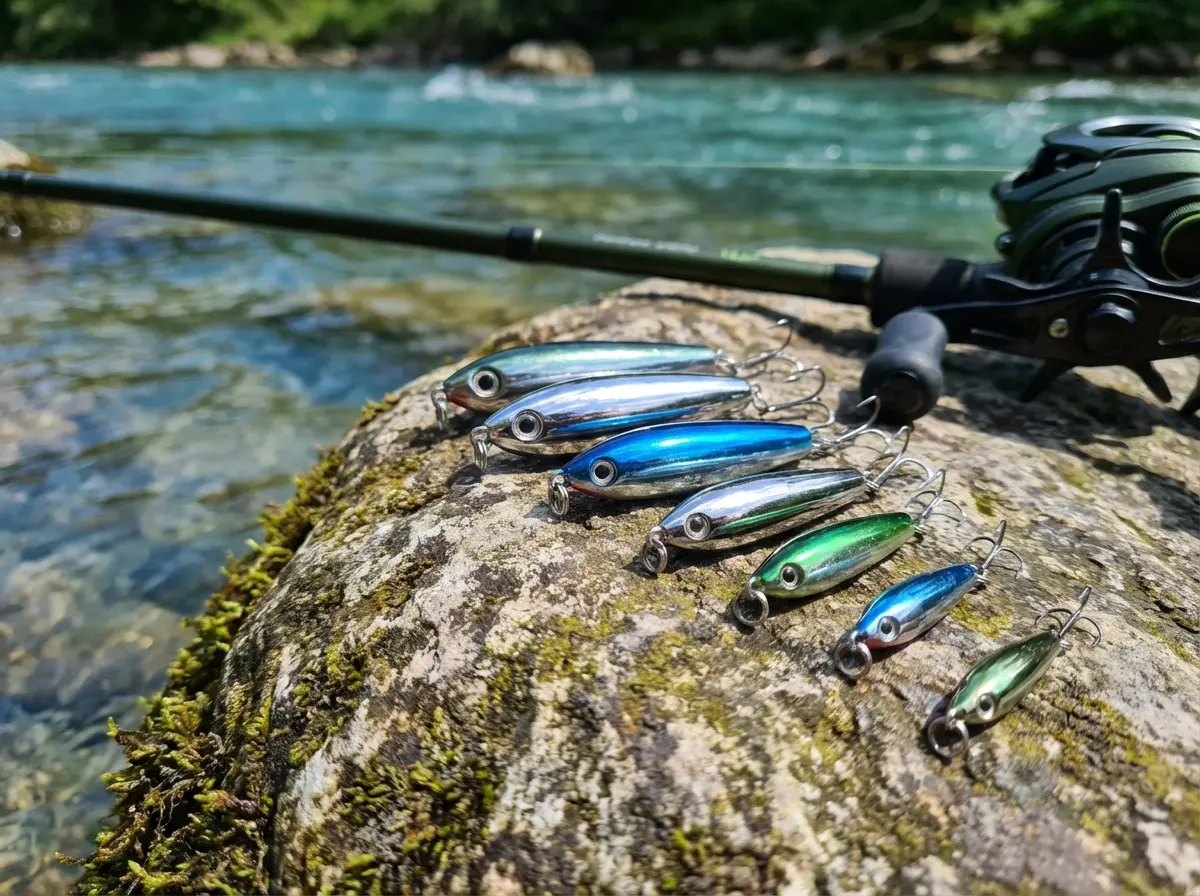
Metal slugs are arguably the most versatile and essential items for this style of angling. Their dense construction allows you to cast longer distances than almost any other profile. This is critical when schools are feeding just beyond the breakers.
When you need a long cast to reach breaking fish, these heavy metal options are unparalleled. You need a lure that cuts through the wind and lands right in the action. A standard fishing lure made of plastic often falls short in strong headwinds.
The Halco Twisty stands out as a legendary option in this category. It features curved ends that create a distinct fluttering action on the drop. This motion mimics a wounded baitfish sinking to the bottom.
You can retrieve it at high speeds to skip across the surface. Alternatively, you can let it sink and jig it vertically in deeper water.
Most anglers prefer metal lures ranging from 20 to 60 grams. The size you choose depends on your rod rating and the size of the bait. Small metals match tiny anchovies, while larger profiles mimic pilchards or mullet.
The flash from the chrome finish attracts fish from a wide area. It triggers a reaction bite even when the fish are not actively feeding.
Swap out the treble hooks on your metal lures for single inline hooks. This keeps the fish on the line better during their acrobatic jumps. It also makes releasing the fish much easier and safer for your hands.
Speed is your friend when using metals for Australian salmon. These fish are incredibly fast and enjoy chasing down fleeing baitfish.
A slow retrieve often gives them too much time to inspect the offering. Crank the handle quickly to induce an aggressive strike. This technique is especially effective from surf beaches or rock walls.
- Metal lures provide superior casting range for reaching distant schools.
- The Halco Twisty offers a versatile action that works on both fast retrieves and the drop.
- Speed is crucial; a fast retrieve triggers reaction strikes from predatory fish.
Topwater Excitement with Poppers: A Key Fishing Lure
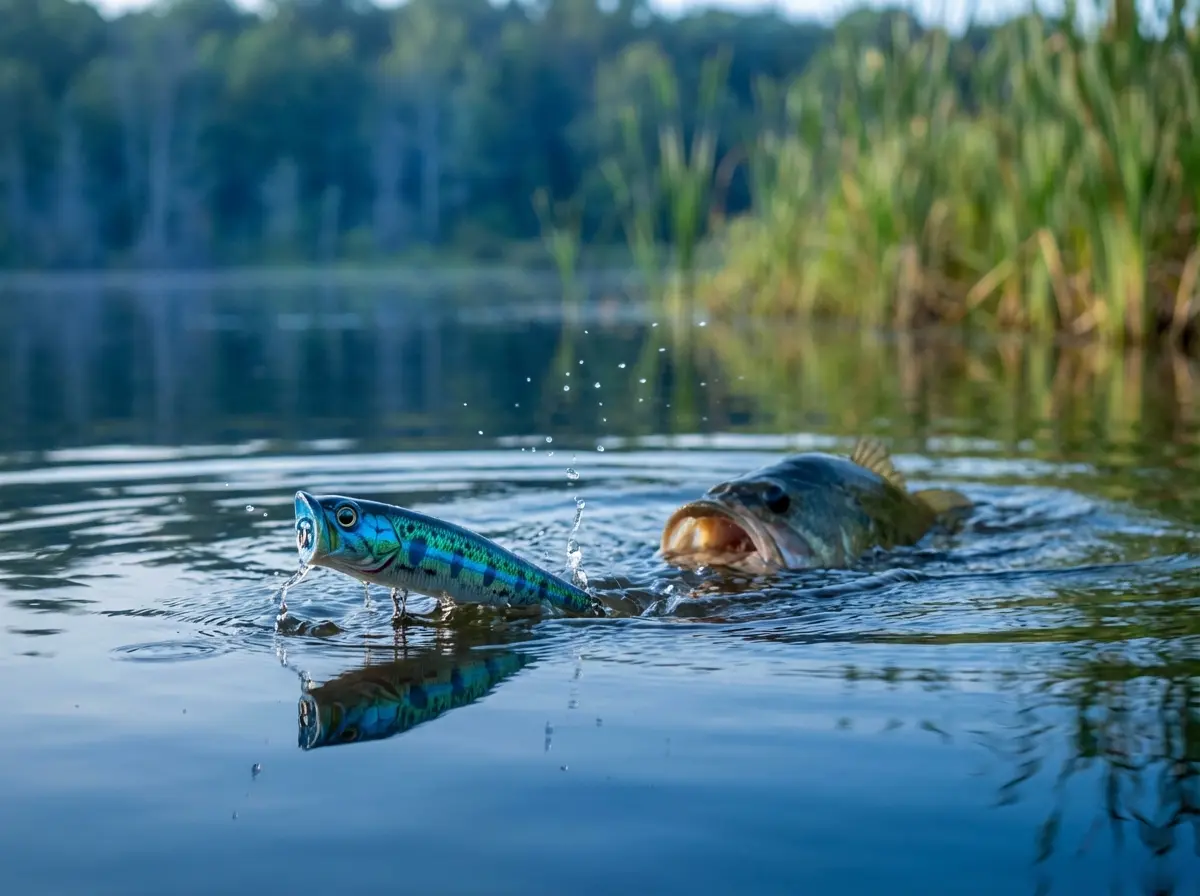
Few methods compare to the visual thrill of catching fish on topwater. Surface lures create a commotion that draws predators up from the depths.
This style of fishing is most effective during low-light periods like dawn or dusk. It also works well when you can visibly see schools pushing bait to the surface.
The Halco Roosta Popper is an industry standard for this application. Its cup-faced design pushes a large amount of water with every sweep of the rod. This creates a loud “bloop” sound and a bubble trail. The noise mimics a distressed fish struggling on the surface.
You should vary your retrieval cadence until you find what works.
A standard retrieve involves a sweeping motion of the rod followed by a pause. The Roosta Popper sits tail-down in the water during the pause. This stationary moment is often when the fish decides to smash the lure.
Watch your line closely for any movement.
The Halco Roosta comes in various sizes to match different bait profiles. A 105mm size is generally a great starting point for big salmon.
These lures are built tough to withstand repeated strikes. Ensure you keep your rod tip down while working the lure to maintain contact with the water.
Hard Body Minnows and Trolling
Hard-body minnows offer a different presentation that is highly effective for both casting and trolling. These lures feature a bib at the front that dictates their diving depth. They possess a tight vibration that fish can feel through their lateral lines. This makes them excellent for dirty water or when fish are holding deeper.
The Halco Laser Pro is famous for its durability and action. It is constructed to handle the crushing jaws of strong saltwater species. You can cast this lure into the wash or troll it behind a boat.
The Halco Laser series offers interchangeable bibs on some models, giving you two depth options in one lure.
Another innovative option is the Nomad Squidtrex. This is a soft vibration lure that mimics a squid.
While technically different from a hard body, it fishes similarly in vertical applications. It is deadly when dropped to the bottom and lifted aggressively. The realistic tentacles add a level of visual appeal that triggers bites.
Lure fishing with hard bodies requires attention to your leader. These fish have abrasive teeth that can wear down light lines. Use a heavier fluorocarbon leader to prevent bite-offs.
A loop knot connecting to the lure allows it to swim freely with maximum action.
Finesse Fishing with Soft Plastics
Sometimes the fish are feeding on very small bait and refuse to eat large metal or hard lures. This is where a soft plastic presentation shines.
Soft plastics offer a realistic texture and a natural swimming action. They look and feel like real food to a wary predator.
The Keitech Easy Shiner is a prime example of a productive paddle tail plastic. The material is soft and scented, which encourages the fish to hold on longer.
You can rig these on a variety of jig head weights. A lighter jig head allows for a slow, natural sink rate.
You need to impart action into the plastic with your rod tip. A “hop and drop” technique works well.
Cast the soft plastic out and let it sink to the desired depth. Lift your rod tip sharply twice, then let the lure swim back down. Most hits occur on the drop, so keep a semi-tight line.
Using soft plastics often requires lighter fishing tackle than heavy surf casting. A 7-foot graphite rod with a 3000-size reel is ideal.
This setup allows you to cast light jig heads a reasonable distance. It also provides the sensitivity needed to feel subtle bites.
Surf Poppers and Beach Tactics
Surf fishing presents a specific set of challenges due to waves and currents. You often need to hold your bait in a specific zone while dealing with the wash.
A classic method involves using a paternoster rig with a heavy sinker. This rig anchors your line while allowing a lure to flutter in the current.
The surf popper is a specialized lure designed exactly for this purpose. It is a small foam popper that floats off the bottom. You attach it to one of the dropper loops on your rig. The current moves the popper around, giving it life without any effort from you.
Many anglers combine bait fishing with artificials by using a surf popper on the top dropper and bait on the bottom. This covers all bases.
You might catch salmon on the bait one cast and on the popper the next. Blue and white are traditional colors that have worked for decades on surf beaches.
Rig lures like these are simple but devastatingly effective. They mimic small crustaceans or baitfish struggling against the current.
You can buy them at any local tackle store near the coast. They are inexpensive and durable enough to handle multiple fish.
Choosing the Right Gear
Selecting the correct fishing rod is vital for casting heavy lures into the wind. A dedicated surf rod usually measures between 9 and 12 feet in length.
This length provides the leverage needed to cast long. It also helps keep your line above the breaking waves.
For boat or estuary fishing, a shorter spinning rod is more appropriate. A 7-foot rod rated for 4-8kg line covers a wide range of scenarios.
You want a rod with a fast action tip for working lures but plenty of power in the butt section. This power helps you turn the fish when it runs.
Your reel should be matched to the rod and spooled with quality braided line. Braid has zero stretch, which improves your casting distance and hook-setting power.
A high-quality reel with a smooth drag system is essential for long casting performance and managing powerful runs. A 4000 or 5000 size reel balances well with most fishing rods targeting this species. Brands like Jarvis Walker offer accessible options that are rugged enough for saltwater use.
Spinning lures require a reel with a decent gear ratio. A high-speed reel picks up line quickly.
This is helpful when a wave pushes your lure toward you. It helps you maintain tension and contact with the lure at all times.
- Use a long surf rod (9-12ft) to maximize casting distance from the beach.
- Surf poppers on a paternoster rig are effective for passive fishing in currents.
- Braided line is essential for sensitivity and hook-setting power at range.
Conclusion
Success in salmon fishing comes down to observation and adaptation. You need to read the conditions and select the salmon lure that best fits the situation.
Having a variety of options in your tackle box ensures you are ready for anything. Every fishing lure in your kit serves a specific purpose, whether you are targeting surface-feeding schools or deep-dwelling predators.
Visit your tackle shop and stock up on these proven performers. Remember that large schools move quickly, so you must be ready to move with them.
Practice your casting to ensure you can reach the zone where the fish are holding. With the right fishing lures and a bit of persistence, you will find yourself hooked up in no time.
The thrill of a fish hitting your lure is what keeps us coming back. Whether you are on a boat or standing in the surf, the strike is always electric.
So rig up, get out there, and cast lure after lure until you find success. The next big catch is just a cast away.
