
Most anglers ignore their gear until something goes wrong, yet learning how to clean a fishing reel is essential for performance.
You spend hundreds on a high-quality fishing reel, but you leave it in the garage gathering dust and grime.
Salt, sand, and old grease are the primary enemies of smooth performance, and even fresh water contains minerals that build up. If you fish in salt water, the risk of corrosion multiplies instantly, making regular care vital to prevent internal damage.
A gritty drag can ruin a day at your favorite fishing spots, so proper maintenance extends its lifespan significantly.
You do not need to be a professional mechanic to perform a basic service at home. This guide breaks down the process into manageable steps for everyone.
We will walk through the tools you need because your fishing rod and reel deserve this level of attention.
Essential Gear: Gathering Your Cleaning Supplies
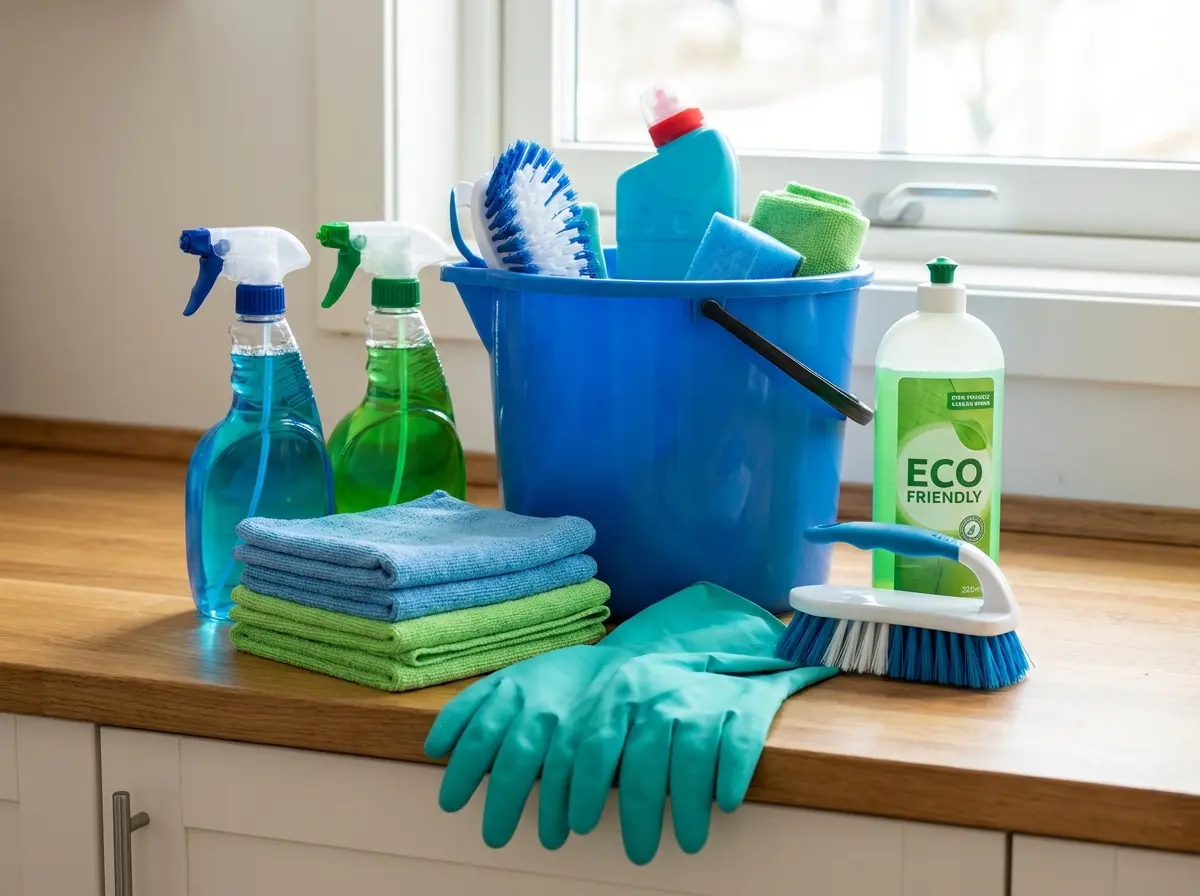
You need the right tools before you start taking things apart because using the wrong chemicals can damage your fishing gear.
A basic kit does not cost much and lasts for many seasons, providing excellent value for the dedicated angler. While many items are available at home, visiting a dedicated reels shop ensures you acquire professional-grade cleaners and lubricants.
Start with a clean workspace that has good lighting and lay down a clean cloth to catch any small screws.
You will need a small screwdriver set, a toothbrush, and a spray bottle filled with fresh water for cleaning. Do not use a high-pressure hose, as it forces water into the gearbox and causes internal damage.
Lubrication is critical for the moving parts inside the body, so you need specific reel oil for the bearings. Do not use standard automotive grease because it is often too thick and hardens in cold weather, impeding the action.
Many manufacturers sell kits that include both oil and grease, and you might also want some cotton swabs.
- Use specific reel oil and grease, not automotive alternatives.
- Prepare a clean, light-colored workspace to track small parts.
- Avoid high-pressure water sources that force dirt deeper.
Safety First: Preparation and Safety Steps
Safety for your reel starts with the drag system, so before you apply any water, tighten the drag knob fully. This action compresses the drag washers and stops water from intruding into the drag stack, where it causes damage.
Water inside the drag system causes jerky performance and can ruin the felt or carbon washers over time.
Remove the reel from the rod to clean the reel seat thoroughly because dirt often accumulates where metal meets rod. If you have been fishing in salt, a quick rinse with warm water helps dissolve salt crystals before corrosion starts.
Do not submerge the entire reel in a bucket as this forces water into the gear case and displaces grease.
Step-by-Step Cleaning Process: How to Clean a Fishing Reel
This section focuses on a standard spinning reel, which is the most common tool for many anglers today. The principles apply broadly, but the specific parts might vary slightly depending on the brand and model you own.
Fishing reel cleaning requires patience and a gentle touch to ensure no small components are lost or damaged. Follow these steps to get your reel clean and ready for action on your next outing.
How to Service Your Spinning Reel
Rinse and Dry the Exterior
Tighten the drag and gently mist the reel with fresh water. Use a soft cloth to wipe away salt and grime. Let it air dry completely before opening any components.
Clean the Spool and Drag
Remove the drag knob and take the spool off the main shaft. Wipe the underside of the spool and the shaft itself. Check the drag washers for wear.
Lubricate Key Points
Apply one drop of oil to the main shaft, the handle knobs, and the bail arm hinge. Place a drop on the line roller bearing to keep it spinning freely.
Reassemble and Test
Put the spool back on and tighten the drag knob. Spin the handle to distribute the oil. The reel should feel smooth and quiet.
Casting Precision: Specifics for Baitcaster Reels
A baitcaster reel has different requirements compared to a spin reel, and the level wind system is critical.
This worm gear moves back and forth constantly and collects debris easily, which can lead to casting issues. You should clean the worm gear with a toothbrush and apply a light grease to maintain smooth movement.
Accessing the spool bearings often requires opening the side plate, so be careful with the side plate locking mechanism.
Once open, place a single drop of oil on the spool bearings to ensure they spin at maximum velocity. Do not over-oil these bearings, or you will reduce casting distance and create a mess inside the housing.
Keep the braking race clean and dry for consistent casting control throughout your fishing trip.
Dip a cotton swab in alcohol to clean the level wind worm gear before applying fresh grease. This removes old, sticky sludge effectively. Ensure the gear is dry before adding new lubricant.
Restoration Parts: Ordering Replacement Parts
Sometimes regular cleaning reveals broken parts, and you might need new bearings or a replacement handle to restore function.
Major brands like Daiwa or Shimano provide online portals for purchasing specific components, sometimes including free delivery for bulk maintenance orders.
When you visit a site to shop for reels online, pay attention to the schematic diagrams that illustrate the assembly. You will often see a label on the diagram that corresponds to a part number in the list. This helps you identify exactly which screw you need, and you might find a promotion with a checkbox label.
When filling out forms, a double checkbox label might appear; just be sure you select the correct options. Having a stockpile of spare washers and clips makes reel maintenance much less stressful for any dedicated angler.
Critical Errors: Common Maintenance Mistakes
Many anglers accidentally damage their gear, and the biggest mistake is using WD-40 or similar penetrating sprays. These solvents strip away factory grease and leave gears unprotected while drying out plastic and rubber components.
Stick to products designed specifically for fishing reels to ensure the longevity of your expensive equipment.
Another error is leaving the drag tight during storage, which compresses the washers and ruins the drag’s pressure. Always loosen the drag knob after your trip and avoid leaving your gear in direct sunlight or cars. Extreme heat can cause the grease to separate and run out of the gears, leading to mechanical failure.
Dunking the reel in a bucket of water is a bad idea, so we recommend spraying it gently instead. Submerging forces water into the bearings, which then rusts from the inside out and ruins the internal components.
A sparkling clean exterior does not matter if the insides are rusted solid, so proper technique is vital.
Never use degreaser on the entire reel unless you plan to completely strip and rebuild it. Degreaser will ruin bearings if not rinsed out 100%. Always apply chemicals sparingly to avoid damaging sensitive seals.
Seasonal Care: Proper Storage Techniques
After you clean fishing reel components, how you store them matters because fishing storage should be dry.
If you store your gear in a damp garage, you invite moisture to attack the metal and cause oxidation. A rod rack inside the house is the best option for longevity and protection from the elements.
For long-term storage, consider removing the reel from the rod to prevent the reel seat from seizing. You can put a reel cover on to keep dust out, especially if you own a Daiwa BG.
Keeping your gear clean and fishing-ready means you can grab it and go whenever the fish are biting.
- Loosen the drag knob before storing to preserve washer life.
- Store reels in a cool, dry place away from direct heat.
- Remove reels from rods during the off-season to prevent corrosion.
Conclusion
Taking care of your fishing reel does not have to be a chore, as a few minutes will prevent rust. This routine keeps your reel running smoothly for years, and you do not need to be a mechanic. Simple steps like rinsing with fresh water and applying oil make a massive difference in the gear’s life.
Remember that preventative maintenance is cheaper than buying new gear, so following these helpful fishing tips protects your investment.
Now that your equipment is ready, you can focus on the catch rather than fighting a seized bearing.