
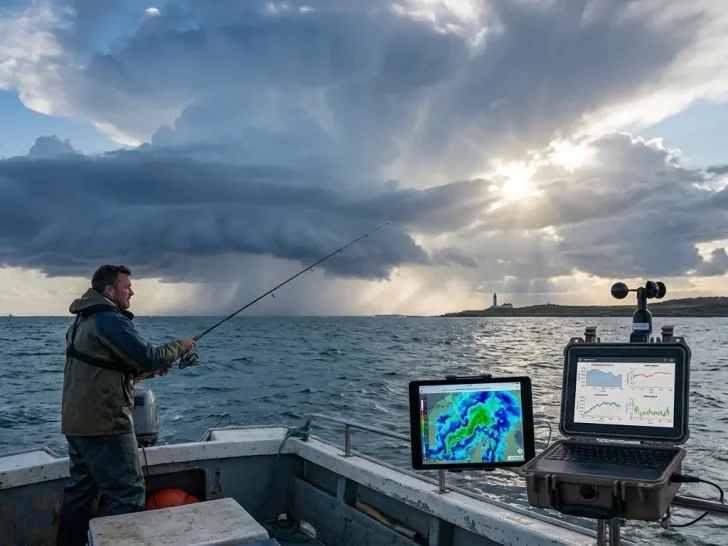
Every seasoned angler understands the profound frustration associated with casting for hours without encountering a single significant bite. You check your gear, change your bait, and move to different locations without achieving any measurable success. Identifying the best weather for fishing often reveals that the secret lies not in your equipment, but in the sky.
Understanding the elements helps you predict exactly when fish are most likely to strike with aggressive intent. We will examine how weather conditions dictate aquatic behavior across various diverse and challenging environments. You can transform a quiet day on the lake into an action-packed experience by reading the subtle skies.
Meteorology and The Science Behind Fishing Weather
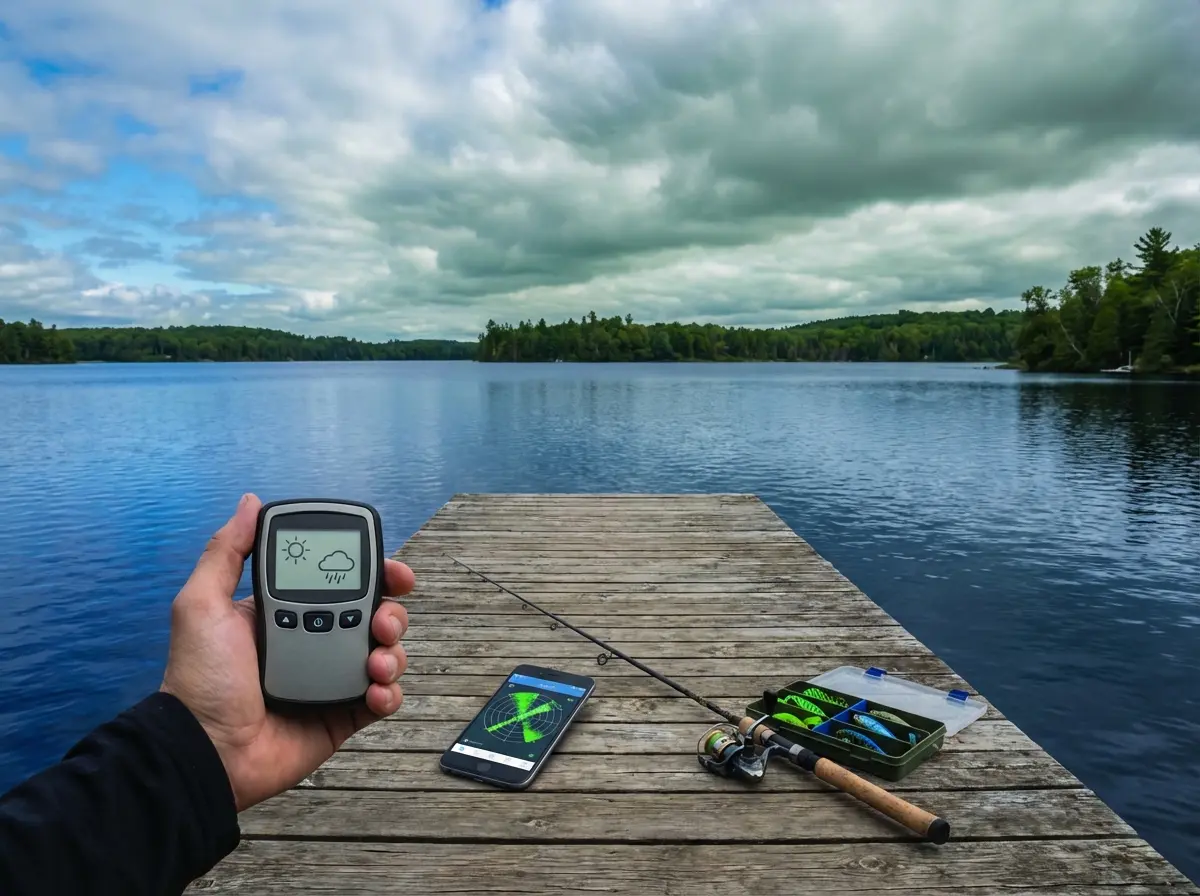
Fish are highly sensitive creatures that react constantly to their environment, often sensing subtle changes in pressure long before humans. A sudden weather change forces them to alter their depth and feeding routines with immediate and noticeable urgency. You must monitor the weather forecast closely before planning your next outing to ensure you target active feeding windows.
The most productive fishing happens right before a major front moves through the area with significant atmospheric force. Dropping pressure signals to fish that they need to feed heavily before conditions worsen and activity levels drop.
Understanding these weather patterns gives you a massive advantage over the casual weekend angler seeking a quick catch.
How Barometric Pressure Influences Fish Activity
The weight of the atmosphere pressing down on the water directly impacts fish biology and internal pressure regulation. Low barometric pressure allows a fish’s swim bladder to expand slightly, which reduces pressure on their sensitive stomach. This physical relief often causes fish activity to increase dramatically across the entire body of water during the drop.
Once a high-pressure system settles in, that pressure forces them deeper into heavy cover for protection and stability. They become lethargic and ignore even the most tempting live bait presented to them by an unsuspecting angler. You should plan your fishing trip around these falling pressure windows for maximum action and consistent results.
The Crucial Role of Water Temperature
Fish are cold-blooded animals whose metabolism depends entirely on their surrounding environment and the ambient water temperature. Water temperatures dictate how much energy they expend and how often they need to eat to maintain health. Finding the right water temperature means finding active fish willing to chase your lures with predatory aggression.
During the heat of summer, surface waters often become too warm for most species to inhabit comfortably. They seek refuge in deeper, cooler water where oxygen levels remain much higher and more suitable for survival. You will find that monitoring these thermal layers dramatically improves your overall fishing success throughout the warmer months.
- Falling barometric pressure triggers aggressive feeding behavior in most fish species.
- Fish metabolism and energy levels are directly controlled by the surrounding water temperature.
- Monitoring weather forecasts helps you predict the most active feeding windows.
Optimal Patterns: Analyzing the Best Fishing Time
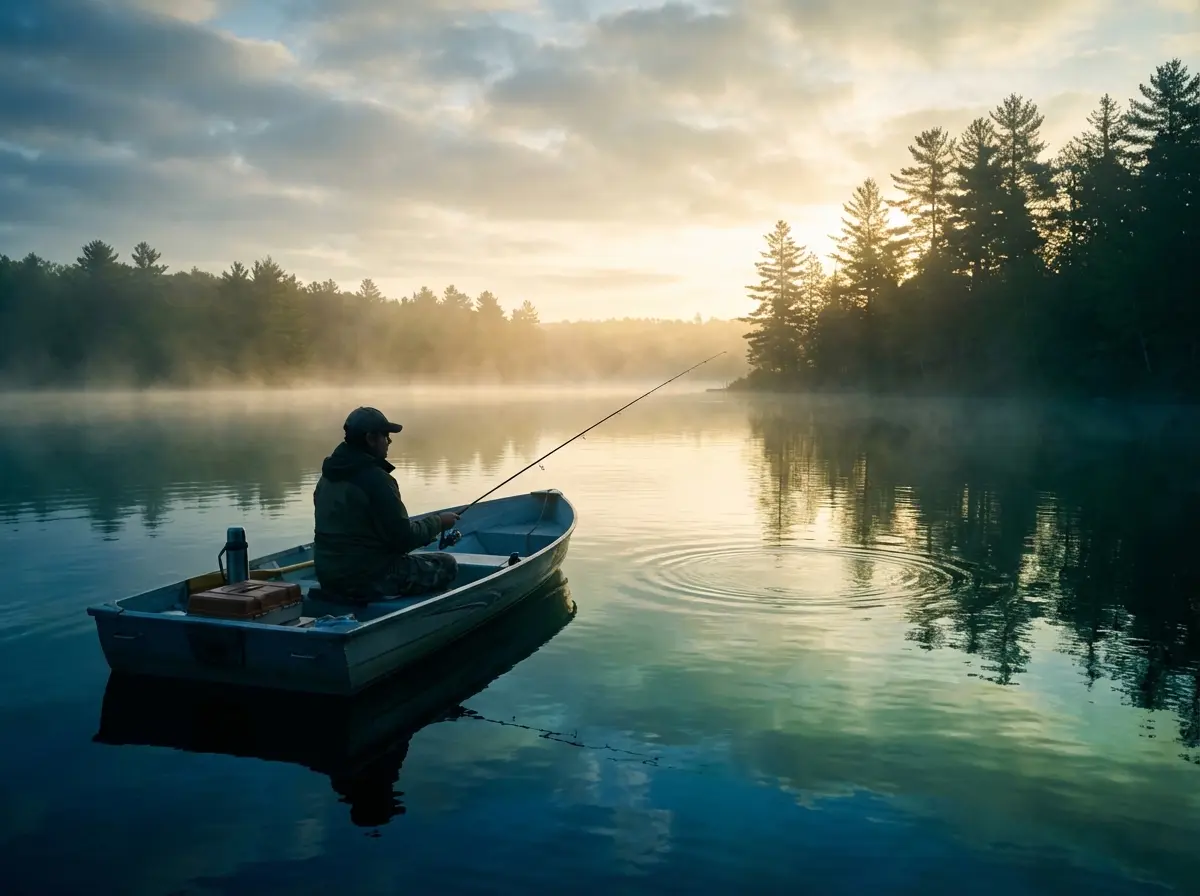
Timing your arrival at the water often matters just as much as your specific geographic location or choice of lure. Fish operate on complex biological clocks driven by sunlight, water conditions, and the availability of various food sources. Choosing the right fishing times and identifying peak feeding times requires a solid understanding of these natural daily rhythms.
You want to align your efforts with the periods when fish naturally hunt for food. Many anglers fail because they simply fish when it is most convenient for their personal daily schedule. True success requires discipline and a willingness to be on the water during prime feeding windows.
Morning vs. Evening Bites
The first few hours of daylight consistently produce some of the most reliable action for dedicated morning anglers. Low light levels give predator fish a distinct advantage over their prey in the shallow, oxygen-rich waters. This early period also helps you avoid heavy boat traffic that spooks fish later in the bright day.
As the sun sets, a similar window opens up for the evening bite as shadows stretch across the water. The fading light conditions trigger feeding once again as the water cools down slightly from the midday heat. These low-light periods represent the ultimate sweet spot for targeting large, aggressive trophy fish in their natural habitat.
Maximizing Your Fishing Time During Overcast Skies
A bright sunny day might look beautiful, but it often makes fishing significantly harder for the average person. Intense sunlight forces fish deep into heavy cover to protect their eyes from the harsh and blinding glare. Overcast conditions block this harsh light and encourage fish to roam freely across open water in search of prey.
You can extend your productive fishing time well into the afternoon when clouds obscure the bright sun. The diffused light makes your artificial lures look much more natural to wary predators patrolling the area. Cloudy days truly represent some of the perfect fishing weather you can encounter during the season.
Switch to brighter, highly visible lure colors during heavy overcast conditions. The reduced light penetration makes natural, muted colors much harder for fish to locate from a distance.
Seasonal Shifts: How Seasonal Weather Factors Affect Fish Behavior
Every changing season brings a completely new set of rules for anglers to follow and master for success. The transition between seasons often creates massive shifts in where fish choose to live and hunt for food. Understanding how these seasonal factors affect fish migrations helps you stay one step ahead of the competition.
Spring and Summer Patterns
Springtime offers incredible opportunities as warmer temperatures wake up dormant aquatic ecosystems across the entire country. Fish move out of their deep wintering holes and push aggressively into shallow flats to find food. This transition period provides excellent chances to catch a number of active, hungry fish in very shallow water.
As summer heat arrives, the strategy must shift to accommodate the rising thermal stress on the fish population. Fish will actively feed during the coolest parts of the day or throughout the night hours. Night fishing becomes an incredibly effective tactic during the dog days of late summer when the heat is extreme.
Fall and Winter Strategies
Autumn triggers a biological alarm clock that increases fish feeding across most bodies of water in the region. The cooling water pushes baitfish into large schools, making them easy targets for predators seeking a meal. You can experience incredible action by locating these massive bait balls during your outings on the lake.
Winter fishing requires patience because cold water slows down the metabolism of every freshwater fish in the system. You must slow your presentations down and place lures right in front of their faces for a strike. While the bites are fewer, winter often produces the heaviest catches of the entire year for dedicated anglers.
Atmospheric Variables: Essential Elements of Perfect Fishing Weather
Finding the ideal day on the water requires balancing multiple atmospheric variables simultaneously for the best results. Perfect fishing conditions rarely last long, so you must strike while the iron is hot and active. A light chop on the water surface helps break up light penetration and hides your presence from fish.
This surface disturbance makes fish less cautious and more willing to investigate your offerings with curiosity. You should always monitor the wind direction, as it pushes bait against specific shorelines and structures. Fishing the windward side of a lake often yields the highest concentration of active predators in the area.
Wind and Rain Conditions
A steady, light rain is arguably the best condition for an action-packed day on the open water. Rain oxygenates the surface water and breaks up the surface tension, providing excellent cover for the fish. Heavy downpours, however, can muddy the water and ruin your carefully chosen fishing spots for the day.
Wind plays a critical role by creating currents that dictate how different species feed in the water. These currents stack baitfish against points and underwater structures, creating natural ambush zones for large predators. Mastering these weather factors will dramatically improve your ability to locate and catch fish in any condition.
Tracking the Moon Phase and Tidal Movement
The moon phase exerts a powerful gravitational pull that dictates fish behavior in both fresh and saltwater environments. A full or new moon often triggers major spawning events and intense feeding activity across the globe. These lunar periods align with the strongest tidal movement and prime fishing times along our coastal waterways.
Moving water is essential for saltwater fishing because it carries bait past waiting ambush predators in the current. Stagnant water usually results in poor catches, regardless of how good your technique might be that day.
Combining favorable lunar cycles with moving tides creates the ultimate scenario for a successful and productive trip.
How to Prepare for Your Next Outing
Check Local Regulations and Forecasts
Verify that your fishing license is current and review the hourly weather forecast. This guarantees a legal and safe fishing experience for everyone involved.
Prepare Your Equipment
Inspect your fishing gear for any wear and tear from previous trips. Tie fresh fishing knots to prevent losing a big catch to weakened line.
Execute Your Strategy
Arrive at your chosen location early and begin targeting areas based on the current wind and light patterns.
Adapting Your Strategy for Different Environments
Every body of water features distinct characteristics that demand specific approaches and techniques for consistent success. You cannot expect a tactic that works in a mountain stream to succeed in a coastal bay environment. Anglers must read the water and adjust their methods based on the current conditions they encounter.
Freshwater vs. Saltwater Tactics
Freshwater fishing usually focuses on pinpointing structural elements like drop-offs, weed beds, and various types of submerged timber. Lakes and rivers heat up and cool down much faster than the vast and deep ocean waters. This rapid temperature change means freshwater species react quickly to passing weather fronts and pressure shifts.
Conversely, ocean anglers must track tides to locate estuary species and offshore pelagics in the deep blue. Targeting deep reef fish requires a completely different understanding of ocean currents and subtle barometric changes. You must adapt your mindset depending on which environment you choose to fish.
Adjusting Fishing Gear and Techniques
Your equipment choices must evolve alongside the changing weather and water conditions you face on the water. A sudden drop in water temperature might require downsizing your lures to match sluggish and inactive fish. You should master various fishing techniques to handle whatever the environment throws your way during the trip.
Fly fishing often excels during calm, overcast mornings when insects hatch on the surface of the water. Heavy winds might force you to switch to heavier baitcasting setups to punch through the strong gusts. Having the right fishing gear rigged and ready saves precious time during brief and intense feeding windows.
- Freshwater species react much faster to weather changes than saltwater fish.
- Tidal movements are the primary driver of feeding behavior in coastal environments.
- Always adapt your lure size and presentation speed to match the current water temperatures.
Maximizing Your Next Fishing Time
Efficiency is paramount when you finally get the chance to hit the water for a day of fishing. You want to eliminate dead water quickly and focus entirely on highly productive zones for better results. Every moment spent casting in barren areas is a wasted opportunity for a strike from a predator.
Managing your fishing time properly means understanding when to stay and when to move to new spots. You should establish a pattern early by paying attention to where your first bites occur on the water. Once you identify this pattern, replicate it across similar areas of the lake or bay for success.
Monitoring the Water Temperature for Success
Modern electronics have revolutionized how we track and analyze the complex aquatic environment beneath our fishing boats. Keeping a close eye on the water temperature helps you eliminate vast stretches of unproductive water immediately. Fish will congregate in areas where the thermal conditions perfectly match their biological needs for survival and growth.
A difference of just two degrees can concentrate massive schools of active water fish into a tiny area. You should continuously scan your fish finder for these critical temperature breaks and thermoclines in the water. Finding these subtle changes often leads to the most spectacular catches of the day for any angler.
Making the Most of Good Fishing Weather
When the stars align and you experience excellent fishing weather, you must capitalize on the rare opportunity. These ideal days are rare, so you should spend maximum hours actively casting your lines in the water. Review your fundamental fishing basics and fishing tips before launching to prevent losing a trophy catch to failure.
Understanding how various factors affect fishing outcomes allows you to predict these banner days well in advance. Keep a log of how different water fish behave during specific atmospheric changes and shifting weather patterns. This historical data will help you pinpoint the most lucrative fishing times for your local lakes and rivers.
Conclusion
Becoming a proficient angler requires far more than simply casting a line and hoping for the best results. You must become a student of meteorology to consistently locate active water fish throughout the entire year. By tracking atmospheric pressure, thermal changes, and lunar cycles, you eliminate much of the guesswork involved in fishing.
The elements dictate the rhythm of the aquatic environment, and you must learn to adapt quickly to changes. You will notice a dramatic improvement in your catch rates as you start fishing smarter, not harder. The next time you plan an outing, look at the sky before you look at your tackle box.

- Understanding Pier Fishing for Beginners: Fundamentals and Strategy - September 10, 2026
- Why Connection Selection and the Right Fishing Knot Matters - August 10, 2026
- Understanding Topwater Lure Types for Successful Bass Fishing - July 10, 2026