
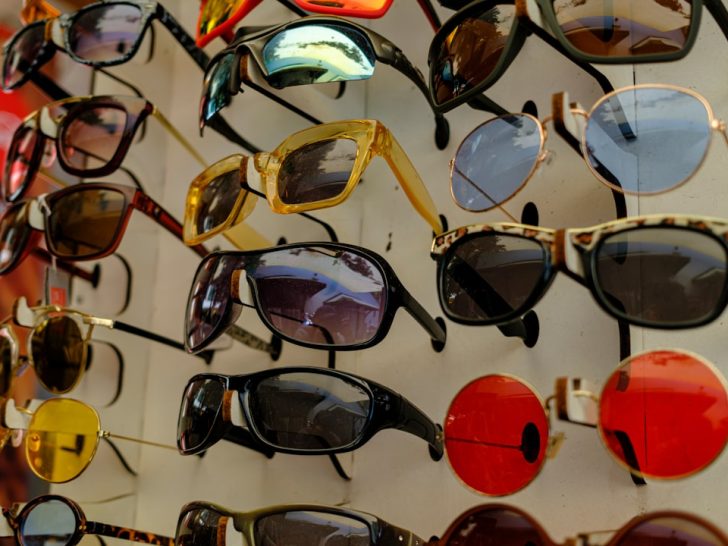
You know that sinking feeling when you spot a trophy fish, line up the perfect cast, and then lose sight of it in a blinding sheet of white glare? That is exactly what happens when you fish in cheap gas station shades instead of investing in high-quality fishing optics. Most anglers reach this frustration point after a few blown shots and long, exhausting days on bright water.
That is where the best fishing sunglasses step in to change your game. The right pair gives you clearer views into the water, significantly less eye strain, and more fish spotted before they ever see you. There are now more options than ever, ranging from high-end glass to smart budget picks that offer great value.
This guide cuts through the noise to break down the best fishing sunglasses for real days on the water. We will help you find the perfect pair for your needs, rather than just reciting a product catalog.
Table Of Contents:
- Why Serious Anglers Care So Much About Sunglasses
- Key Features to Look For in Best Fishing Sunglasses
- Best Fishing Sunglasses That Anglers Trust
- How to Choose The Best Fishing Sunglasses for Your Style
- Simple Checklist Before You Buy
- Conclusion
Why Serious Anglers Care So Much About Sunglasses
If you fish often, your eyes are your number one tool. Polarized lenses do far more than just darken the light to make things comfortable. They actively strip out harsh surface glare so you can see through the water, pick out submerged structure, and track moving fish.
Polarized lenses block horizontal light waves that cause glare. This helps you spot movement and fish much more easily on bright days. That visibility is the whole game if you enjoy sight fishing in shallow waters.
There is also a critical safety piece that many folks ignore. Long sessions staring at reflective water can burn your eyes just like the sun burns your skin. Quality sunglasses protect your vision over years of exposure to harsh light and yellow light radiation.
Key Features to Look For in Best Fishing Sunglasses
You can skip the marketing fluff and focus on a handful of technical specs. These features make the biggest difference when facing actual fishing conditions.
1. Lens technology that actually cuts glare
This is non-negotiable for any angler. Non-polarized lenses might look dark, but they do almost nothing for water glare. That is why cheap fashion shades feel awful when you are trying to look through the surface.
These lenses are a strong pick for beach days or fishing. You simply cannot catch fish you cannot see through the glare. Any model on a best fishing sunglasses list should offer maximum polarization, not just a dark tint.

2. Lens color that matches your water
This is where many anglers guess wrong and miss out on performance. Gray lenses are fine for driving, but they can be a little too dark for low-light fishing mornings. Your choice of lens color changes how well you pick out contrast and detail.
Copper, amber, or brown lenses are great for freshwater or inshore fishing. They boost contrast and keep detail sharp in mixed light conditions.
On very bright offshore days, darker gray lenses with a blue or green mirror help keep your eyes relaxed. Kids sunglasses expert Spotters also notes that color choice impacts how easily young anglers can spot fish. Matching the tint to the environment is essential.
Here is a quick breakdown of lens colors for different environments:
| Fishing Situation | Best Lens Colors |
|---|---|
| Trout streams, rivers, in-shore flats | Copper, amber, brown, rose mirror |
| Offshore bluewater in bright sun | Gray with blue, silver mirror, or green mirror |
| Low light, dawn or dusk | Lighter copper, rose, silver smoke, photochromic |
3. Lens material: Glass vs. Polycarbonate
The debate between glass lenses and polycarbonate lenses is common. Glass lenses offer the absolute best clarity and are naturally scratch-resistant. However, they are heavier on your face.
Polycarbonate lenses are super light and impact-resistant. If a jig flies back and hits your face, you want the shatter resistance of polycarbonate. Brands have improved these significantly, often adding a scratch-resistant coating to rival glass.
Your choice depends on your priorities. If you want pristine optics for staring at flats all day, go with glass. If you want safety and all-day comfort, plastic or polycarbonate is often the better route.

4. Coverage and fit that keep stray light out
Glare does not just come from straight ahead. It sneaks in around the edges of your frames and bounces off your cheeks. This backlight can ruin the view even with great lenses.
Full wide frames, often called 8-base curves, sit closer to your face. They block more stray light from entering the sides. Models like the Costa Fantail stand out for this wrap style.
On windy days, side shields or thicker temples help even more. Some premium frames feature a vented nose or adjustable vented systems. These allow airflow so your lenses do not fog the second you break a sweat.

5. Photochromic lenses for changing conditions
If you move from open sun to shade all day, you might get tired of juggling multiple pairs. This is where photochromic technology shines. These lenses stay lighter in low light and darken when sun intensity spikes.
When cloud cover breaks, photochromic lenses quickly darken. This keeps your vision comfortable without needing a different pair. It allows you to focus on the cast rather than your gear.
This “set it and forget it” option is gold if you fish full days. It covers you from the grey dawn patrol right through to the high noon sun.

Best Fishing Sunglasses That Anglers Trust
You can spend a lot of time testing fringe brands that sound interesting. However, it is often smarter to lean into names that serious guides wear. Several brands show up repeatedly in side-by-side tests and verified buyer reviews.
Here are standouts worth a real look.
Costa Del Mar: King of Saltwater Coverage
Many anglers think of Costa first. Their lens technology and big coverage frames built a strong reputation. Costa Del Mar sunglasses are staples for both inshore and offshore guides.
Costa’s 580 lens series is famous for crisp contrast in harsh light. You cannot talk about fishing sunglasses without mentioning core Costa models. They eliminate glare exceptionally well.
If you want huge coverage for saltwater days, the Costa Del Mar Grand Catalina is a monster option. You can find their styles at retailers like Eyeglasses123, Hansen Surfboards, or Scheels.
Smith Optics: Clarity and Comfort All Day
Smith has been a staple for outdoor enthusiasts for years. Their ChromaPop sunglass lens technology crosses over to fishing very well. It separates color channels to provide distinct advantages.
ChromaPop lenses boost color and contrast. This helps anglers read details while staying comfortable. Models like the Guide’s Choice are built for hardcore days.
A newer option that stands out is the Smith Hookset performance frame. It provides a secure fit and excellent coverage. You can find these at Backcountry or Designer Optics.
Island Optics and Mako: Rising Contenders
While big names dominate, brands like Island Optics and Island Optics Mako are gaining traction. They offer competitive features often at a great price. The Optics Mako line focuses on high-definition viewing for marine environments.
These brands often utilize silver smoke or gold mirror finishes that rival more expensive pairs. If you are looking for a specific aesthetic like matt black frames with rubber black accents, these smaller brands often deliver.
They provide a wide variety of lens tints suitable for everything from lake fishing to deep sea. It is worth checking if their frame material suits your face shape.
Tonic Eyewear: a Standout for Australian Conditions
If you fish in brutal sun with lots of reflective water, Tonic Eyewear has serious fans. Ryan Moody shares that his Tonics have lasted years. They helped him avoid jellyfish in low visibility because of how well they cut glare.
Tonic notes that it has won awards as a leading fishing sunglasses brand. This is thanks to lenses that balance clarity with strong UV protection. They are designed for serious anglers who need reliability.
Their glass copper photochromic options stand out significantly. They combine sharp optics with auto-darkening for changing weather conditions.
Bajio, Dragon, Pelagic, and Other Performance Picks
Newer and niche brands are pushing interesting tech.
Bajio Greenland offers high contrast lenses in full wrap frames.
The Dragon Momentum H2O is a popular option for those needing floating capabilities. If your sunglasses float, you worry less about dropping them overboard.
Pelagic Navigator sunglasses lean hard into offshore fishing. They offer mineral lenses built for clean views over blue water. Their polarized versions show up at offshore shops like West Marine.
Maui Jim and Lip Flo: Comfort and Specialty Features
Some anglers swear by Maui Jim for their balance of comfort and optics. The Maui Jim Peahi is a wrap style that many offshore anglers like. Maui Jim sunglasses generally feature lenses that feel sharp but gentle on the eyes.
Price and lens choices are available through various retailers. They are known for enhancing color in a vibrant way.
If you lose gear in the drink often, Lip Flo sunglasses solve a painful problem. Their Flo model is built to float. You can see these fishing-focused frames on Lip Sunglasses directly.
How to Choose The Best Fishing Sunglasses for Your Style
You can shortcut the search by starting from where and how you fish. Then line that up with the brands and lens types above.
If you fish open offshore water most of the time:
Look for darker gray or blue mirror lenses in wide frames. You want to block a ton of light. Models like the Costa Grand Catalina or Pelagic Navigator sit squarely in this lane.
Frames that wrap tightly with sticky nose pads stay on your face. This is vital while you bounce in the swell. Floating frames add peace of mind if you have slippery hands.
Also, think about pairing your new optics with a bucket list trip.
If you stalk fish in rivers, creeks, or inshore flats:
Copper or amber polarized lenses rule here. They pull detail out of green and brown water. This is crucial for fly fishing where seeing the fish eat is the goal.
Photochromic copper styles are a smart play for cloudy days. Wrap frames help you read currents without side glare. Consider models like the Smith Hookset or Tonic glass options.
You can also consider medium frame options if you have a narrower face. You do not want gaps where light sneaks in. Fly fishing demands precision, and your eyewear should match that.
If you mix a lot of boat time with bank fishing or travel:
Here, comfort and all-around performance matter more than pure saltwater muscle. Smith ChromaPop lenses or Bajio rose mirror lenses are flexible choices. They work well in varied environments.
You might favor lighter plastic frames for travel to cut weight. Many of these brands now provide strong scratch resistance even on plastic. This makes them easier to pack and carry.
If you wear glasses, look into prescription sunglasses or prescription lenses for these frames. Many top brands offer their best lens technology in prescription form. This ensures you do not compromise vision for protection.
Simple Checklist Before You Buy
To keep this real and not overwhelming, here is a fast mental checklist. Run through this before you pull the trigger on what you consider your best fishing sunglasses.
- Are the lenses truly polarized and from a brand with a fishing focus?
- Does the lens color match your main water and weather conditions?
- Does the frame wrap your face and block side light without pinching?
- Do you need glass lenses for clarity or is plastic better for safety?
- Will photochromic lenses help with your local light swings?
- Can you afford to lose them, or should you start with a great price point?
If you can answer those clearly, you are well ahead of most people. You won’t be scrolling pages of sunglasses wondering why everything looks the same. You will know exactly what you need.
Conclusion
Most anglers start by grabbing whatever shades are handy, then slowly realize how much they are missing. Once you fish a full day in a well-chosen pair, it is hard to go back. I’ve spotted more fish and felt less fatigue simply by upgrading my eyewear.
The best fishing sunglasses give you an almost unfair look into the water. They ease the strain on your eyes and make long sessions far more enjoyable. Whether you choose Jim sunglasses or a technical pair from Costa, the difference is clear.
There is no single perfect model for everyone. Your best fishing sunglasses will be the pair that matches your light conditions and fishing