
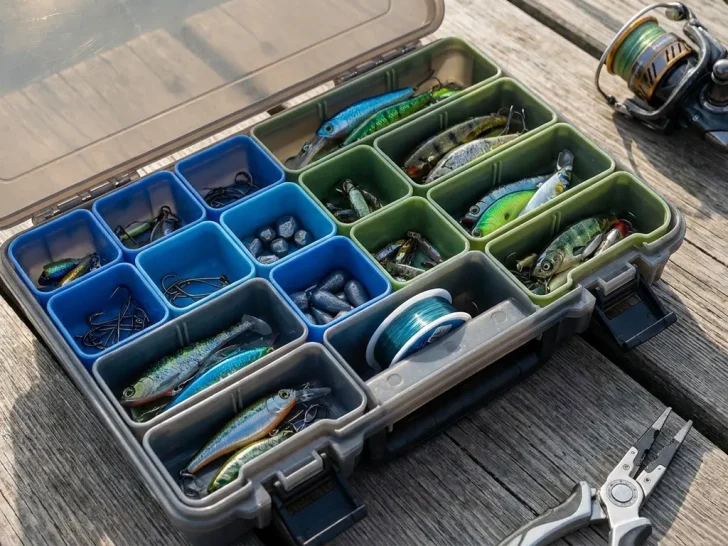
Every successful day on the water starts long before you cast your first line into the depths of your favorite lake or coastal honey hole. Have you ever missed a massive strike because you could not find the right hook or realized you were missing fishing tackle box essentials at the worst possible moment? A properly organized and fully stocked tackle box gives you immediate access to the exact items you need right when the fish start biting, ensuring that your fishing trip remains productive and stress-free. Whether you are a novice or a seasoned pro, understanding how to curate your gear is the first step toward angling mastery and consistent success. By treating your equipment preparation as a professional discipline, you eliminate the variables that often lead to frustration during a high-stakes outing.
The psychology of a prepared angler involves anticipating environmental shifts and having the technical infrastructure to adapt your presentation on the fly. When the barometric pressure drops or the wind shifts direction, your ability to reach into a well-organized kit and pull out the perfect solution is what separates the experts from the amateurs. This guide explores the foundational components required to build a comprehensive system that serves as your mobile command center on the water. From the smallest split shot to the most advanced multi-tools, every item in your collection should serve a specific, calculated purpose in your pursuit of the catch.
Selecting the correct storage system establishes the baseline for your entire fishing gear collection and determines how effectively you can respond to changing conditions. Modern tackle boxes offer modular trays that let you separate delicate components from heavier weights safely, preventing damage during transport over rough terrain or choppy waters. You should choose a container built from durable, UV-resistant plastics that resist warping under direct sunlight and feature secure, heavy-duty latches to prevent accidental spills. High-quality seals are also paramount for protecting your investment from the corrosive effects of moisture and salt air, which can ruin expensive lures overnight.
If you plan to organize a well-stocked tackle box, consider the style of fishing you do most frequently to ensure the total weight remains manageable for your mobility. Backpack styles work excellently for shore anglers who need to hike into remote locations, while hard-sided cases suit boat owners much better due to their stackable nature. Brands like jarvis walker manufacture reliable options that withstand harsh marine environments effectively year after year, and choosing a jarvis walker bag can provide the longevity needed for salt-spray exposure. A high-quality tackle box is an investment in your sanity, keeping your fishing tackle box essentials protected from the elements and organized for rapid deployment during a feeding frenzy.
Furthermore, the size of your tackle box should reflect the duration of your typical outings and the variety of environments you frequent throughout the season. A small, pocket-sized tackle box might suffice for a quick afternoon at a local pond, but a full-day excursion requires a more robust, multi-tray system. Look for waterproof seals if you spend time on kayaks or small vessels where splashes are inevitable, as internal humidity is the primary cause of hook oxidation. The ultimate goal is to create a modular system where every item has a dedicated home, significantly reducing the time spent rummaging and increasing the time your line is in the water.
Strategic Terminal Tackle and Fishing Tackle Box Essentials
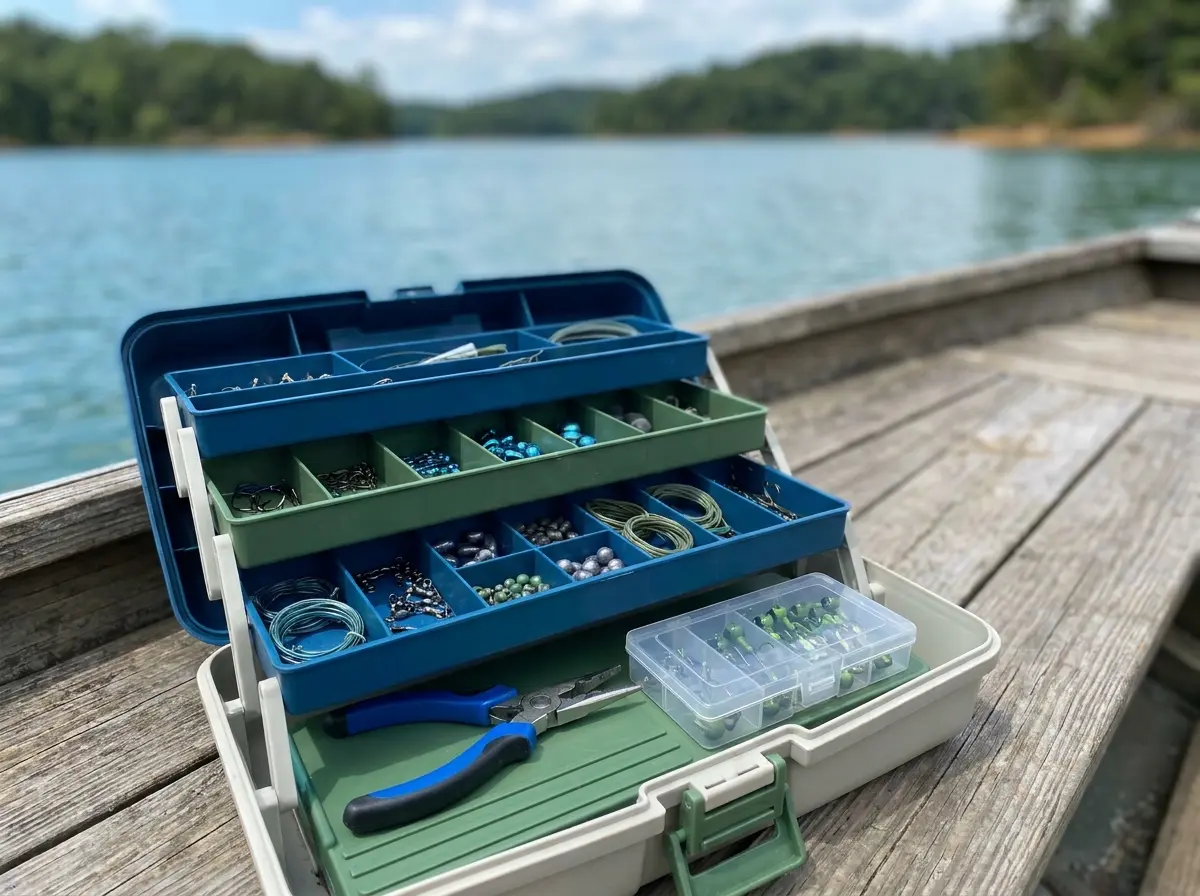
Terminal tackle forms the critical physical connection between your fishing rods and your intended target species, making it the most vital part of your kit. You need a diverse variety of hooks, sinkers, and swivels to adapt to rapidly changing water conditions and different depths encountered throughout the day. Stocking multiple sizes of circle hooks helps prevent deep hooking, which significantly increases fish survival rates during catch and release, a practice highly encouraged by conservation groups. When you are setting up your fishing pole, having the right weight to reach the strike zone can be the difference between a trophy and a quiet day.
Keeping your hooks razor sharp requires proper storage away from moisture and corrosive saltwater environments that can dull even the best high-carbon steel. You should include split shot for delicate presentations in shallow streams and pyramid sinkers for holding bottom in heavy surf or fast-moving river currents. Studies from TakeMeFishing show that matching hook size to your target species significantly improves your overall hookup ratio and reduces unnecessary harm to the fish. Your fishing reels also benefit from well-matched tackle, as improper weighting can lead to backlashes and tangles during the cast that waste valuable fishing time.
A well-stocked tackle system must include high-quality swivels to prevent destructive line twist during retrieval, especially when using spinning gear in deep water. Barrel swivels work fine for basic bait fishing, but ball bearing swivels perform much better when using fast-moving artificials that rotate rapidly and create torque. Include a selection of snap swivels in your storage container for quick lure changes without cutting your line, though you should always check your knots for wear. Remember that fishing tackle is the foundation of your success, so do not skimp on the quality of these small but essential components that bear the brunt of the fight.
- Select a durable storage system that matches your primary fishing style perfectly.
- Match hook sizes and sinker weights to the specific water conditions you face.
- Use high-quality swivels to prevent line twist and improve your overall presentation.
Lure Selection and Fishing Tackle Box Essentials for Success
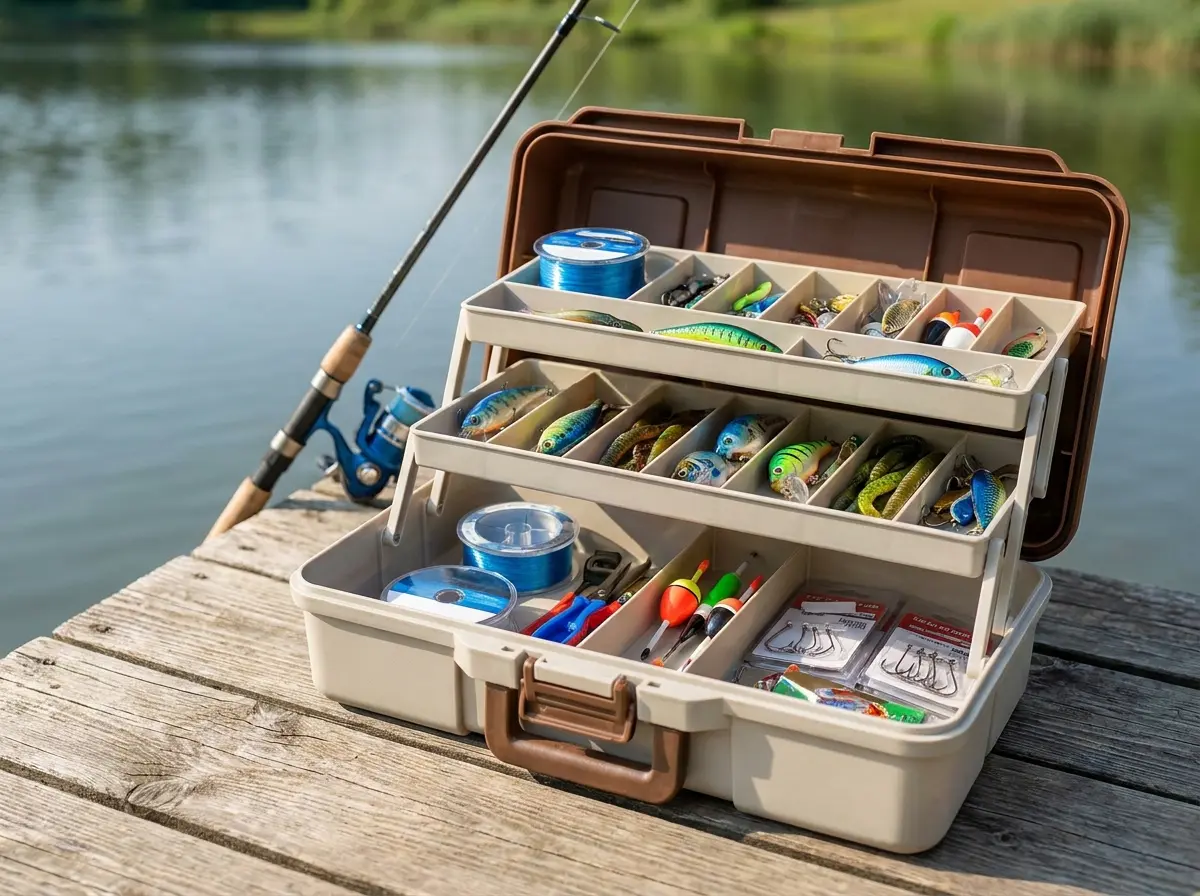
Carrying the right fishing lures allows you to mimic the local forage base accurately and consistently across different seasons and water temperatures. You should maintain a dedicated section in your tackle box for various soft plastic options, which are often the most effective tools in an angler’s arsenal. A basic assortment of soft plastics covers everything from clear water finesse techniques to muddy water power fishing, and many pre-made tackle kits offer a great starting point for beginners. If you prefer live bait, ensure you have the appropriate hooks and bobbers to keep your offering at the right depth for the target species.
Pairing a soft plastic grub with an appropriate jig head creates an incredibly versatile presentation that works for almost any species in both fresh and salt water. You can hop jig heads along the bottom to trigger reaction strikes or swim them steadily through the middle of the water column for active feeders. Keeping different weights and colors in your tackle box prepares you for shifting weather patterns and feeding behaviors that can change by the hour. According to experts at Bassmaster, lure color selection should often be dictated by water clarity and available light to maximize visibility and strike rates.
Many anglers rely heavily on soft plastic lures because they look and feel completely natural to predatory species, encouraging them to hold on longer during the strike. Hard plastic lures also deserve space in your tackle box, especially topwater frogs and deep diving crankbaits that can cover large areas of water quickly and efficiently. If you enjoy bass fishing, maintaining a balanced mix of both styles helps you consistently catch fish regardless of where they are holding in the water column. Always ensure your essential tackle includes a few “confidence lures” that you know how to work effectively in any situation, providing a fallback when the bite gets tough.
Do not store different colors of soft plastics together in the same compartment. The chemicals react with one another over time, causing the materials to bleed colors or melt into an unusable mess.
Essential Fishing Tools and Fishing Tackle Box Essentials
Your tackle box should hold more than just hooks and artificial bait for your outings; it needs to be a mobile workshop capable of handling any mechanical failure. Reliable fishing tools and gear make rigging faster and fish handling much safer for both you and the animal you are targeting during the release process. A quality pair of corrosion-resistant fishing tools, such as long-nose pliers, remains absolutely necessary for removing hooks from a fish’s mouth safely and efficiently. Furthermore, fishing gloves can provide extra grip and protection from sharp fins, gill plates, or teeth when handling larger, more aggressive species.
You will need a sharp instrument to cut monofilament, fluorocarbon, and braided lines cleanly every time you tie a new rig or replace a damaged leader. Dedicated fishing knives work well for heavy chores, while a simple nail clipper or specialized line snips handle precision line cutting perfectly for lighter setups. Clean cuts improve your knot tying efficiency and prevent the fraying that can lead to knot failure under the pressure of a heavy fish. Resources like Animated Knots offer excellent tutorials for mastering the connections that keep you attached to your catch during the most intense moments of the fight. Additionally, carrying a tape measure is vital for ensuring your catch meets local size regulations before you decide to keep it for dinner.
Other fishing tackle box essentials in the tool category include hook sharpeners, split ring pliers, and a small flashlight for low-light conditions or night fishing. A hook sharpener can save a trip when you are bouncing lures off rocks and dulling the points, ensuring every strike results in a solid, deep hookup. If you are fishing in areas with strict regulations, a tape measure that is easy to read will prevent accidental legal issues and promote ethical angling practices. These tools, while often overlooked by beginners, are the backbone of a professional approach to the sport and should always have a dedicated, dry slot in your tackle box.
Safety Equipment, Fishing License, and First Aid Kit Essentials
Safety should never be an afterthought when you are preparing for a day on the water, regardless of the location or the species you are targeting. Your fishing license is perhaps the most important document to carry, as failing to produce it can result in heavy fines and the confiscation of your expensive fishing gear. Beyond the legalities, a compact aid kit (first aid kit) containing bandages, antiseptic wipes, and pain relievers can handle minor injuries like hook pokes or scrapes. It is also wise to pack a life jacket if you are on a boat, or at least ensure one is readily accessible at all times according to U.S. Coast Guard safety standards.
Environmental protection is another key aspect of safety and comfort that belongs in your tackle box to ensure you can stay on the water longer. Applying bug repellent can prevent a swarm of mosquitoes or biting flies from ruining your concentration during the prime evening bite, while sunscreen protects your skin from long-term damage. A small bottle of high-SPF lotion takes up very little room but provides hours of protection against the sun’s harsh rays and reflective glare from the water. Always check local weather reports and pack accordingly, as conditions can shift rapidly, making a lightweight emergency poncho a smart addition to your fishing tackle box essentials.
Finally, consider the specific safety needs of your environment, such as a whistle for signaling in fog or a multi-tool for emergency equipment repairs. If you are fishing in remote areas, let someone know your exact location and expected return time before you depart for the day. Safety gear like a life jacket and a well-stocked aid kit ensures that a minor mishap doesn’t turn into a major emergency that ends your season prematurely. By prioritizing these items alongside your fishing tackle, you demonstrate a professional and responsible approach to the great outdoors and the sport of angling.
Strategies for Tackle Box Organization and Maintenance
An organized tackle box is a reflection of an angler’s mindset and directly impacts their efficiency and success rate on the water. Grouping items by category—such as terminal tackle, soft plastics, and hard baits—allows for a logical flow when you need to change tactics quickly. Use clear plastic dividers to create custom-sized compartments that prevent items from shifting and tangling during transport over rough roads or waves. Labeling the outside of your tackle box trays can also save precious seconds when the fish are feeding in a frenzy and you need a specific lure immediately to capitalize on the action.
Maintenance is equally important to ensure your fishing gear remains in top condition for years of reliable service in the field. After every fishing trip, especially those in saltwater environments, rinse your lures and tools with fresh water to prevent corrosion and rust from taking hold. Check your tackle box for any moisture that may have seeped in and dry it thoroughly before closing the lid for long-term storage in your garage or shed. A well-stocked tackle box is only useful if the items inside are functional, so replace rusted hooks and frayed line segments regularly to avoid losing the fish of a lifetime due to equipment failure.
Maintaining Your Fishing Equipment for Longevity
Regularly inspecting your fishing rods and fishing reels for signs of wear can prevent catastrophic equipment failure at critical moments during a fight. Look for cracked ceramic guides on your fishing pole that could shred your line, and ensure your reel’s drag system is smooth and responsive under pressure. Applying a drop of high-quality oil from a small bottle to moving parts can extend the life of your gear significantly and improve casting distance. By treating your fishing tackle with respect and performing routine maintenance, you ensure that it will perform flawlessly when you finally hook into a big game trophy or a stubborn local lunker.
Don’t forget to check your tackle kits for depleted supplies after each outing to ensure you are always ready for the next adventure. It is easy to forget that you used your last 1/4-ounce jig head or that your favorite soft plastic color is running low after a productive day. Keeping a running list of fishing tackle box essentials that need restocking will make your next trip to the bait shop much more efficient and cost-effective. Proper maintenance and inventory management are the hallmarks of a dedicated angler who values their time and their equipment as much as the catch itself.
Adapting Your Fishing Tackle Box Essentials for Target Species
Your gear should be as dynamic as the fish you are chasing, requiring you to adapt your tackle box for different environments and biological behaviors. If you are targeting big game in the open ocean, you will need much heavier leaders, larger hooks, and more robust swivels than you would for local pond fishing. Conversely, ultra-light setups for mountain trout require tiny flies and thin fluorocarbon that would be invisible to the fish in crystal clear water. Even your choice of fishing pole might change, perhaps opting for a multi-piece fishing rod for easier travel to remote mountain streams or international destinations.
Understanding the behavior of your target species allows you to choose the most effective fishing tackle for the job and maximize your efficiency. For example, bass anglers often focus on structure-oriented lures like jigs and Texas-rigged plastics, while walleye anglers might rely more on live bait rigs and deep-running crankbaits. By tailoring your fishing tackle box essentials to the specific species and habitat, you increase your odds of success exponentially and reduce the amount of useless gear you carry. Always research the local forage and water conditions before your fishing trip to ensure your tackle box is perfectly tuned for the specific challenge ahead.
Building a Complete Fishing System for Every Fishing Trip
A complete fishing system goes beyond just the tackle box; it encompasses everything from your transportation to your advanced electronics and communication gear. Whether you are launching a boat, fishing from a jet ski, or walking the bank, your organization should remain consistent and logical for rapid access. Using a jet ski for fishing has become increasingly popular due to its mobility, but it requires a very compact and secure tackle box setup to handle the spray and constant movement. Regardless of your vessel, having your fishing license and aid kit easily accessible is a universal requirement for all fishing trips to ensure safety and compliance with American Sportfishing Association guidelines.
As you gain experience, you will find that your fishing tackle box essentials evolve to match your personal style and the specific waters you frequent most often. You might find that you prefer a specific brand of fishing gear or a particular type of fishing reels that feels more comfortable and balanced in your hand. The key is to remain flexible and always be willing to learn new techniques and try new tackle kits as technology and trends change. A well-stocked tackle box is a living entity, constantly being refined and improved to help you become the most effective and prepared angler you can possibly be.
Ready for the Water
In conclusion, mastering your fishing tackle box essentials is a continuous journey that pays dividends in more fish caught and fewer headaches on the water. By choosing the right tackle box, maintaining your fishing gear, and prioritizing safety items like your fishing license and aid kit, you set yourself up for a lifetime of outdoor success. Remember that the best fishing trip is one where you are prepared for anything the environment throws at you, from sudden storms to unexpected feeding windows. Now, grab your fishing pole, check your tackle box one last time to ensure it is fully stocked, and head out to enjoy the peace and excitement that only fishing can provide.
