
Few experiences rival the explosive strike of a large gamefish crashing through the water surface to attack a lure. Topwater fishing offers an intense, visual thrill that consistently keeps passionate anglers coming back to the lake for more. Mastering how to fish topwater lures requires understanding the mechanics of surface baits, favorable environmental conditions, and highly specific rod movements.
Many beginners struggle to trigger those aggressive surface bites consistently across different bodies of water. They often cast haphazardly at the bank or retrieve their topwater baits with the completely wrong rhythmic cadence. You need a calculated approach that combines the right gear with precise timing to succeed on the water.
This guide breaks down the exact methods required to fish topwater lures effectively across various freshwater environments in the United States. We will examine different lure profiles, optimal weather patterns, and the specific tackle setups that consistently produce results. Let us transform those frustrating missed blow-ups into successful catches that fill your livewell.
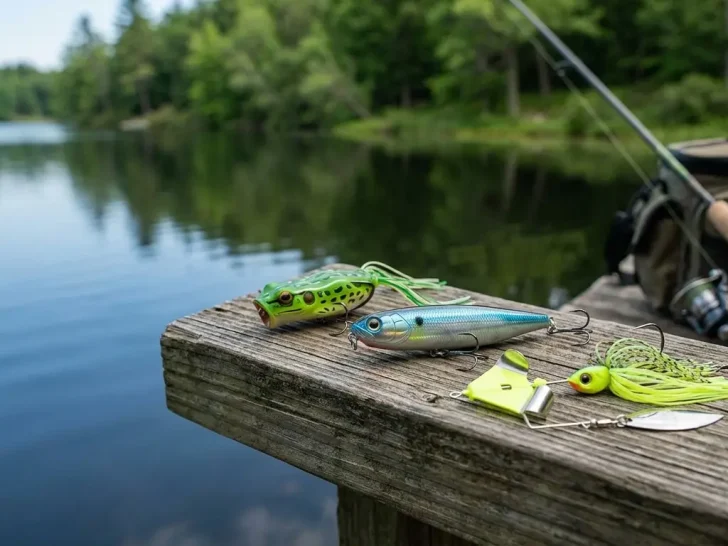
The topwater category encompasses several distinct lure profiles that move and sound entirely differently on the surface. Manufacturers engineer these baits to mimic injured baitfish, fleeing frogs, or struggling insects trapped on the water. Selecting the correct profile depends heavily on matching the specific forage currently available in your local fishery, a key component of successful bass fishing.
Fishing Surface Poppers and Chuggers
Poppers feature a deeply cupped face that traps water and creates a distinct splashing sound during the retrieve. This loud chugging action perfectly imitates a dying shad or a feeding bluegill struggling near the surface. Anglers typically fish poppers with a twitch-and-pause cadence, allowing the bait to sit completely motionless between pops.
The pause often triggers the actual strike, as predatory fish view the stationary lure as an easy meal. You should vary the length of your pauses based directly on the current activity level of the fish. According to tournament experts at Bassmaster, longer pauses work significantly better during post-frontal conditions when fish become lethargic.
Mastering Walk-the-Dog Style Topwater Baits
These cigar-shaped baits glide from side to side across the surface in a mesmerizing zigzag pattern. The continuous sweeping motion covers large expanses of water quickly and draws fish up from deeper water columns. Spooks and similar stickbaits excel in clear water reservoirs where bass feed heavily on roaming shad schools.
Mastering this side-to-side action requires a rhythmic downward twitch of the rod tip while simultaneously reeling up slack. It takes dedicated practice to establish the correct cadence, but the resulting strikes are incredibly aggressive and violent. These specific surface lures perform exceptionally well across southern impoundments and natural northern lakes alike.
Using Weedless Frogs and Buzzbaits
Buzzbaits utilize a large metal propeller blade that churns the water surface, creating a loud squeaking noise and a bubble trail. You fish them with a steady retrieve, keeping the bait moving fast enough to remain above the surface. They excel around sparse cover and during low-light conditions when fish rely heavily on their lateral lines to hunt.
Hollow-body frogs feature weedless hooks that sit flush against a soft plastic body, making them perfect for heavy vegetation. You can cast a frog directly into thick lily pads or matted aquatic vegetation where other lures would instantly snag. The soft body collapses upon a violent strike, exposing the sharp double hooks for a solid connection.
- Match your topwater lure profile to the primary forage species living in your local body of water.
- Use poppers with a pause cadence for lethargic fish, and walk-the-dog baits to cover water quickly.
- Rely on hollow-body frogs and buzzbaits when fishing around thick aquatic vegetation or heavy surface cover.
Environmental Factors: How to Fish Topwater Lures in the Best Conditions
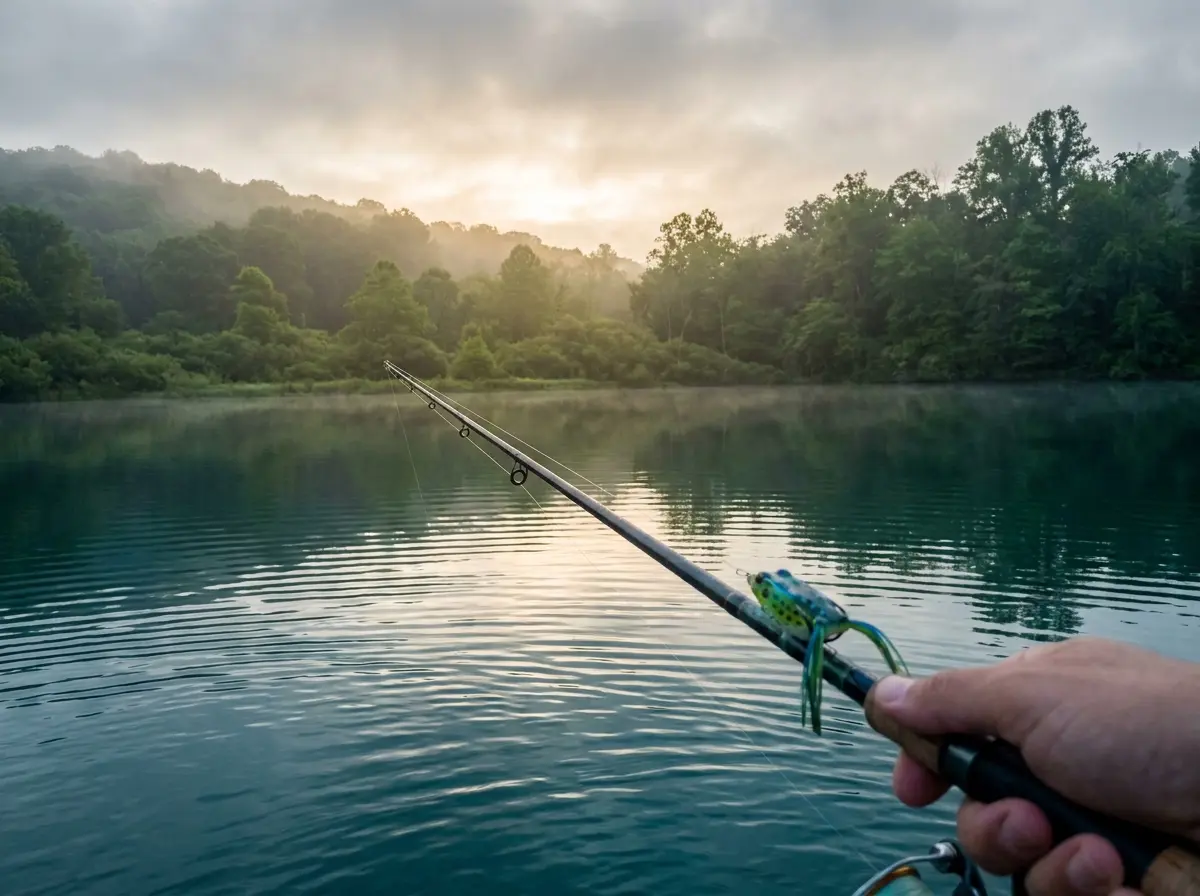
Environmental factors dictate surface feeding activity more than any other variable you will encounter in fishing. Fish naturally feel vulnerable near the surface due to avian predators, so they prefer specific lighting and weather conditions. Timing your topwater trips around these optimal environmental windows will drastically improve your overall catch rates.
Low-Light Timing: Optimal Time of Day for Surface Action
Have you ever wondered why the surface bite dies off completely by midday on most clear lakes? Dawn and dusk remain the absolute best times to throw surface baits across the United States. During these critical low-light periods, baitfish move to the surface and predatory gamefish follow them aggressively.
Once the sun rises high in the sky, fish generally retreat to deeper water or heavy shade. You can still catch fish on top during the midday hours, but it requires targeting specific shadow lines. Cast under overhanging trees or alongside wooden boat docks where fish ambush prey from the safety of darkness.
Analyzing Weather Patterns and Water Clarity
Overcast days extend the topwater bite for hours, sometimes lasting throughout the entire afternoon on a good lake. Heavy cloud cover replicates the low-light conditions of early morning, keeping fish actively roaming the shallow flats. A light surface chop breaks up the water tension and obscures the lure, making fish significantly less cautious.
Water temperature plays a massive role in a fish’s willingness to break the surface for a meal. Most freshwater species become highly active on topwater once water temperatures climb above 60 degrees Fahrenheit consistently. The National Weather Service provides excellent historical climate data to help predict seasonal temperature shifts in your area.
Always cast your topwater lure five to ten feet past your actual target area. This prevents the loud splashdown from spooking the fish you are actively trying to catch.
Selecting Essential Fishing Tackle for Topwater Success
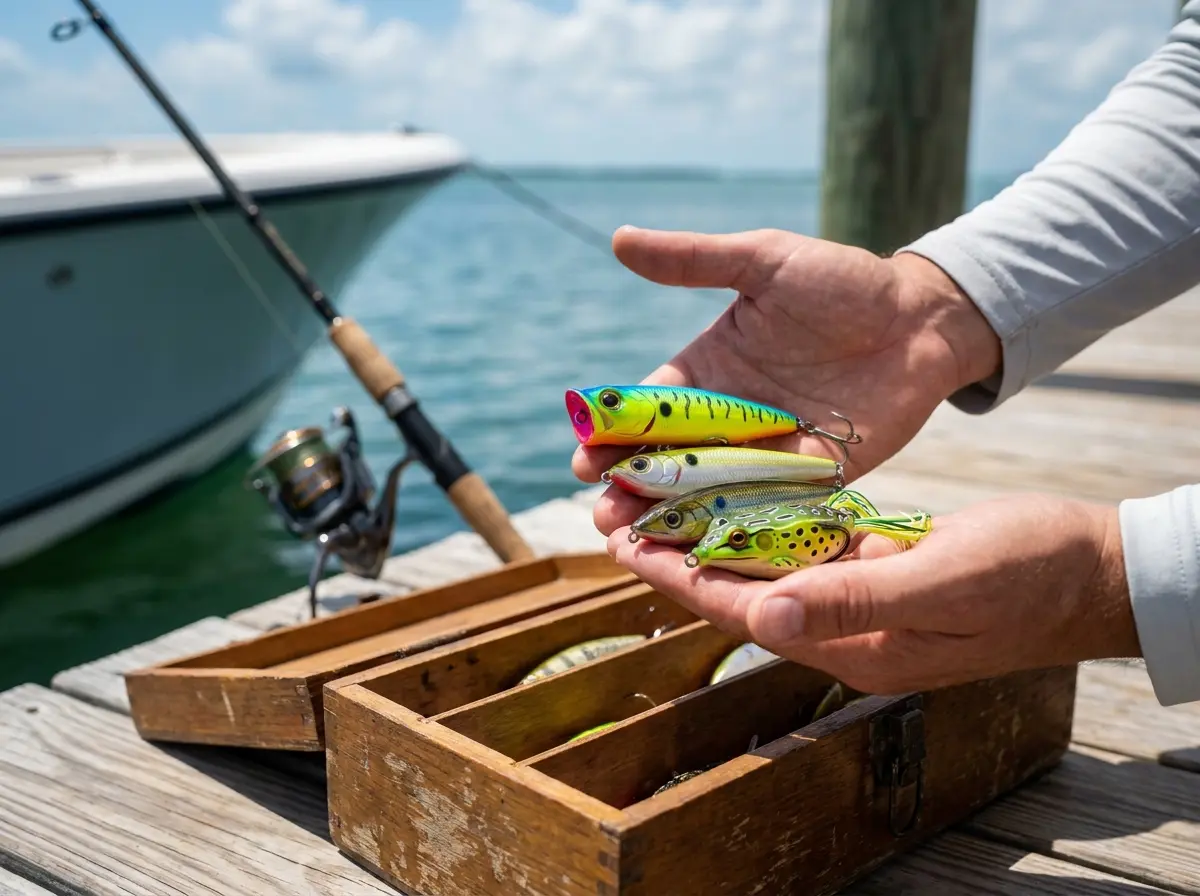
Using the wrong equipment will result in missed strikes, broken lines, and endless frustration on the water. Topwater fishing requires a highly specialized approach to tackle because you are fighting fish near surface obstructions. Your rod, reel, and line must work flawlessly together to present the bait and drive the hooks home.
Choosing the Right Topwater Rod and Reel Setup
A medium-heavy action rod with a fast or moderate-fast tip provides the ideal balance for most surface applications. The slightly softer tip allows the fish to inhale the bait without feeling immediate resistance from the rod blank. However, the rod must maintain enough backbone in the lower section to drive thick hooks into a hard jaw.
High-speed baitcasting reels have become the absolute standard for modern topwater anglers across the country. A reel with a 7.1:1 or 8.1:1 gear ratio allows you to pick up slack line incredibly fast. This rapid speed proves crucial when a fish strikes and immediately swims directly at your boat.
Selecting the Proper Fishing Line for Surface Baits
Line selection determines exactly how your bait sits on the water and how effectively you can set the hook. Monofilament line floats naturally, making it an excellent choice for poppers and walking baits that require a pause. Fluorocarbon line sinks rapidly, which pulls the nose of your topwater lure underwater and completely ruins the action.
Braided line offers zero stretch and floats perfectly, making it the superior choice for fishing heavy cover. Most anglers throwing hollow-body frogs use 50-pound to 65-pound braided line to drag fish out of thick vegetation safely. You can learn more about general line properties through educational resources like SaltedAngler, which details tackle fundamentals for various fishing techniques.
Step-by-Step: How to Execute the Walk-the-Dog Retrieval Technique
Position Your Rod Correctly
Point your rod tip directly at the water surface, keeping it roughly at a 45-degree angle to the bait. This downward angle gives your rod the proper range of motion needed to snap the slack line effectively.
Pop the Slack Line
Snap the rod tip down sharply a few inches, hitting the slack line rather than pulling the bait directly. This sharp snap forces the lure to dart aggressively to one side while maintaining its position on the surface.
Reel and Repeat the Rhythm
Turn the reel handle slightly between each snap to pick up the excess line you just created. Establish a steady rhythm of snapping and reeling to make the bait glide continuously from left to right.
Topwater Fishing Strategy: Common Mistakes to Avoid
Are you tired of seeing massive blow-ups that result in an empty hook flying back at your boat? Even experienced anglers fall victim to the intense adrenaline rush that accompanies a massive surface explosion. Correcting a few common mechanical errors will dramatically increase your hookup ratio and help you land more fish.
The most frequent error involves setting the hook the exact second you see a splash on the surface. Fish often swat at surface baits to stun them before circling back quickly actually to eat the lure. If you jerk the rod immediately upon seeing the splash, you will likely rip the lure away from the fish.
Another major mistake involves stopping the retrieve completely when a fish misses the bait on the first attempt. If a bass blows up on your lure and misses, you should maintain your exact rhythmic cadence. Fleeing baitfish do not stop swimming when attacked, so keeping the lure moving consistently triggers aggressive follow-up strikes.
Key Takeaways
- Focus your topwater efforts during low-light periods like dawn, dusk, or heavily overcast days.
- Use monofilament or braided line, as fluorocarbon sinks and destroys the action of surface lures.
- Delay your hookset until you feel the weight of the fish to avoid pulling the bait away prematurely.
Conclusion: Final Thoughts on How to Fish Topwater Lures
Fishing with topwater lures provides an unmatched level of excitement and visual stimulation for anglers of all skill levels. Success requires a solid understanding of how different bait profiles behave on the surface under various conditions. You must also align your fishing trips with favorable environmental windows to maximize your chances of a surface strike.
Equipping yourself with the proper rod, a high-speed reel, and a floating line makes presentation and hooksets much easier. Mastering specialized techniques like the walk-the-dog retrieve takes practice, but the rewards are well worth the initial effort. By avoiding premature hooksets and adapting to the current weather conditions, you will catch significantly more fish on top.
The next time you hit the water during a calm, overcast morning, tie on a surface bait immediately. Pay close attention to the water temperature, watch for surface activity, and keep your retrieve consistent throughout the cast. The explosive strikes will quickly make topwater fishing your absolute favorite way to target aggressive gamefish.

- Understanding Pier Fishing for Beginners: Fundamentals and Strategy - September 10, 2026
- Why Connection Selection and the Right Fishing Knot Matters - August 10, 2026
- Understanding Topwater Lure Types for Successful Bass Fishing - July 10, 2026