
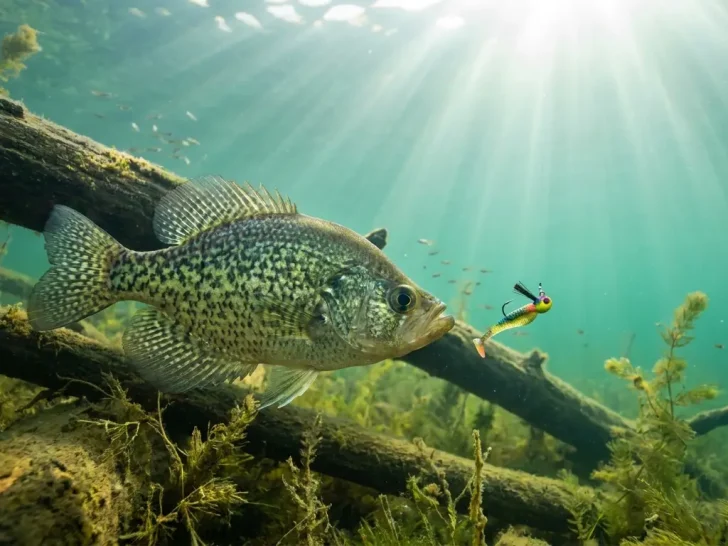
Summer brings high temperatures and tough fishing conditions for many popular species across the country, making it essential to learn how to catch crappie in summer effectively. Catching crappie during the hottest months demands a strategic approach and an understanding of crappie fishing behavior. Many anglers abandon the lakes for air conditioning, but you can still fill your livewell by adjusting your daily tactics to find where these panfish hide. Let us explore the proven methods that produce consistent results on the water.
As water temperatures rise across the country, fish relocate to find comfortable conditions that support their daily metabolism. A summer crappie typically moves away from shallow spawning grounds and heads directly to deeper structural elements. They actively seek cooler water and abundant forage to sustain their energy levels during extreme afternoon heat.
The thermocline represents a distinct layer within the water column where temperatures drop rapidly and oxygen levels shift. These water fish usually hold just above this specific layer because oxygen levels plummet significantly below the boundary. Keeping your presentation in the exact strike zone makes a massive difference for your daily catch rate.
High-quality electronics play a massive role in pinpointing these deep schools on large, otherwise featureless reservoirs. Modern sonar technology helps you analyze the screen scene to differentiate between tiny baitfish and large predators. Trusting your marine electronics saves you hours of unproductive casting and helps you locate active, feeding fish.
- Fish migrate to deeper water and suspend just above the thermocline during hot summer months.
- Dropping baits below the thermocline results in zero bites due to low oxygen levels.
- Marine electronics are mandatory for quickly locating deep schools and identifying the proper depth.
Best Locations to Find July Crappies and Summer Crappies
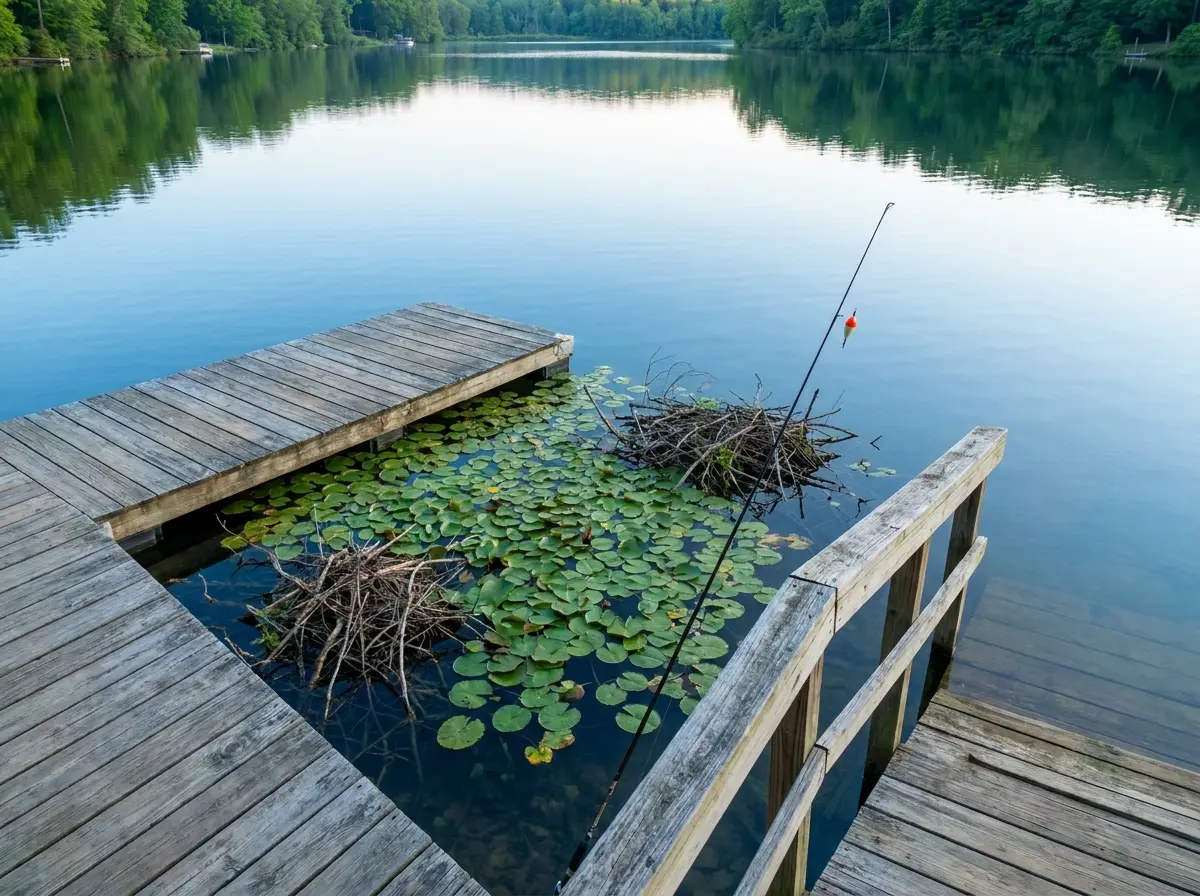
Finding fish during the sweltering dog days requires identifying specific structural elements that provide shade and security. Submerged brush piles planted by other dedicated anglers consistently hold large numbers of july crappies throughout midday. You can often locate these productive man-made structures along steep channel swings or prominent main lake drop-offs.
Standing timber offers another excellent habitat for suspended panfish trying to escape the intense afternoon sunlight. A summer crappie will use vertical tree trunks to move up and down within the water column. Fishing vertically alongside these trees often produces aggressive strikes from larger specimens holding tight to the wood.
Do not ignore concrete bridge pilings and deep boat docks during your afternoon search for feeding fish. Anglers who skip the dock talk and focus on deep shade often catch bigger fish consistently. A well-placed cast under a deep marina dock can yield fantastic results when other open-water spots fail.
When fishing deep brush piles, always start by targeting the very top of the structure first. Crappies feed upward, and dropping your bait too low will spook the school holding above.
Essential Fishing Gear and Terminal Tackle
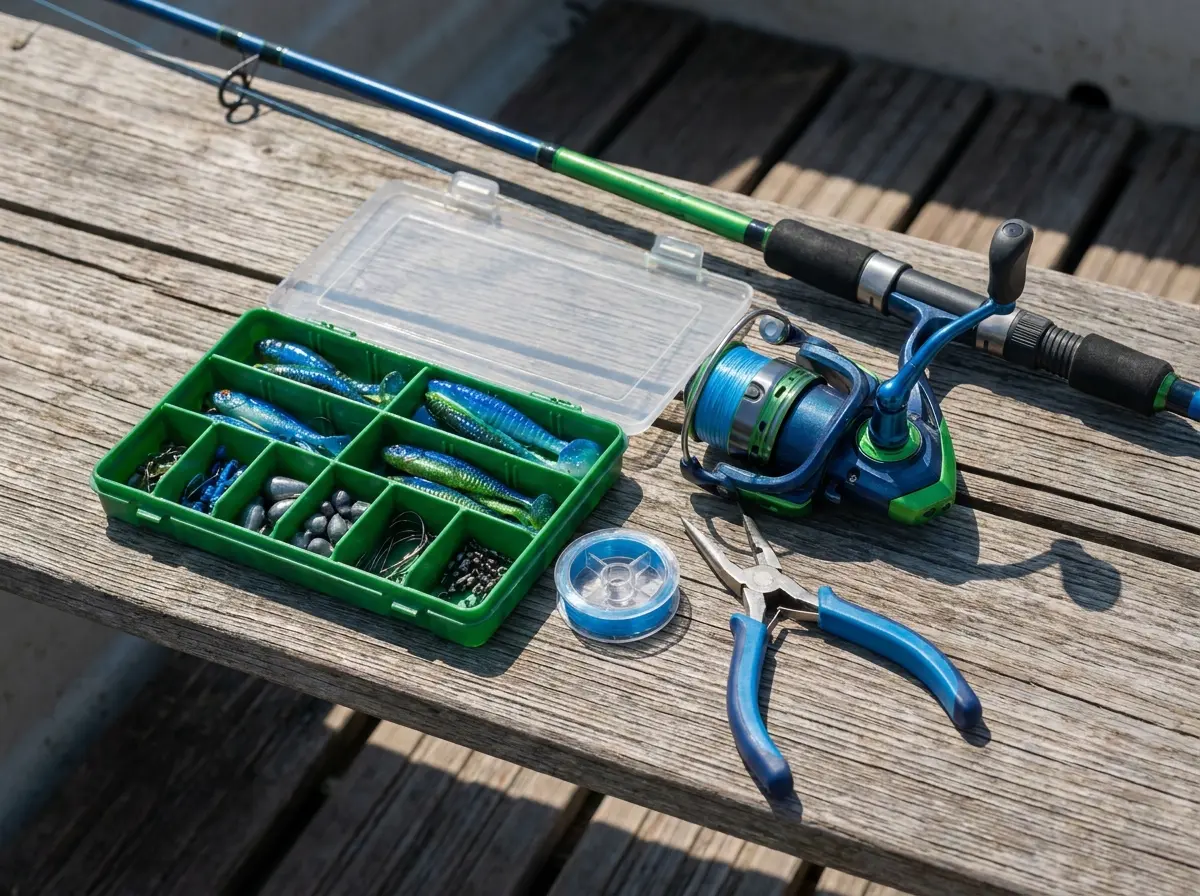
Selecting the right fishing gear dramatically improves your overall success rate on the water this hot season. A sensitive fishing rod allows you to feel the lightest bites from lethargic summer crappie holding deep. Most experts recommend a lightweight spinning rod paired with a smooth drag system for optimal casting performance.
Your choice of terminal tackle also dictates how naturally your bait presents itself to wary, pressured fish. A lightweight jig head, typically around 1/16 or 1/8 ounce, works perfectly for casting and retrieving. Spooling your reel with four to six-pound test fluorocarbon line increases your bite ratio significantly in clear water.
While traditional spinning gear dominates, some anglers find incredible success with creative fishing tips and alternative methods. You can absolutely use fly fishing techniques to target suspended schools near the surface at early dawn. Throwing small streamers on a sinking line provides a fun challenge for avid fly fishing enthusiasts everywhere.
Modern kayak fishing allows you to stealthily approach spooky schools without the disruptive noise of an outboard engine. You can quietly maneuver over deep brush piles and drop your baits directly on their heads. This stealthy approach often results in heavier stringers on lakes with exceptionally high recreational boat traffic.
Effective Crappie Fishing Techniques for Summer Crappies
How to Spider Rig for Suspended Fish
Locate the Deep Schools
Use your side-imaging sonar to find baitfish clouds and predator fish holding near main lake points.
Deploy Your Trolling Motor
Set your trolling motor to a very slow speed, typically between 0.3 and 0.5 miles per hour.
Stagger Your Bait Depths
Set your rods at varying depths to figure out exactly where the active fish prefer to feed.
Live Bait vs. Artificial Lures: Choosing Your Terminal Tackle
Choosing between live bait and artificial options often determines your daily success when targeting summer crappies on the local lake. Many traditionalists swear by live bait when targeting lethargic water fish suspended in deep, open water. Rigging a live minnow on a simple hook provides a natural profile that wary fish cannot resist.
Artificial lures offer distinct advantages for anglers who prefer covering water quickly and efficiently all day. Small plastic swimbaits paired with a heavy jig allow you to probe deep brush aggressively. You do not have to re-bait your hook after every single missed strike from a small fish.
Carrying both options gives you the necessary flexibility to adapt to changing moods and weather conditions. You can start your morning throwing hard baits to locate active, aggressive fish feeding heavily. If the bite slows down by midday, switch to minnows or smaller hard baits to coax strikes from neutral fish.
Learning from Multi-Species Freshwater Angling Media: Single Issue Insights
Staying updated on the latest trends improves your overall success rate on local bodies of water. The multi-species freshwater angling community constantly introduces new tactics and advanced fishing gear for serious anglers. You can learn valuable fishing tips and freshwater angling secrets by consuming high-quality content from established industry veterans.
For instance, reading an informative article by cory schmidt can completely change your analytical perspective on fish movement. Publications covering everything from winter ice fishing to summer trolling offer vast knowledge for eager readers. If you buy single copies at the store, you gain immediate access to premium main content.
Dedicated readers often prefer a magazine subscribe option to receive the publication delivered directly every month. Online subscribers click through digital archives to find specific articles about late summer weather patterns. A good podcast listen during your morning commute keeps your mind focused strictly on advanced fishing strategies.
Enjoying an in-fisherman storyline podcast listen while driving provides detailed breakdowns of specific techniques and seasonal movements. Any standard storyline podcast listen features expert interviews that simplify complex biological patterns for average anglers. You can catch these important seasonal updates on in-fisherman tv or by reading digital publication archives.
Expanding your knowledge beyond a single species often yields surprising benefits for your targeted panfish strategies. Techniques detailed in an in-fisherman bass guide or a standard bass guide frequently translate incredibly well to deep water panfish. Learning how an in-fisherman bass professional reads electronics helps you find isolated, deep brush piles quickly.
Even strategies from an in-fisherman walleye guide or a standard in-fisherman walleye professional apply directly to open-water trolling. Professional tournament coverage offers critical clues about what exactly works on highly pressured waters during extreme summer heat. Following the year races and tournament money rankings highlights the most consistent professional performers.
Reading detailed angler profiles reveals the subtle technical adjustments professionals make during extreme weather conditions. Sometimes, a quick internet search search helps you locate specific media episodes or helpful technique tutorials. Whether you want to learn about bass fishing or deep-water panfish, the information exists online.
Keep your personal guide loaded with detailed notes from these various educational media sources. Mastering North America’s multi-species freshwater opportunities requires constant learning and adaptation to changing environmental conditions. Studying an in-fisherman storyline feature while rigging your tackle prepares you for ultimate success.
- Consuming multi-species content provides new tactics that translate well to crappie fishing.
- Podcasts and digital archives offer deep technical breakdowns of seasonal fish movements.
- Techniques used by professional bass and walleye anglers often apply to deep-water panfish.
Seasonal Transitions: Preparing for Fall and Ice Fishing
As late summer fades, fish begin migrating back to shallower bays to feed heavily before winter. Understanding this transition helps you stay on the fish as water temperatures finally start dropping. These same water fish you chased in thirty feet of water will soon hunt near the surface.
Summer techniques often lay the necessary groundwork for consistent winter success on the same lakes. The deep brush piles you locate in August frequently become prime ice fishing spots in January. Marking these valuable waypoints now saves you significant time when the lakes finally freeze over.
Preparing your equipment early keeps you perfectly ready for the upcoming hard water season. An angler who loves ice fishing knows that maintaining equipment prevents breakdowns in freezing weather. You can transition your lightweight spinning rod directly to your winter setup with minimal effort.
Conclusion: Mastering Summer Crappie Fishing
Catching these popular panfish during the hottest months requires extreme patience and technical precision. You must rely heavily on your electronics to locate deep structures and suspended schools of fish. Presenting your baits at the exact proper depth dictates your overall crappie fishing success rate.
Do not let the intense summer heat keep you off the water this current season. Armed with the right fishing gear and knowledge, you can