
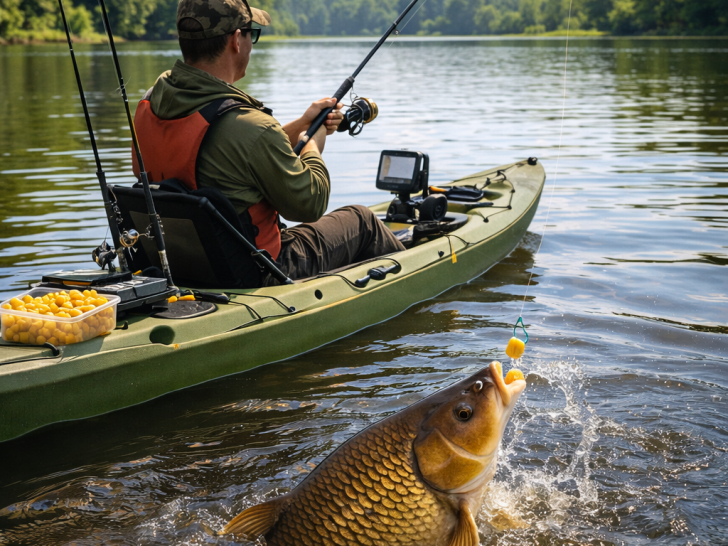
Successful carp fishing requires patience, careful strategy, and selecting the right carp bait for specific water conditions. Many anglers completely overlook one of the most effective and accessible baits available at any local grocery store. Learning how to catch carp with corn transforms a simple fishing trip into a highly successful and productive outing.
This bright yellow kernel offers a perfect combination of visual appeal, strong scent, and incredibly satisfying texture. Carp possess highly developed sensory organs that detect amino acids and sugars dissolved rapidly in the surrounding water. Sweet corn for carp releases these powerful attractants quickly, drawing curious fish from considerable distances across a lake or river.
Why Sweet Corn for Carp Fishing Works So Well
The Sensory Appeal of Sweet Corn for Carp
Carp forage heavily by sight and scent within their murky underwater environments across various United States waterways. The bright yellow appearance of sweet corn stands out vividly against dark mud or weed-covered lake bottoms. This extreme high visibility grabs the attention of passing fish almost immediately as they cruise through the shallows.
Sweet corn packs a massive punch of natural sugars and sodium that feeding carp find absolutely irresistible. As the kernels sit submerged in the water, they leak a steady stream of highly attractive amino acids. These potent chemical signals trigger a powerful feeding response in any fish swimming within the immediate vicinity.
Cost-Effectiveness and Availability
With corn, you get an inexpensive bait that mimics their natural food sources while providing a concentrated burst of flavor. This perfect combination of visual attraction and chemical stimulation makes fishing for carp with corn an exceptionally reliable choice for modern anglers.
Purchasing expensive, specialized baits often deters beginners from trying their luck at catching these incredibly strong freshwater fish. A single can of generic canned corn for carp costs less than a dollar and lasts an entire fishing session. You can easily keep several cans stored in your tackle box without worrying about them spoiling over time.
- Sweet corn for carp fishing provides high visual contrast against dark lake bottoms to attract passing fish quickly.
- The natural sugars and amino acids in corn trigger aggressive feeding responses in nearby carp.
- Canned corn for carp offers an incredibly cheap and accessible alternative to expensive commercial fishing baits.
Canned Corn vs. Feed Corn
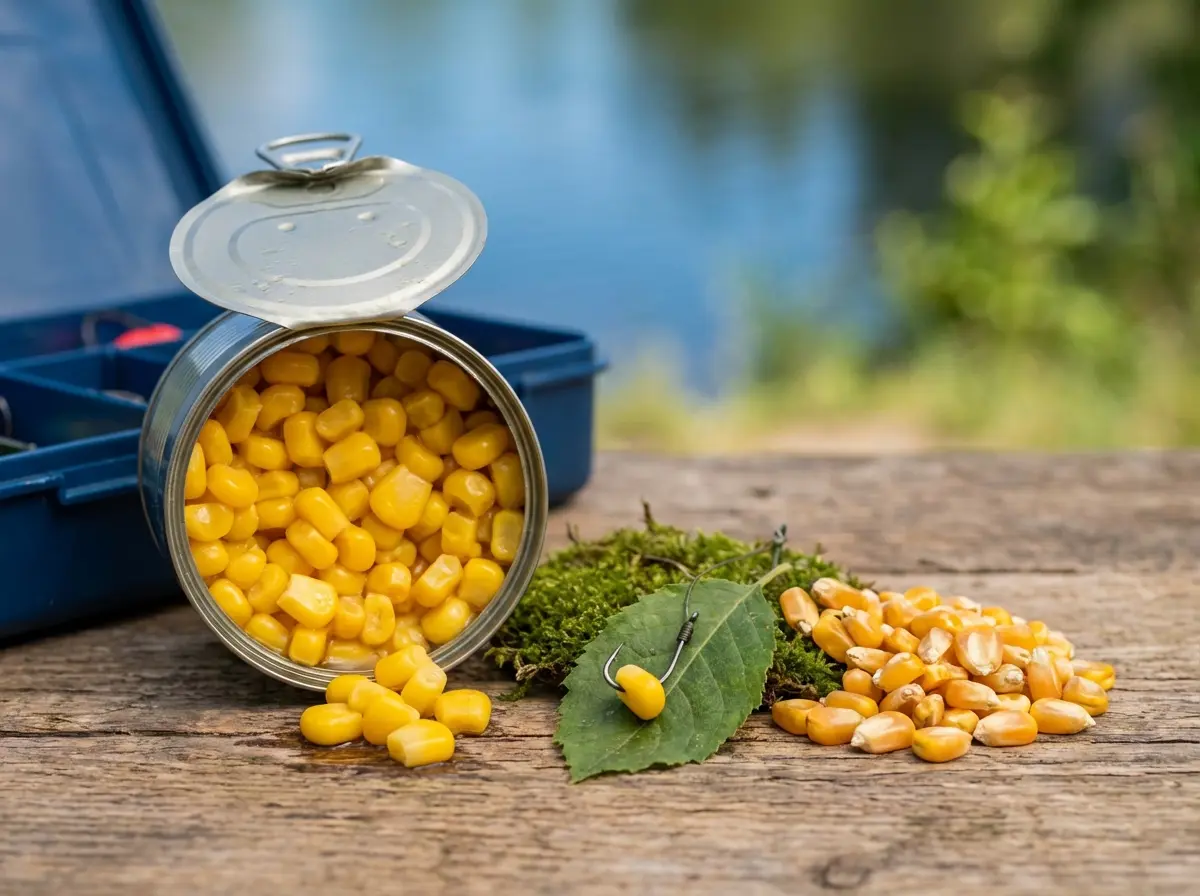
Not all corn varieties yield the same results during a typical freshwater fishing session. Standard canned sweet corn represents the gold standard for generating immediate action on the riverbank. The soft texture allows sharp fishing hooks to penetrate easily, resulting in significantly better overall hookup ratios.
Field corn, sometimes referred to as feed corn, offers a much cheaper alternative for heavy pre-baiting campaigns. You must always boil and prepare this hard field corn properly before introducing it to the water. Uncooked dry corn expands rapidly inside the sensitive stomach of a carp after they accidentally consume it.
Always soak hard field corn in water for twenty-four hours before boiling it for thirty continuous minutes. This softening process makes the bait safe for carp to digest and releases highly attractive natural starches.
Artificial Corn Options
Artificial floating corn provides another excellent option to perfectly balance your presentation over soft mud or weeds. These durable plastic baits look exactly like real kernels but feature built-in buoyancy to lift your hook. A highly buoyant bait prevents your fishing rig from sinking out of sight into the bottom debris.
Many artificial corn brands actively infuse their plastic baits with strong commercial flavors and liquid attractants. These powerful chemical scents leak into the surrounding water slowly over a much longer period of time. You can easily leave an artificial kernel in the water for hours without losing its structural integrity.
How to Catch Carp with Corn: Effective Rigging Methods
Direct Hooking Methods
Presenting your bait naturally increases the chances of a wary carp picking it up without hesitation. Threading corn directly onto the hook works perfectly fine for smaller fish or highly aggressive feeding situations. You simply push the sharp hook point directly through the firm center of two or three kernels.
Always leave the very tip of the hook exposed to guarantee a solid hookset during the bite. Burying the hook point completely inside the corn frequently results in missed fish and intense angler frustration. A size six or eight wide-gap hook holds multiple kernels perfectly while remaining hidden from cautious eyes.
The Basic Hair Rig Setup
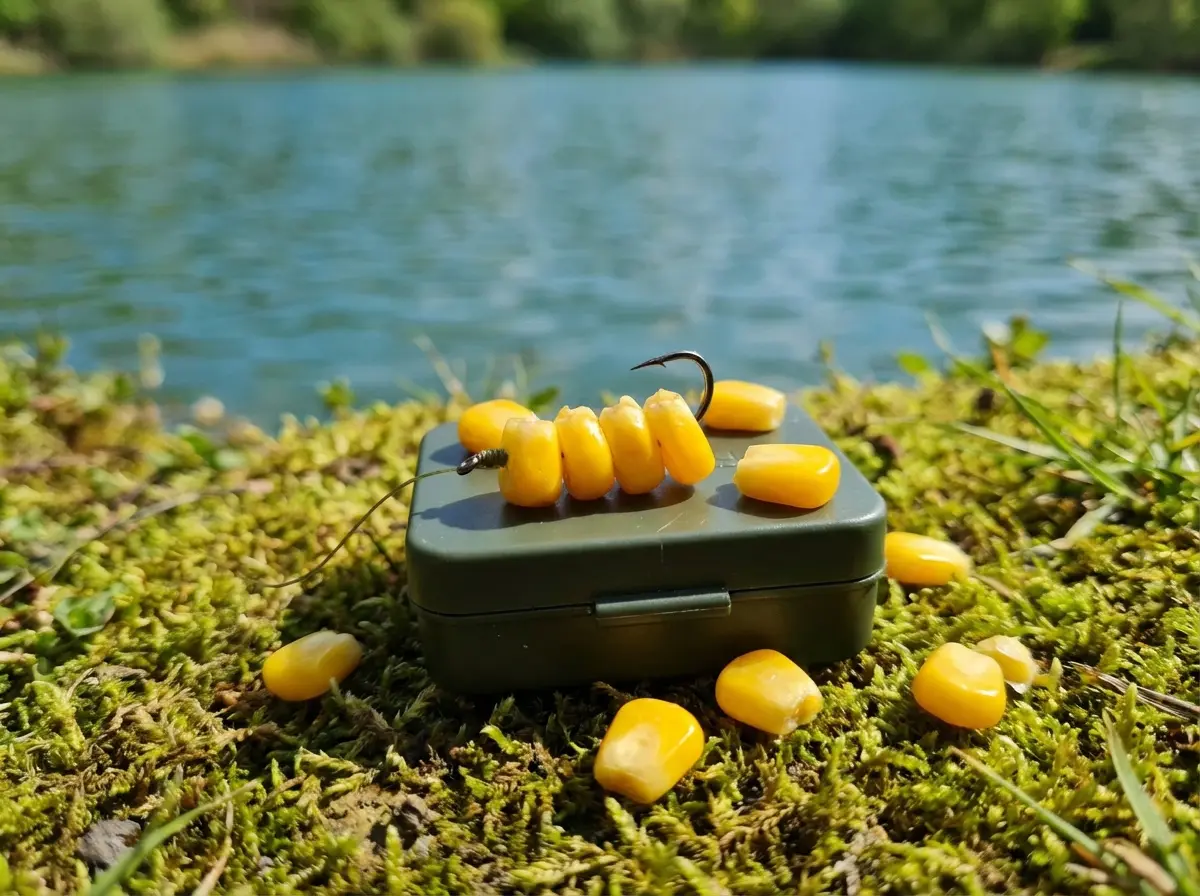
Advanced anglers overwhelmingly prefer using a hair rig for carp to present their sweet corn much more effectively underwater. A hair rig setup leaves the hook completely bare, suspending the bait on a small loop just below. Carp naturally feed by sucking in food items and violently blowing out debris they do not want.
When they suck in the corn on a hair rig, the bare hook follows directly behind it. As the fish attempts to spit the bait out, the exposed hook catches inside their bottom lip. This specific mechanical action produces incredibly secure hookholds that rarely pull free during a long, heavy fight.
How to Tie a Basic Hair Rig for Corn
Tie the Hair Loop
Start by tying a small overhand loop at the very end of your chosen braided hooklink material. This small loop will eventually hold the plastic bait stop that securely keeps your corn in place.
Thread the Hook
Pass the other end of the hooklink through the eye of your carp hook from the back. Adjust the length of the hair so your stacked corn sits just below the actual hook bend.
Secure the Knotless Knot
Wrap the line tightly around the shank of the hook seven times while moving in a downward direction. Pass the line back through the eye from the back to the front to finish the knot.
Pre-Baiting Your Swim
Putting a single piece of corn in a massive lake rarely produces consistent results for eager anglers. You need to create an active feeding zone that draws carp into your specific area over time. Throwing a few handfuls of sweet corn directly around your hookbait establishes an attractive bed of food.
This practice, commonly known as chumming for carp or pre-baiting, builds immense confidence in the fish as they feed. They begin vacuuming up the free offerings without suspicion until they eventually suck up your hidden hook. Pre-baiting a specific spot for several days before you actually fish often yields truly spectacular catch rates.
Do not throw massive amounts of corn into cold water during the freezing winter months. Carp metabolisms slow down significantly, and uneaten bait will rot on the bottom, damaging local water quality.
Pack Baits and Method Feeders
Pack baits offer another highly effective method for delivering free offerings directly next to your hook presentation. You combine quick oats, creamed corn, and breadcrumbs into a sticky mixture that molds around your sinker. The pack bait breaks down quickly underwater, leaving a tempting pile of food right over your rig.
Adding whole kernels of sweet corn into your pack bait mix creates a cohesive and logical presentation. The fish break apart the oatmeal ball and happily consume the corn that’s hiding your hook.
Best Times and Locations for Carp Fishing with Corn
Seasonal Patterns in the United States
Understanding exactly where and when carp feed can improve your overall catch rate. Spring and early summer provide excellent fishing opportunities as the water warms rapidly across the United States. Fish move into shallow bays and flats to feed aggressively before their annual spawning period officially begins.
Early mornings and late evenings typically produce the most consistent action during the intensely hot summer months. Carp often retreat to deeper, cooler water during the midday heat when the sun shines the brightest. Catching them on corn remains highly possible during the winter if you locate their deep holding areas.
Identifying Prime Carp Habitat
You should carefully look for areas with natural cover like overhanging trees, lily pads, or submerged timber. Carp frequently patrol the edges of these physical structures looking for snails, insects, and other natural food. Muddy water or large bubbles rising to the surface frequently indicate actively feeding fish rooting around below.
Casting your corn directly into these active zones usually results in a surprisingly quick and aggressive bite. Pay close attention to wind direction because strong breezes often push warm surface water toward specific shorelines. Carp naturally follow these warm wind currents because they collect natural food particles against the muddy banks.
- Focus your carp fishing tips during early mornings and late evenings during the hot summer months.
- Look for natural structures like lily pads and overhanging trees where carp naturally patrol for food.
- Cast your rigged corn directly into areas showing muddy water or rising bubbles from feeding fish.
Conclusion
Mastering how to catch carp with corn opens up exciting new opportunities for anglers of all skill levels. This simple carp bait provides an unbeatable combination of extreme affordability, widespread accessibility, and sheer fish-catching effectiveness. You can easily purchase a few cheap cans of canned corn at the grocery store and immediately head to the local lake.
Proper rigging techniques and strategic feeding methods increase your overall odds of landing a truly heavy fish. Attention to detail regarding your hook size