
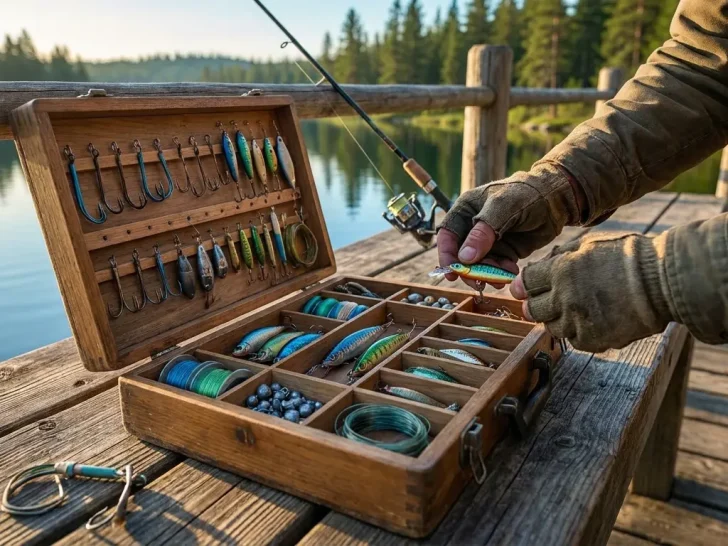
Every angler knows the frustration of opening a cluttered tackle box right as the perfect bite starts during a long-awaited fishing adventure. Learning how to organize fishing gear effectively is the hallmark of a seasoned angler who values their time on the water and the quality of their essential gear. Tangled lines, rusted hooks, and misplaced lures will cost you valuable time on the water, often leading to missed opportunities when the fish are most active. Taking the time to properly sort your fishing gear transforms chaotic outings into highly productive experiences that allow you to focus entirely on the catch. The psychological benefit of a clean workspace cannot be overstated, as it fosters a sense of preparedness and confidence that translates directly into better decision-making while catching fish.
Modern equipment costs a significant amount of money, so protecting your investment through proper storage makes financial sense for any serious hobbyist. We will break down practical methods to arrange your equipment for maximum efficiency and longevity, ensuring your organized tackle remains in peak condition for years. Implementing a structured system for your fishing tackle pays dividends every time you launch your boat or head to your favorite fishing spots. By following these fishing tips, you can ensure that your next trip is defined by tight lines rather than tangled messes. Furthermore, a well-maintained system allows you to perform a quick inventory check before leaving the house, ensuring you never arrive at the dock without critical artificial lures or terminal tackle.
The evolution of tackle organization has moved far beyond the simple metal boxes of the past, embracing modularity and specialized materials. Today’s anglers must manage a complex array of soft plastics, high-tech electronics, and sensitive fishing rods, all of which require specific handling. When you commit to properly organizing your kit, you are not just cleaning; you are optimizing your workflow for the specific demands of your target species. Whether you are preparing for a successful fishing trip in the backcountry or a competitive tournament, the way you gear organize your supplies will be a determining factor in your overall performance and enjoyment of the sport.
Throwing random items into a duffel bag rarely leads to a successful fishing trip, especially when you are chasing specific species based on the latest fishing reports. When you keep your fishing gear organized, you spend more time casting and less time searching for that one specific tackle type. Finding the right lure instantly saves time during critical moments on the water, such as when a school of fish is surfacing nearby. A systematic approach to gear organize routines ensures that you are always prepared for changing weather conditions or shifting fish behavior. Professional guides often spend hours off the water organizing terminal tackle to ensure that every second on the clock is spent with a line in the water.
Proper arrangement also increases efficiency by keeping your most productive tools within easy access of your primary fishing position. Properly organizing terminal tackle directly impacts your overall success rate on the lake, as it allows for faster rig changes and less downtime. Damaged hooks and melted soft plastic lures happen constantly when items sit crammed together in hot conditions without adequate ventilation. By prioritizing tackle organization, you create a workflow that mimics the precision of a professional guide, allowing for a more relaxing and fruitful day. This level of preparedness is what separates the occasional hobbyist from the consistently successful fishing enthusiast who always seems to find the bite.
Good organization prevents damage and protects your expensive investment from the harsh outdoor elements like UV rays and saltwater corrosion. You will notice a major difference in catching fish once you stop struggling with your tackle box and start focusing on the presentation of your artificial lures. Whether you are preparing for fishing trips across the country or a quick afternoon at a local pond, a tidy kit is your best asset. Consistency in how you store your fishing tackle leads to muscle memory, making you a faster and more effective angler in the long run. When the sun is setting and the “golden hour” begins, you cannot afford to be untangling a bird’s nest of metal lures in the bottom of your tackle bag.
Furthermore, an organized tackle system allows for better financial management of your hobby by preventing duplicate purchases of items you already own but cannot find. Many anglers discover they have three sets of the same creature baits simply because the first two were buried under a pile of utility trays. By maintaining proper storage, you can clearly see what needs to be replenished before your next fishing adventure. This proactive approach ensures that your essential gear is always ready, reducing the stress of last-minute trips to the bait shop. Ultimately, knowing how to organize fishing gear is about maximizing your enjoyment and minimizing the logistical hurdles that can dampen the spirit of the sport.
Selecting the Right Tackle Boxes and Modern Storage Solutions
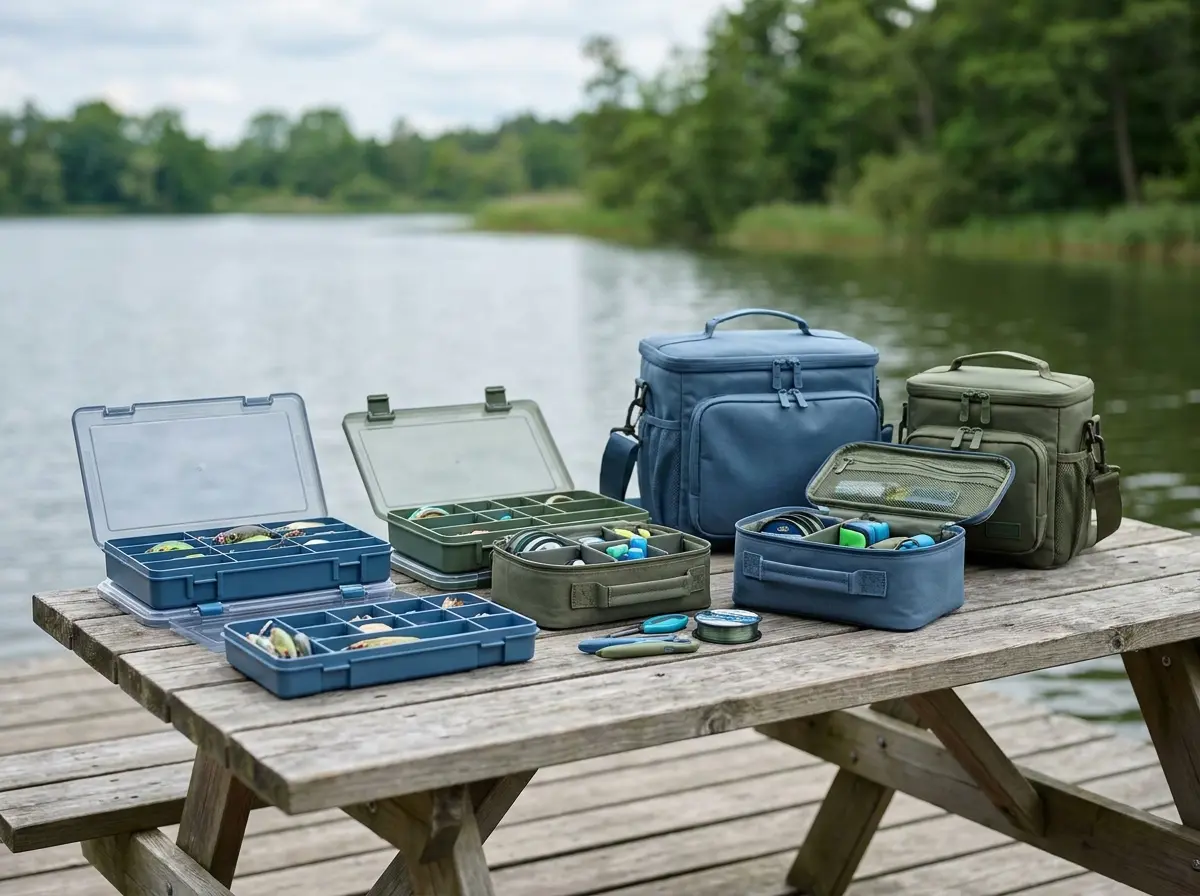
Selecting the appropriate tackle box or tackle bag is the foundation of a successful organizational strategy for any angler. Many modern anglers prefer using modular utility trays that can be swapped in and out of a larger tackle bag depending on the target species. These utility boxes come in various sizes, often categorized by the “3600” or “3700” standard, which helps in maintaining a uniform tackle storage system. Having a dedicated tackle tray for different environments ensures that you never carry more weight than necessary during your fishing adventure. High-quality storage solutions often include rust-inhibiting technology built directly into the plastic, providing an extra layer of protection for your terminal tackle.
For those who enjoy kayak fishing, space is at a premium, making compact tackle boxes and waterproof utility trays essential for survival on the water. A high-quality tackle bag often features multiple pockets for tools like pliers, line cutters, and extra spools of leader material. If you are heading out for saltwater fishing, look for tackle bags with corrosion-resistant zippers and heavy-duty materials that can withstand the salt spray. Choosing the right tackle boxes involves balancing the amount of fishing tackle you own with the portability required for your specific fishing style. Many kayak fishing enthusiasts utilize crate systems that hold multiple utility boxes vertically for easy access behind the seat.
Hard-sided tackle boxes offer superior protection for delicate hard baits and metal lures, preventing them from being crushed during transport. Conversely, soft-sided tackle bags are often more comfortable to carry over long distances when hiking to remote fishing spots. Consider using clear utility boxes so you can identify the contents at a glance without having to open every lid in your tackle storage system. This level of visibility is crucial when the bite is fast and you need to switch from creature baits to topwater plugs in seconds. Additionally, some tackle trays feature customizable dividers, allowing you to tailor the space to the exact dimensions of your artificial lures.
When evaluating storage solutions, consider the environment where you spend the most time, as ice fishing requires different durability than inshore fishing in the tropics. For ice fishing, you need containers that won’t become brittle in sub-zero temperatures, while saltwater fishing demands gaskets that keep corrosive air out. Investing in a heavy-duty tackle bag with a molded waterproof base can prevent moisture from seeping in when the bag is placed on a wet boat deck. By matching your tackle boxes to your specific environment, you ensure that your fishing gear remains protected regardless of the weather. A well-chosen tackle storage system is an investment that pays for itself by extending the lifespan of your most expensive hard baits.
Systematic Sorting and Categorizing Your Artificials and Soft Plastics
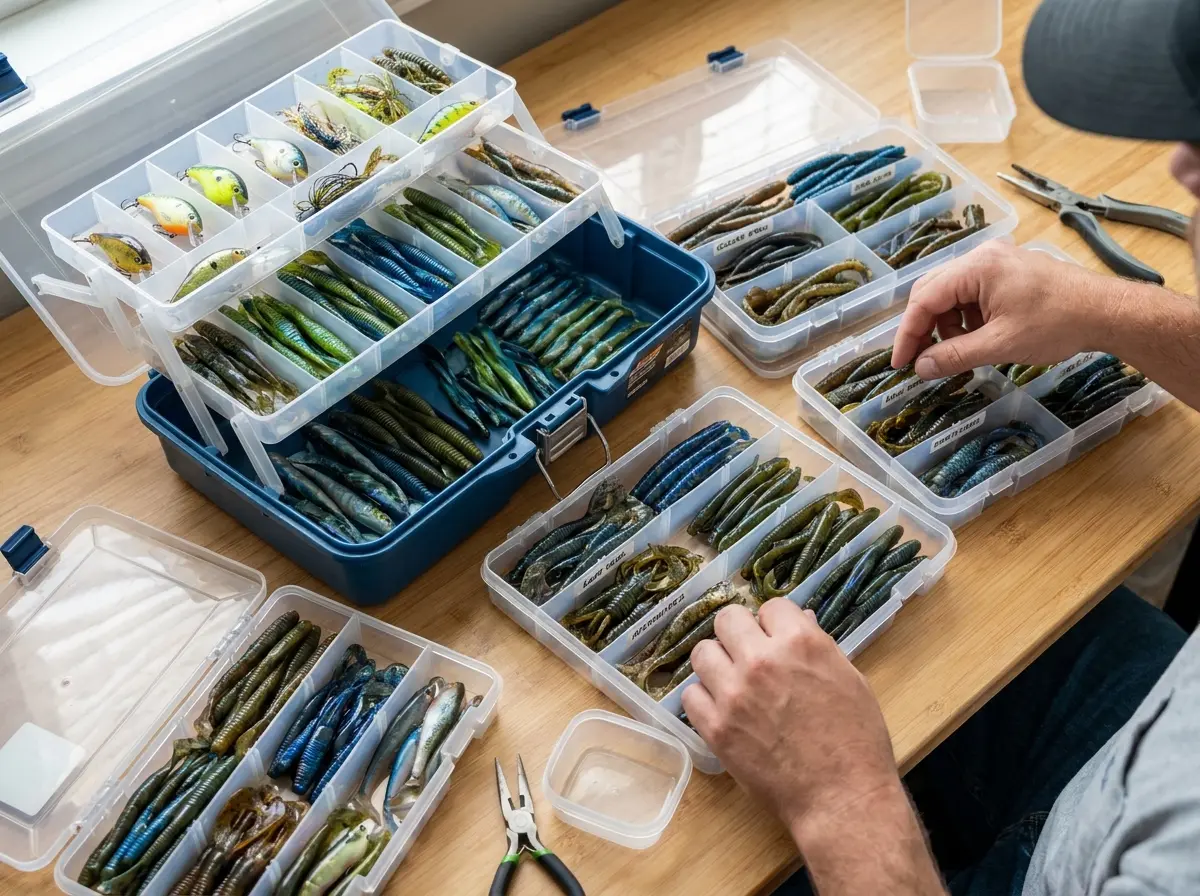
One of the biggest challenges in how to organize fishing gear is managing the vast array of soft plastics that anglers accumulate over time. It is vital to keep each soft plastic brand or type in its original packaging to prevent chemical reactions that can melt the baits together. Storing your soft plastic lures in specialized binders or deep utility boxes allows you to flip through your collection like a library. This method is particularly effective for gulp baits, which must remain submerged in their scented liquid to maintain their effectiveness and shape. Many professional anglers use clear storage bags to group their soft plastics by color or style, such as “craws” or “finesse worms,” for rapid identification.
When organizing terminal components, use small, compartmentalized tackle trays to separate hooks, weights, and swivels by size and style. Terminal tackle is often the most difficult to keep sorted, yet it is the most critical for presenting your artificial lures correctly. Labeling each section of your tackle tray with the weight or hook size can save you from second-guessing yourself while rigging up in low-light conditions. A well-organized tackle box for terminal tackle ensures that you always have the right jig head or sinker for the current water depth. Using foam inserts for pre-tied rigs can also prevents damage to delicate leaders and keeps them from tangling with other essential gear.
For hard baits, consider using “crankbait organizers” that feature individual slots to prevent treble hooks from tangling with one another. Metal lures like spoons and jigs should be kept in a dry environment to prevent rust, which can quickly spread to other items in your fishing tackle collection. Grouping your soft plastics by color and action—such as worms, craws, and swimbaits—makes it easier to find the right profile for the day’s conditions. This systematic approach to tackle organization ensures that every piece of essential gear has a dedicated home. Furthermore, separating your creature baits from your standard worms prevents the salt and scents from bleeding into different styles of soft plastic.
Advanced tackle organization also involves rotating your stock based on the season, as the artificial lures you use in the spring will differ from those in the winter. By keeping a “seasonal” tackle tray at the top of your tackle bag, you ensure that the most relevant tools are always within easy access. This method of properly organizing your gear reduces the clutter of irrelevant lures that only serve to distract you during a fishing trip. Whether you are dealing with soft plastics or heavy metal lures, the goal is to create a logical flow that matches your fishing style. A meticulously organized tackle system is the secret weapon of many tournament pros who need to make split-second adjustments to their presentation.
Developing Specialized Setups for Diverse Fishing Styles
Every fishing discipline requires a unique approach to how to organize fishing gear to ensure maximum effectiveness on the water. For instance, fly fishing enthusiasts often use small, pocket-sized fly boxes that fit into a vest, prioritizing mobility over sheer volume. In contrast, ice fishing requires specialized tackle boxes that can withstand freezing temperatures without becoming brittle or cracking. If you are focused on inshore fishing, your tackle bag might contain a mix of soft plastics and heavy-duty terminal tackle for battling larger species. Understanding the specific needs of your environment allows you to refine your tackle organization for peak performance.
Anglers who utilize a fishing kayak must be extremely disciplined with their tackle organization, often using crates or specialized mounting systems. In a fishing kayak, every inch of space matters, so multi-functional utility trays that can hold both lures and tools are highly prized. For those who enjoy saltwater fishing, rinsing your fishing tackle with fresh water after every trip is a non-negotiable part of the organization process. Keeping a dedicated “saltwater kit” separate from your freshwater fishing gear prevents cross-contamination and accidental rusting of sensitive components. Kayak fishing also necessitates the use of leashes for your fishing rods and tackle boxes to prevent loss in the event of a capsize.
If you frequently participate in different types of fishing trips, consider creating “grab-and-go” utility boxes for specific species like bass, trout, or panfish. This allows you to quickly grab the necessary tackle box for the day without having to reorganize your entire collection every time. Kayak fishing setups often benefit from tethering tackle boxes to the vessel to prevent loss in the event of a tip-over. No matter the style, the goal remains the same: creating a system that provides easy access to the tools you need when the pressure is on. For fly fishing, this might mean a magnetic patch on your vest for drying flies, while for inshore fishing, it means a dedicated bucket for live bait aerators.
Furthermore, specialized setups should account for the transport of fishing rods, which are often the most fragile part of your essential gear. Using rod socks and transport tubes can prevent damage during long fishing trips to remote fishing spots. When organizing terminal gear for specific styles like surf fishing, consider using large-format utility trays that can handle heavy pyramid sinkers and long leaders. By tailoring your tackle storage to the specific nuances of your chosen method, you increase efficiency and reduce the likelihood of equipment failure. A well-prepared angler is ready for any fishing adventure, whether it involves a quiet stream or the open ocean.
Avoiding Common Tackle Organization Mistakes for Better Results
One of the most common mistakes in tackle organization is overpacking, which leads to a heavy tackle bag and unnecessary clutter. Many anglers feel the need to bring every piece of fishing tackle they own, but this often results in “analysis paralysis” when choosing a lure. Another frequent error is failing to dry out artificial lures before putting them back into a sealed tackle box, which traps moisture and causes rust. Always leave your utility trays open for a few hours after a trip to ensure all components are completely dry before proper storage. This simple step saves time and money by preventing the premature degradation of your expensive hard baits.
Mixing different types of soft plastic materials can lead to a chemical reaction that ruins an entire tackle tray of baits. Some soft plastics are made from materials that react poorly with standard PVC, causing them to melt or become “gooey” over time. Additionally, neglecting to check your terminal tackle for dull hooks or frayed line can lead to lost fish during your next fishing adventure. Avoid the temptation to use a single large tackle box for everything; instead, use modular utility boxes to keep your fishing gear manageable and light. Properly organizing your gear means being selective about what actually earns a spot in your tackle bag for the day.
Failing to label your tackle boxes is another mistake that can slow you down when you are searching for a specific tackle type. A simple piece of tape or a permanent marker can help you identify which tackle tray contains your deep divers versus your topwater lures. Furthermore, ignoring the condition of your fishing rods and reels while focusing only on lures is a recipe for equipment failure. Proper tackle storage should encompass your entire kit, ensuring that every piece of essential fishing gear is ready for action at a moment’s notice. Don’t let a disorganized tackle box be the reason you miss the catch of a lifetime during a successful fishing trip.
Another overlooked mistake is the “junk drawer” effect, where one utility tray becomes a catch-all for miscellaneous items like broken lures, old line, and rusted pliers. This clutter quickly spreads, making it impossible to maintain easy access to your essential gear. Periodically auditing your fishing tackle to remove unusable items is a vital part of how to organize fishing gear effectively. By keeping your tackle storage lean and functional, you ensure that every item you reach for is in working order. Remember, tackle organization is not a one-time event but a continuous habit that defines a truly prepared and successful fishing enthusiast.
Maintaining Your Setup and Fishing Rods for Long-Term Performance
Organization doesn’t end with the lures; maintaining your fishing rods is a critical component of how to organize fishing gear. Store your fishing rods in vertical or horizontal racks to prevent them from leaning and developing a permanent “set” or bend in the blank. Regularly inspecting the guides on your fishing rods for cracks or chips will prevent line damage that could cost you a trophy fish. A well-maintained rod and reel combo, paired with organized tackle, creates a seamless connection between the angler and the fish. Using a simple Q-tip to check for burrs in the ceramic inserts of your fishing rods is one of those expert fishing tips that can save your line from snapping.
Before heading out on your next trip, take a moment to review your fishing tackle and replace any items that were lost or damaged. Checking your tackle bag for expired scents or leaking attractants will keep your essential gear smelling fresh and functioning correctly. If you have been kayak fishing, ensure that your mounting hardware and rod holders are secure and free of debris. Consistent maintenance is the secret to longevity, ensuring that your fishing gear performs as well on its hundredth trip as it did on its first. Proper storage for reels involves backing off the drag to prevent the washers from compressing and losing their smoothness over time.
Wiping down your tackle boxes and utility trays with a damp cloth can remove salt residue and fish scales that accumulate over time. This simple habit keeps your tackle organization looking professional and prevents the buildup of grime that can jam zippers or latches. For those who enjoy fishing tips regarding gear longevity, applying a light coat of oil to metal pliers and cutters is highly recommended. By treating your fishing tackle with respect, you ensure that it will be ready to perform whenever the next big bite occurs. Don’t forget to check your soft plastics for salt buildup, which can sometimes corrode hooks if they are stored pre-rigged.
Off-season maintenance is equally important for those who live in climates where ice fishing or winter breaks are common. Use this time to deep-clean your tackle bag and reorganize your utility boxes for the upcoming spring season. This is also the perfect opportunity to respool your reels with fresh line, as old line can develop “memory” and lead to tangles. By integrating gear organize routines into your regular schedule, you ensure that your fishing adventure is never sidelined by equipment failure. A dedicated angler knows that the work done at the workbench is just as important as the time spent at the fishing spots.
Final Thoughts on Mastering Your Equipment Management
Mastering how to organize fishing gear is an ongoing process that evolves as you gain more experience and acquire more fishing tackle. Whether you prefer a traditional tackle box or a modern tackle bag, the key is to find a system that works for your specific needs. An organized tackle collection not only saves you money by preventing damage but also enhances your enjoyment of every fishing adventure. By investing a little time into tackle organization today, you are setting yourself up for countless successful fishing days on the water in the future. The peace of mind that comes from a perfectly arranged tackle tray allows you to focus on what truly matters: the thrill of the catch.
Remember that the best gear organize strategy is one that you can realistically maintain throughout a busy fishing season. Don’t be afraid to experiment with different utility trays or tackle storage methods until you find the perfect workflow for your boat or fishing kayak. As you prepare for your upcoming fishing trips, keep these fishing tips in mind to ensure your essential gear is always in top shape. Ultimately, a well-organized angler is a more confident and effective angler, ready to tackle whatever challenges the water may bring. Your commitment to properly organizing your equipment is the first step toward becoming a master of the craft and ensuring every fishing trip is a memorable one.
